

Your Neck Has Been Trying to Tell You Something — Here’s How Reflexology Finally Listens
Your Neck Is Trying to Tell You Something: How Reflexology Finds and Soothes Neck Pain
Key Takeaways
- Reflexology focuses on mapped reflex points to help ease neck pain and support recovery.
- Common reflex points for neck relief include Drilling Bamboo, Shoulder Well, and the Neck Reflex Point.
- Head-related discomfort can be addressed with points like Liver 3, Union Valley, and Yintang.
- Techniques such as thumb pressure and circular massage enhance the effectiveness of reflexology.
- Reflexology can reduce tension, boost circulation, and lower stress—factors that influence neck pain.
- Combining reflexology with therapeutic massage often delivers deeper, longer-lasting relief from tension.
- Adding mindfulness during sessions enhances relaxation and magnifies stress-relief benefits.
- Clients report better overall wellbeing when reflexology and massage are tailored to their needs.
What Are the Key Neck Reflexology Points for Targeted Pain Relief?
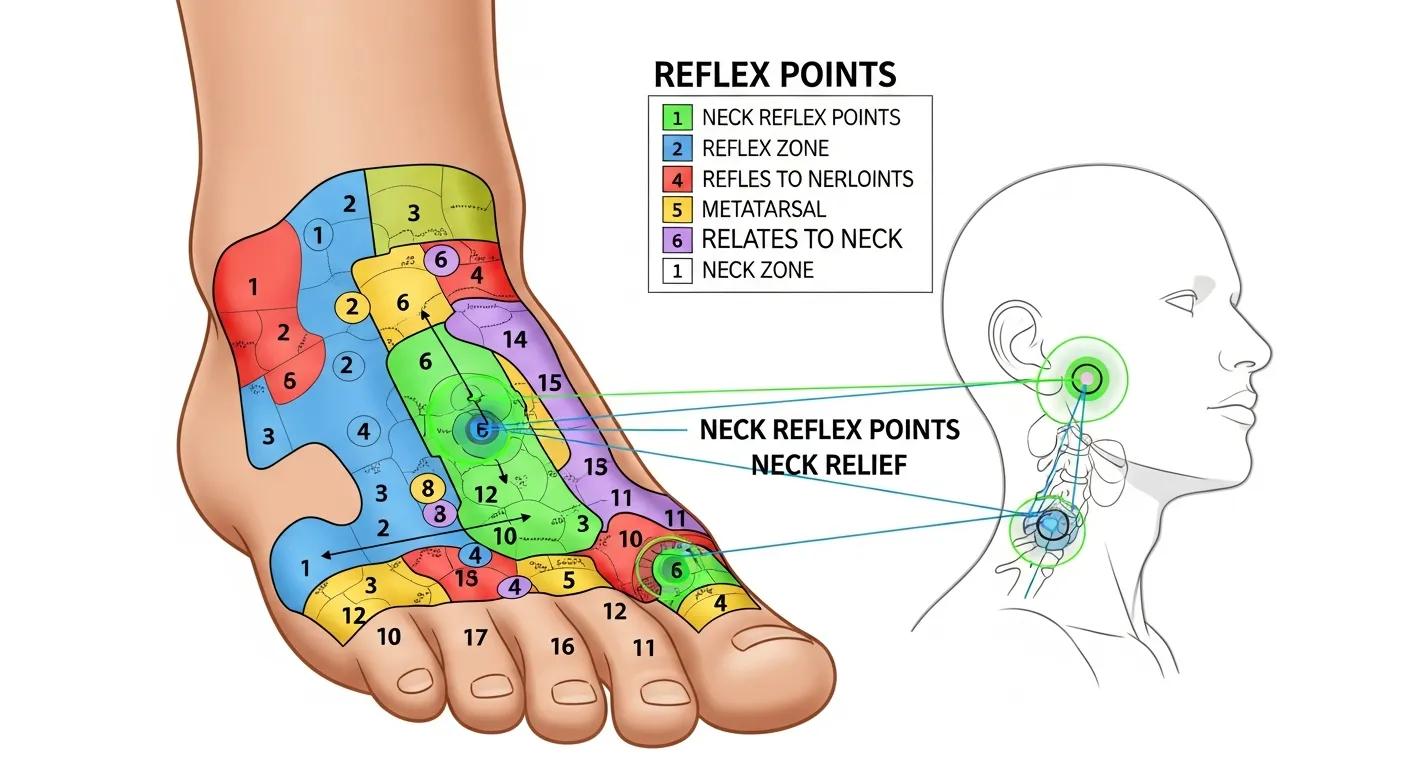
- Drilling Bamboo (GB21): Found at the top of the shoulder, this point is useful for releasing neck stiffness and shoulder tension.
- Shoulder Well (TE15): Located near the shoulder joint, this point helps relieve tightness radiating into the neck.
- Neck Reflex Point (C7): Closely tied to the cervical spine, stimulating this point can help relieve neck pain when done properly.
Which Reflexology Points Correspond to Neck and Head Discomfort?
- Liver 3 (Tai Chong): Known for easing stress and tension that can contribute to headaches.
- Union Valley (LI4): Located between the thumb and index finger, this point is commonly used to reduce head pain.
- Yintang (Hall of Impression): Between the eyebrows, this calming point helps quiet the mind and tension-related headaches.
How Do Reflexology Techniques Stimulate These Points Effectively?
- Thumb Pressing and Tapping: Applying steady thumb pressure to a point, sometimes followed by gentle tapping, to encourage circulation and release.
- Rotational Massage: Using circular motions over a reflex area to promote relaxation and ease tension linked to the corresponding body region.
What Are the Proven Benefits of Reflexology Massage for Neck Pain and Headaches?
- Reduction of Tension: Reflexology helps relieve muscle tightness in the neck and shoulders, often providing immediate comfort.
- Improved Circulation: Stimulating reflex points can enhance blood flow, which supports healing and lessens pain.
- Stress Relief: The practice frequently lowers stress and anxiety, common contributors to neck pain and headaches.
How Does Reflexology Alleviate Neck Pain and Reduce Headache Frequency?
- Reduce Tension: Pressure on reflex points associated with the neck helps relieve muscle tightness and ease pain.
- Enhance Circulation: Better blood flow to the neck region promotes healing and can lower inflammation.
- Stimulate Endorphin Release: Reflexology can encourage endorphin production—the body’s natural pain relievers—reducing perceived pain.
What Scientific Data Supports Reflexology’s Role in Stress Relief?
- Cortisol Reduction: Some studies link reflexology to lower cortisol levels, a hormone associated with stress.
- Endorphin Release: Reflexology may trigger endorphin release, helping clients feel more relaxed and at ease.
How Does Therapeutic Massage Complement Reflexology in Managing Neck Pain?
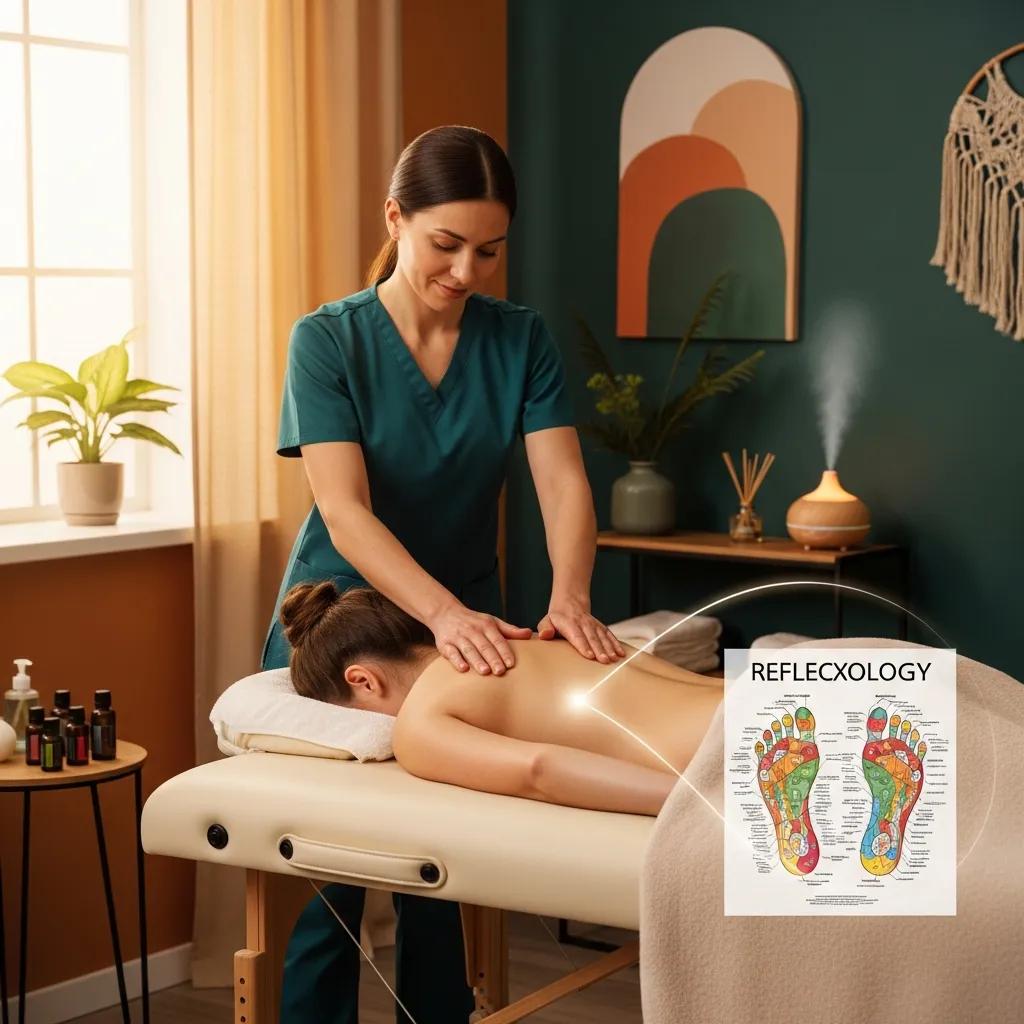
- Enhanced Tension Relief: Reflexology targets mapped reflex areas, while massage treats muscle tissue, providing broader relief.
- Improved Mood: Both therapies encourage relaxation and can positively affect mood and emotional wellbeing.
- Holistic Care: Pairing these approaches addresses both physical and emotional contributors to pain for a more rounded treatment.
What Massage Techniques Enhance Reflexology’s Effectiveness for Neck Pain?
- Webbing Technique: Using the skin between the fingers to apply pressure to reflex areas, which can increase effectiveness.
- Heel Hold Method: Applying steady pressure with the heel of the hand or foot to stimulate reflex zones tied to the neck and upper back.
What Are the Physiological Benefits of Combining Massage and Reflexology?
- Relaxation and Stress Reduction: Together, they promote deep relaxation and help lower stress levels.
- Improved Circulation: Both therapies stimulate blood flow, aiding healing and easing muscle tension.
- Enhanced Pain Relief: Their combined effects can make pain management more effective than either alone.
How Can Mindfulness Integration Enhance Reflexology Outcomes for Neck Discomfort?
- Deeper Relaxation: Mindfulness helps clients reach a quieter state, allowing reflexology to work more effectively.
- Reduced Muscle Tension: Increased awareness helps clients release holding patterns during treatment.
What Is the Role of Mindfulness in Amplifying Reflexology’s Stress Relief Effects?
- Lower Reactivity: Clients often respond less strongly to stressors, improving how they feel day to day.
- Consolidate Relaxation: Mindfulness helps lock in the calm from a session, so the benefits last longer.
How Do Clients Experience Improved Wellbeing Through Combined Therapies?
- Holistic Care: A comprehensive plan that takes overall health into account, not just symptoms.
- Personalized Treatment Plans: Sessions tailored to each person's needs tend to be more effective and better tolerated.
What Are the Practical Steps to Book Reflexology and Therapeutic Massage Services?
- Contact the Clinic: Reach out to Peaceful Warriors Wellness by phone at (727) 822-8866 or by email at lenabroberts@gmail.com to inquire about availability and services.
- Discuss Your Needs: Tell our team about your symptoms and preferences so we can recommend the best session for you.
- Receive Confirmation: Once your appointment is booked, we'll send a confirmation with all the session details.
How to Schedule Personalized Reflexology Sessions for Neck Pain Relief?
- Decide on Session Length: Choose a session time that fits your needs—most people select 30 to 90 minutes, depending on their goals.
- Contact the Center: Reach out to Peaceful Warriors Wellness to book your appointment and share any specific concerns or preferences.
What Pricing and Packages Are Available at Peaceful Warriors Wellness?
- Therapeutic Massage: Sessions are priced from $60 to $140, depending on length and modality.
- Reflexology: Sessions range from $50 for a 30-minute visit up to $140 for a 90-minute session.
Frequently Asked Questions
What should I expect during a reflexology session for neck pain?
How often should I receive reflexology treatments for neck pain?
Can reflexology be used alongside other treatments for neck pain?
Are there any contraindications for reflexology treatments?
How can I enhance the benefits of reflexology at home?
What should I wear to a reflexology session?
Conclusion

Lena Roberts brings over 25 years of hospital-industry experience to her holistic practice as owner and lead therapist at Peaceful Warriors Wellness Center. Blending neuromuscular therapy, myofascial release, reflexology, and hot-stone massage, she delivers personalized treatments that uplift body, mind, and spirit.