Experience Muscle Pain Relief Through Trigger Point Therapy
Move More, Hurt Less: Gentle, Effective Trigger Point therapy
If persistent muscle pain or constant tightness is getting in the way of your day-to-day life,
Trigger point therapy may be the targeted relief you’ve been looking for. This hands-on approach focuses on the tight, sensitive knots in your muscles to ease pain and restore smoother, more comfortable movement. At Peaceful Warriors Wellness Center in St. Petersburg, FL, our experienced therapists deliver thoughtful, personalized care to help you feel better and enjoy life again.
How Triggler’s Point therapy helps
Trigger point therapy works directly on muscle knots—known as trigger points- that form from overuse, injury, or chronic stress. These tight spots can cause localized pain or radiate to other areas, commonly affecting the neck, shoulders, and back.
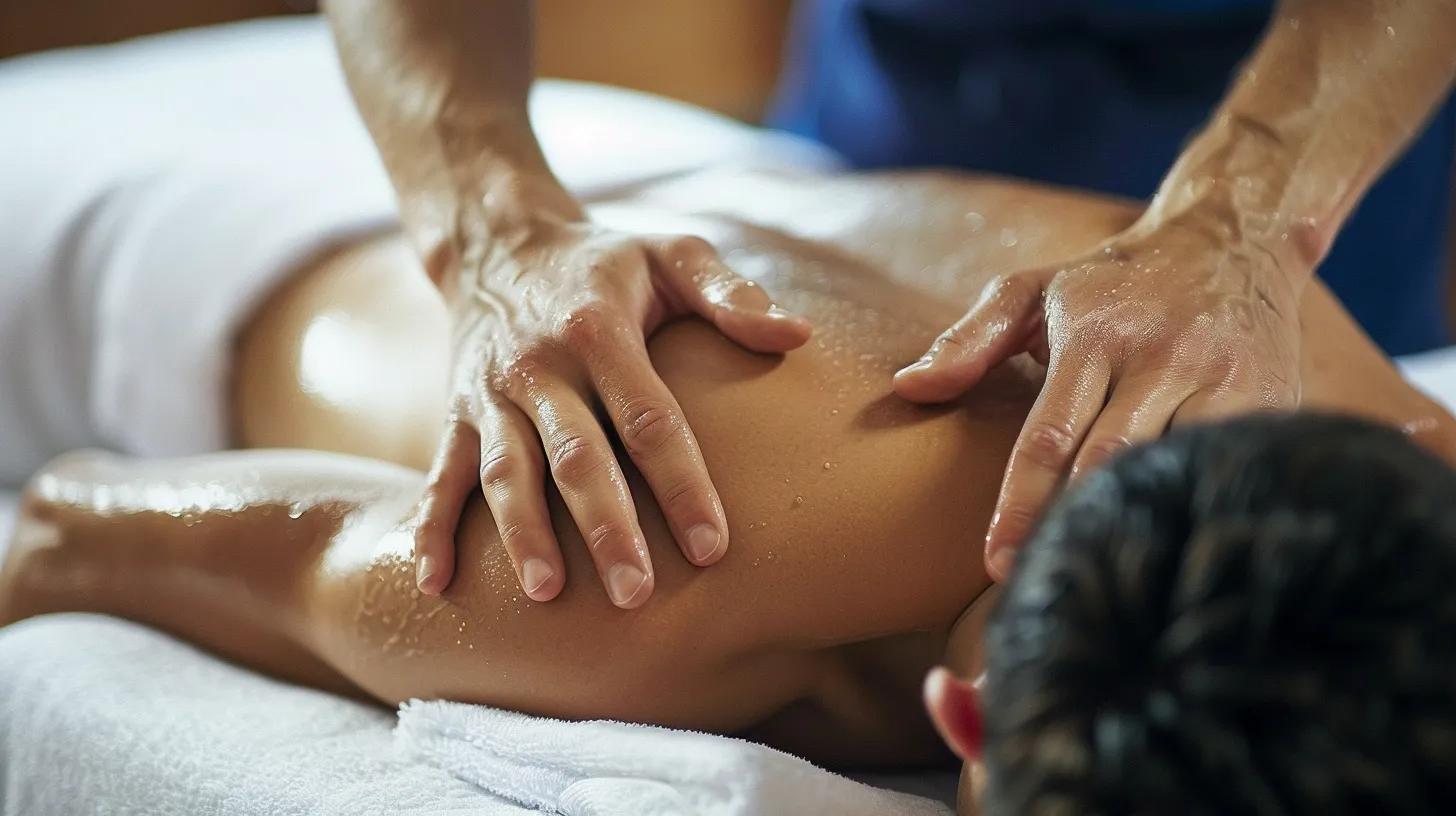
By applying steady, focused pressure to those spots, therapists reduce tightness and improve your range of motion. Many clients notice that everyday tasks become easier and movement feels more natural after treatment. The American Massage therapy Association recognizes trigger point techniques as a useful tool for managing chronic muscle pain and improving quality of life. Likewise, AMTA research supports these methods in clinical practice.
People who suffer from posture-related strain, repetitive motions, or stress often find relief with this therapy. Athletes also use it to speed recovery and support performance. If you’ve wondered, “Is trigger point therapy good for muscle pain?” — the short answer is yes, especially when other treatments haven’t fully helped.
How Triggthe erFormnts Form — and Why They Hurt
Trigger points develop when muscle fibers become overworked, injured, or chronically stressed. These small, hardened knots reduce local blood flow and keep the muscle in a shortened, tense state, causing ongoing pain and limiting movement.
Restricted circulation prevents oxygen and nutrients from reaching the area, so the pain can persist until the knot is released. Trigger points can also cause referred pain—for example, a tight spot in the neck may trigger a headache, making the true source harder to find without a trained assessment.
Common causes include prolonged poor posture, repetitive tasks, and emotional or physical stress. For many people, targeted treatment, such as trigger point therapy, works better than resting or relying only on medication.
Why Trigger the er Point Release Works
Trigger point therapy uses steady, focused pressure to help muscle fibers relax and restore healthy circulation. Improved blood flow brings oxygen and nutrients that support healing, while the pressure helps interrupt pain signals going to your brain.
As muscles release, the nervous system eases the protective tightness that keeps them guarded. That makes moving easier and reduces the cycle of tension and discomfort.
With regular sessions, many people experience lasting improvements in pain and muscle function. The National Institutes of Health recognizes trigger point approaches as practical options for breaking chronic pain patterns and restoring muscle health. Additional peer-reviewed research further supports their benefits and mechanisms in pain management.
Can massage therapy relieve muscle pain?
If you’re wondering whether massage can help with muscle pain,
The answer is yes. Massage relaxes tight muscles, improves circulation, and reduces stress—all of which are important for reducing pain. Trigger point therapy is a focused form of massage that targets the specific knots driving your discomfort.
Massage boosts blood flow to muscle tissue, helping flush metabolic waste and deliver healing nutrients. It also prompts the release of endorphins—your body’s natural pain-relief chemicals—which can lift mood and ease soreness. Together, these effects make massage a powerful tool for managing muscle pain.
Trigger point work goes deeper than general relaxation massage by applying precise pressure to the spots that generate pain. The Cleveland Clinic notes this technique is effective for muscle pain that hasn’t responded to other treatments.
Signs You Might Have Trigger Points
How can you tell if trigger points are causing your pain? Look for small, tender knots in your muscles that hurt when pressed. These points often produce pain that radiates to other areas—for instance, neck knots that cause headaches.
Other clues include stiffness, limited range of motion, and pain that doesn’t improve with rest. You might notice certain movements increase the pain, or that your muscles feel tight even after sleeping. If these signs sound familiar, trigger point therapy could help.
Because trigger points can cause referred pain, the source and symptom may be in different locations—for example, a shoulder knot creating arm pain. A trained therapist can locate and treat these spots effectively.
Trigger Point therapy vs. Other Pain Relief Options
Trigger point therapy tackles the source of muscle pain by releasing tight knots and restoring proper muscle function. Over-the-counter pain relievers can briefly ease symptoms but don’t address the underlying tension. Stretching and exercise improve flexibility, but may not reach deep knots on their own.
Chiropractic care focuses on joint alignment and can help some types of pain, but it may not directly address the tight muscle spots that trigger point therapy targets. Often, combining treatments—such as manual therapy, targeted stretches, and chiropractic adjustments—delivers the most durable relief.
Here’s a quick, practical comparison of common pain-relief methods:
Find Trigthe ger Point therapy Near You
If you’re searching for trigger point therapy nearby, Peaceful Warriors Wellness Center in St. Petersburg, FL is a trusted local option. We offer professional, compassionate care in a warm, welcoming space designed to help you find lasting relief.
Our therapists listen carefully, assess your needs, and create a personalized plan. They use controlled pressure to release muscle knots and check in frequently to ensure your comfort. After each session, we share practical stretches and self-care tips you can use at home to keep progressing.
Many St. Pete residents choose Peaceful Warriors because we are veteran- and woman-owned, and our team brings dedication and empathy to every visit. Our therapists have years of experience helping people reduce pain and regain mobility. We emphasize healing—not quick fixes—so you can enjoy more lasting comfort.
How Triggthe the er Point therapy Fits the St. Pete Lifestyle
Living in St. Petersburg means enjoying outdoor life—kayaking, biking, beach days—and you shouldn’t have to miss out because of muscle pain. Trigger point therapy helps you move more freely so you can get back to activities you love, like exploring Fort De Soto Park.
Walking the St. Pete Pier is a simple pleasure when your body isn’t holding you back. Release tight muscles with targeted therapy and enjoy the pier’s views, shops, and fresh air without discomfort.
Places like the Sunken Gardens are perfect for relaxed strolls—easier to enjoy when your muscles feel good. Trigger point therapy supports an active, pain-free lifestyle in St. Pete so you can make the most of each day.
What to Expect at Peaceful Warriors Wellness Center
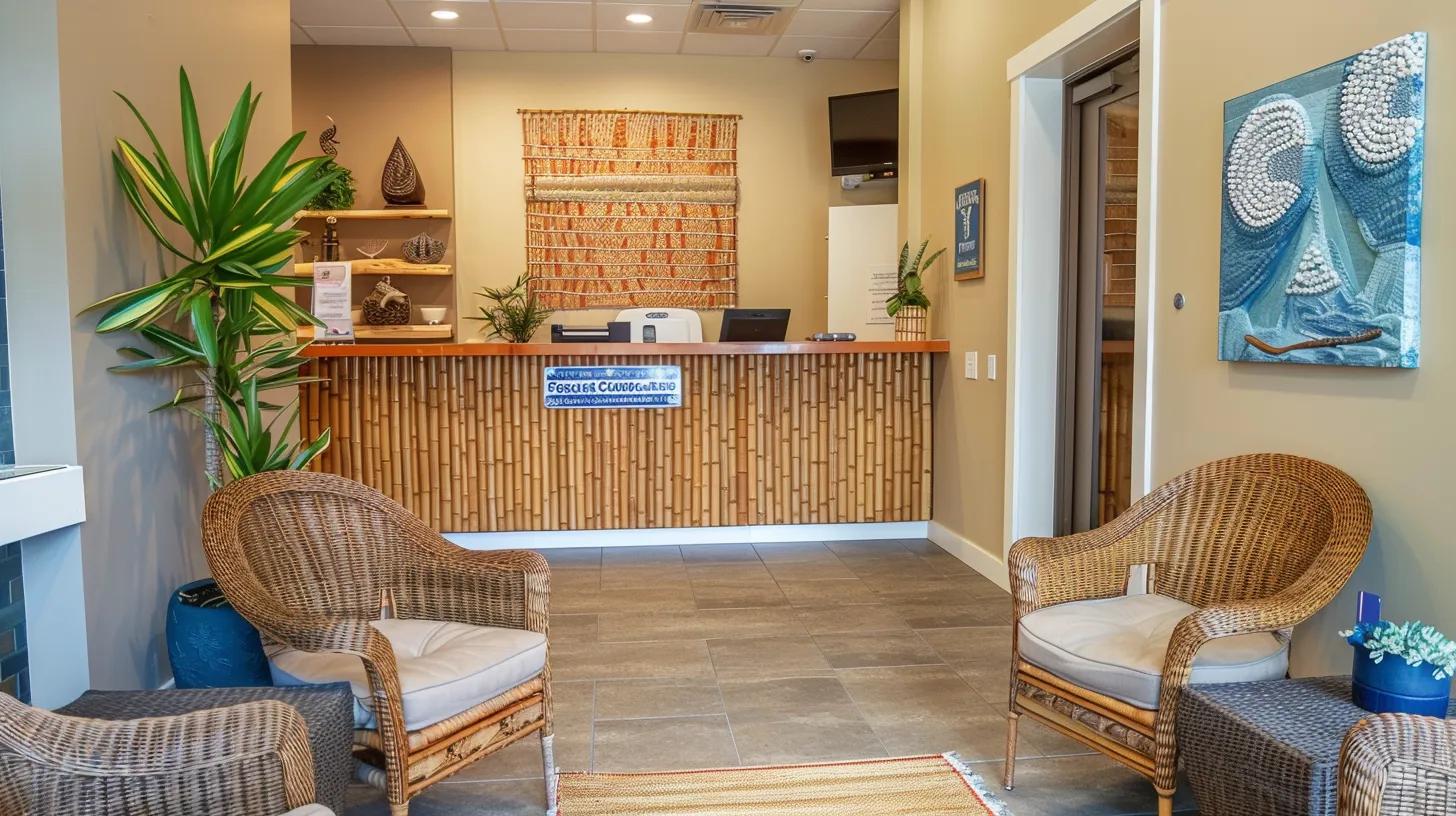
When you arrive, our friendly staff will welcome you and take time to hear about your pain and goals. Your therapist will assess the area and explain a personalized plan before starting treatment, so you know what to expect.
During the session, the therapist applies precise, steady pressure to release muscle knots, checking in to ensure your safety and comfort. Afterward, you’ll get clear guidance on stretches, self-care, and follow-up options to support ongoing progress.
Our goal is for you to leave feeling better—more comfortable, more mobile, and equipped to manage your muscle health. Many clients return because they trust our approach and see real, lasting results.
Why St. Pete Residents Choose Peaceful Warriors
St. Petersburg locals trust Peaceful Warriors Wellness Center because we blend professional skill with compassionate care. As a veteran- and woman-owned practice, we bring commitment and attention to every session. Our therapists have extensive experience treating muscle pain and tension with lasting results.
We’re located at 2150 49th St N, Ste B, in a calm, easy-to-find space where you can focus on healing. We listen to your needs and work with you to improve muscle function and overall comfort. Many neighbors become repeat clients because they feel genuinely cared for and see meaningful improvements.
Contact us at (727) 822-8866 or visit peacefulwarriorswellness.com to learn more or schedule an appointment.
When Sarah first came to Peaceful Warriors, persistent neck and shoulder pain kept her from enjoying daily life. After a few sessions of trigger point therapy, the tight knots began to release. Her pain eased, movement improved, and she started waking up ready for the day. If you’d like similar relief, call Peaceful Warriors at (727) 822-8866—we’re here to help you move and feel your best.
Explore the. Petersburg After Your Trigger Point therapy Session
After a restorative session at Peaceful Warriors Wellness Center, give yourself time to gently enjoy the beauty of St. Petersburg. The city’s parks, cultural sites, and beaches make a perfect backdrop for continuing your wellness journey.
- Vinoy Waterfront Park — A peaceful waterfront stroll to breathe in fresh air and ease into movement after therapy.
- The Dali Museum — Immerse yourself in art for a calm, restorative mental reset that complements your physical care.
- St. Pete Beach — Soft sand and gentle waves make for a soothing walk or quiet moment by the water.
- Sunken Gardens — Enjoy slow, restorative strolls among lush plants and bright blooms.
- Fort De Soto Park — Scenic trails and wide views—great for light activity that helps maintain your therapy gains.
- Central Avenue Arts District — A lively area for gentle exploration of local art, cafés, and shops at your own pace.
Taking in these local spots after your session can amplify the benefits of therapy—leaving you refreshed, inspired, and ready to enjoy St. Pete.
Frequently Asked Questions
What conditions can trigger point therapy help with?
Trigger point therapy can help with chronic muscle pain, tension headaches, and discomfort from repetitive strain. It’s especially useful for tightness in the neck, shoulders, and back caused by poor posture or stress. Athletes often use it to speed recovery and improve performance. By targeting specific muscle knots, it addresses the root causes of pain and works for a wide range of muscle-related issues.
How long does a typical trigger point therapy session last?
Sessions typically run 30 to 60 minutes, depending on your needs and the level of muscle tension. During that time, the therapist focuses on areas of discomfort and applies targeted pressure to release knots. The exact length will depend on your condition and comfort level; your therapist will discuss timing during the initial consultation.
Can I combine trigger point therapy with other treatments?
Yes. Many people combine trigger point therapy with chiropractic care, physical therapy, or acupuncture for broader relief. A coordinated approach can address different aspects of pain and improve mobility. Always consult your healthcare provider or therapist to create a safe, effective plan that fits your goals.
Is there any aftercare I should follow post-therapy?
After a session, staying hydrated helps flush out metabolic byproducts released during treatment. Gentle stretching and light activity maintain flexibility, and heat or cold packs can soothe treated areas. Your therapist will give personalized aftercare recommendations—be sure to follow them to support ongoing progress.
How can I tell if trigger point therapy is working for me?
Look for reduced pain, increased range of motion, and less muscle tightness. Many clients notice improvements after a few sessions. If daily activities become easier and less painful, that’s a strong sign the therapy is helping. Keep communicating with your therapist so they can adjust your plan as needed.
Are there any side effects associated with trigger point therapy?
Most people tolerate trigger point therapy well, though mild soreness or temporary bruising can occur as muscles release. Drinking water and resting can ease any aftereffects. If you experience severe pain or unexpected symptoms, contact your therapist or healthcare provider right away. Open communication helps ensure a safe treatment experience.
What should I expect during my first trigger point therapy session?
Your first session begins with a thorough assessment of your pain and goals. The therapist will explain a personalized plan, then apply focused pressure to the identified trigger points while checking in on your comfort. After treatment, you’ll receive guidance on stretches and self-care to support continued improvement.
How many sessions of trigger point therapy will I need?
The number of sessions varies based on the severity and duration of your muscle tension. Some people feel relief after a few visits; others benefit from ongoing care to maintain results. Your therapist will track your progress and recommend a plan tailored to your needs.
Is trigger point therapy safe for everyone?
Trigger point therapy is safe for most people, but it may not be appropriate for everyone. If you have conditions like severe osteoporosis, recent injuries, or certain skin issues, consult your healthcare provider first. Always tell your therapist about any health concerns or medications so we can tailor a safe, effective treatment.
Can trigger point therapy help with headaches?
Yes. Trigger point therapy can relieve tension-type headaches and some migraines linked to muscle tightness in the neck and shoulders. By releasing tight spots and improving blood flow, the therapy can reduce headache frequency and intensity for many people.
How does trigger point therapy differ from traditional massage?
Traditional massage focuses on overall relaxation and circulation, while trigger point therapy zeroes in on specific tight knots (trigger points). The therapist uses precise, sustained pressure to release those knots, addressing the root cause of pain rather than only easing surface tension. This targeted work often delivers deeper, longer-lasting relief for chronic muscle issues.
What can I do at home to complement trigger point therapy?
At home, regular stretching helps maintain flexibility and prevent new knots from forming. Use heat or cold packs as advised and practice good posture during daily activities. Taking breaks during repetitive tasks reduces strain. Your therapist will likely give tailored exercises and stretches to enhance the benefits of your sessions.
Common Questions About Trigger Point therapy
What is the best way to relieve muscle pain with trigger point therapy?
The most effective approach is targeted, sustained pressure directly on the tight knots in your muscles. This focused technique helps release tension, restore blood flow, and lower pain signals so your muscles can relax and heal. Pairing sessions with at-home stretches maximizes and maintains relief.
How does trigger point therapy work for chronic muscle tension?
Trigger point therapy breaks up hardened knots that limit circulation and cause pain. Steady pressure helps relax muscle fibers and restore blood flow, bringing oxygen and nutrients to the area. This interrupts the pain cycle and calms the nervous system, making movement easier over time.
How many trigger point massage sessions do I need to see results?
Results vary based on how long and how severe the tension is. Many people notice improvement after a few sessions, while others may need ongoing care for lasting relief. Your therapist will create a plan tailored to your specific needs and track your progress.
What should I expect during my first trigger point therapy session?
Expect a thorough consultation and assessment of your pain and movement. The therapist will apply focused pressure to identified trigger points, checking in on your comfort throughout. After the session, you’ll get practical self-care tips and stretches to support ongoing improvement.
Trigger point therapy is a natural, effective way to reduce muscle pain and restore mobility by addressing the root cause of tightness. If you’re ready to feel better and move with more freedom, consider booking a session at Peaceful Warriors Wellness Center. Take the first step toward lasting relief today!