

Stress can affect our physical, emotional, and mental wellbeing. Reflexology is a holistic healing technique that has been used for centuries to reduce stress, promote relaxation, and restore balance in the body. This ancient practice involves applying pressure to specific points on the feet and hands, believed to correspond to different organs and systems of the body. In this article, we will explore how reflexology works, its benefits, the techniques practitioners use, common questions about this therapy, and how to find a qualified reflexologist.
Key Takeaways
- Reflexology is an ancient healing modality used for thousands of years to relieve stress and promote relaxation.
- Reflexology involves applying pressure to specific regions of the feet, linked to other parts of the body, to stimulate pressure points and relax the mind and body.
- Reflexology sessions can help relieve stress by promoting overall wellbeing and boosting the body’s natural healing process.
- Finding a qualified reflexology practitioner who has undergone rigorous training and certification is essential for experiencing the full benefits of reflexology.
What Is Reflexology?

The practitioner applies gentle pressure with their hands or specialized reflexology tools. This helps increase blood flow to these areas and release endorphins, which act as natural painkillers. Reflexology can relieve stress and tension, improve wellbeing, and promote relaxation and a sense of belonging.
Benefits of Reflexology
Studies have found that reflexology is associated with various health benefits, including improved relaxation and mood. Reflexology has been used as an alternative therapy to help.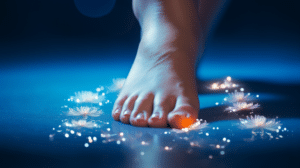
Some of the potential benefits of reflexology include:
- Improved circulation – Stimulating reflex points on the foot can improve circulation throughout the body.
- Reduced pain – Reflexology can help relieve pain from headaches, muscle soreness, arthritis, and other aches and pains.
- Stress relief – Regular sessions may reduce overall stress levels by helping to relax the mind and body.
Reflexology is a holistic approach to health care that considers the whole person—mind, body, spirit—to achieve greater wellbeing and peace in one’s life. With its focus on alternative therapies rather than medications for symptom relief or medical intervention for illness treatment, it can provide an effective way for people to manage their own physical and emotional health without relying solely on traditional medicine.
How Reflexology Works
Reflexology is a holistic approach to medical care that focuses on the feet as an interconnected map of the body. This technique involves applying pressure to specific areas of the feet, known as pressure points, which correspond to different body parts. In reflexology, each foot is divided into reflex zones or areas where each point corresponds to an organ or system in the body. By stimulating these zones with gentle pressure and massage techniques, practitioners can help promote relaxation and reduce stress.
Foot Zones
Research suggests that the feet contain specific zones that correspond to certain organs and systems in the body, which can be manipulated to promote relaxation. These reflex points are located on the soles of our feet and, when appropriately massaged, can help reduce stress levels:
- By applying pressure to areas of tension:
- Foot massage helps release tightness and knots in muscles.
- Releasing these tension points helps achieve balance for improved wellbeing.
- Through stimulating reflexology points:
- Reflexology involves applying pressure to various reflex points on the feet.
- This stimulation encourages a more profound relaxation and an overall sense of connectedness.
Pressure Points
Manipulating specific pressure points on the feet through massage and reflexology techniques can help achieve a balanced state. Pressure points are small areas located throughout the body, including the feet, which, when stimulated, may relieve various physical and emotional ailments. Different pressure points exist; some connect to specific organs or systems in the body, while others relate to emotional states such as relaxation or stress.
Reflexology benefits include reducing tension, improving circulation, and promoting overall wellbeing. Depending on an individual’s needs, a reflexologist may focus on specific pressure points to help restore balance. When combined with other holistic approaches such as yoga and meditation, reflexology can be a powerful tool for reducing stress and promoting relaxation.
The History of Reflexology
Reflexology became more popular in Europe during the 19th century when physicians began studying its effects on various illnesses. Modern scientific research has proven that reflexology can help reduce stress by improving circulation, boosting immunity, reducing pain, and increasing energy levels.
Reflexologists believe that each area of the foot or hand corresponds to different organs in the body. By targeting specific pressure points, they can work gently on these areas to aid healing and improve overall wellbeing. Stimulating these nerve endings helps break down blockages, restoring natural balance within the body and leading to comfort, balance, and relaxation.
Types of Reflexology Techniques
Various techniques are used in reflexology to stimulate pressure points on the feet, hands, or ears. These reflexology techniques activate the body’s natural healing processes, helping to relieve stress and promote relaxation. Self-reflexology is a technique that uses massage tools, such as stones, rubber balls, or spiky balls, to apply pressure directly to specific areas of your hands or feet. This technique can help release tension and blockages throughout the body, relaxing muscles and improving circulation.
A zone therapy technique also uses a map of each reflex point on your feet or hands, divided into ten zones, with five corresponding to your head, chest, abdomen, back, and legs. This method works by applying pressure to regions linked to other body parts to promote healing. The thumb walk technique is another form of reflexology in which pressure is applied with circular movements of the thumbs along one foot at a time, from heel to toe, then towards the center of that foot’s arch, before repeating this process on the other foot. Stimulating these pressure points, whether through massage or other methods, helps relax the mind and body while boosting overall wellbeing.
Preparing for a Reflexology Session
Reflexology is a holistic healing technique that offers numerous benefits, including stress relief and relaxation. Before engaging in a reflexology session, it is essential to research practitioners and understand what to expect. Individuals should be certified and qualified to provide reflexology services when seeking a practitioner. Also, it would be helpful to understand the session’s possible outcomes before beginning, so expectations can be managed.
Benefits of Reflexology
Benefits of reflexology include reduced stress and increased relaxation. Reflexology is an alternative therapy that uses specific massage techniques to apply pressure to different areas of the feet, hands, and ears. This ancient healing modality has been used for thousands of years to treat various ailments. Benefits include: – Improved sleep quality – Increased energy levels – Relief from anxiety and depression.
Reflexology encourages the body’s natural healing process by promoting relaxation through various calming techniques. Stimulating specific points on the feet, hands, or ears helps balance the body’s energy flow, thus encouraging physical wellbeing. Through its holistic approach to health and wellness, reflexology helps relieve pre-emptive and physical stressors while promoting overall wellbeing.
Finding a Practitioner
Finding a qualified reflexology practitioner may benefit those seeking its therapeutic benefits. When seeking a skilled practitioner, the individual must undergo rigorous training to obtain their certification. Qualifying criteria for practitioners should include knowledge of human anatomy and physiology, understanding pressure point massage techniques, and evidence of hands-on experience.
Additionally, practitioners should have a holistic approach to understanding the body’s relationship with health from physical, emotional, mental, and spiritual perspectives. You should know that practitioner qualifications vary by country or region, so it is essential to research these credentials before selecting someone who meets your needs. With this in mind, finding an experienced professional can help ensure you receive the most appropriate care for your overall wellbeing.
Expectations for Session
A reflexology session entails various expectations that can be discussed with the practitioner before treatment. Clients should generally anticipate pressure relief and relaxation benefits during the treatment. The practitioner will likely discuss any specific areas causing discomfort or pain, as well as expectations for the oession. As a whole, it is essential to convey all concerns before beginning to ensure a holistic approach when providing reflexology.
Clients may also ask how often they should return to maximize the potential relaxation and stress-relief benefits. Additionally, practitioners can suggest post-treatment activities such as hydration and meditation to reduce stress. Ultimately, clients should feel empowered in their journey towards health and wellness through reflexology while feeling a sense of belonging within the community of people who seek its benefits.
What to Expect During a Reflexology Session
Reflexology sessions typically involve a practitioner applying pressure to specific points on the feet, hands, or ears to stimulate relaxation and address physical ailments. During the session, the client is asked about their health status and medical history. The reflexologist will then use various techniques, such as thumb walking and finger pressing, to apply pressure to specific body areas. These techniques reduce tension in multiple muscles, tendons, and ligaments.
The cost of a reflexology session can be different depending on where you live. It also depends on the experience of the person giving the treatment. Prices can vary widely from one place to another.
Because of this, it’s a good idea to ask around in your area. You can call or visit local reflexologists to learn about their prices. This way, you find a price that works for you.
Remember, the most important thing is to choose someone who is skilled and makes you feel comfortable. The right therapist can help you relax and feel better. So, don’t be afraid to ask questions before you book.
How Reflexology Can Help Relieve Stress
Studies suggest that various reflexology techniques can effectively help relieve stress. Reflexology is a holistic healing therapy that applies pressure to specific areas on the feet and hands to promote better physical, mental, emotional, and spiritual wellbeing. This technique has been shown to reduce anxiety, enhance sleep quality, improve mood, and create relaxation.
Reflexology promotes relaxation through a range of massage techniques that target specific areas of the body. The therapist applies gentle pressure to specific points on the feet and hands that correspond to other organs and systems in the body. Stimulating these points helps relieve muscle tension throughout the body, improving circulation and increasing energy levels.
Relaxation is also achieved through calming music or aromatherapy during a session, as well as an overall calming atmosphere that makes one feel safe and comfortable. Practitioners also use positive affirmations during each session to help clients enter a state of calm and offer words of encouragement for their journey toward recovery from stress or any other physical or mental illness they are dealing with at the time.
Overall, reflexology provides an excellent way for individuals suffering from stress or any other physical or mental ailment to recover from their symptoms without taking medications or undergoing medical treatments such as surgery. It is also very beneficial when it comes to reducing anxiety levels so that people can enjoy better quality sleep while allowing them to regain physical and emotional balance to lead healthier lives.
How Reflexology Can Help Promote Relaxation
By employing a range of massage techniques targeting specific body parts, reflexology can help individuals achieve relaxation. Reflexology practitioners believe stimulating particular body areas can improve energy flow and help restore balance and health. Through this, individuals can benefit from increased feelings of relaxation and wellbeing.
- Self-care through reflexology
- Improved circulation
- Relaxation of muscles
- Increased mental clarity
- Improved sleep quality
Reflexology is becoming increasingly popular as an effective self-care tool for stress relief and relaxation. It encourages people to take time and be mindful of their needs. Not only does it offer physical benefits, such as improved circulation, but it also helps relax the mind, which directly reduces stress levels. By stimulating specific pressure points, practitioners can access blocked energy pathways that may contribute to feelings of tension or stress. This promotes a sense of wellbeing, and individuals can experience more significant states of relaxation and peace by calming the mind.
Common Questions About Reflexology
Reflexology is an alternative medicine practice that uses pressure points on the feet and hands to improve overall health. It is based on the idea that each part of the body corresponds to specific areas in the hands and feet, with pressure used to affect healing. The benefits of reflexology include improved relaxation, circulation, and relief from stress and anxiety. Applying reflexology involves a therapist applying finger or thumb pressure to specific areas of the hand or foot for a prescribed amount of time. This can be combined with massage techniques for additional relaxation benefits.
What Is Reflexology?
Reflexology is an ancient practice of pressure point massage on specific areas of the body, which are believed to correspond with particular organs and bodily systems. It is a form of energy healing that involves applying massage techniques to the feet to promote relaxation, stress relief, and overall wellbeing. It is based on the idea that different points on the feet are connected to various parts of the body by invisible energy pathways.
Massaging these reflex points on your feet can help restore balance throughout your body and foster a sense of belonging within yourself. Reflexology can be used as part of a regular self-care routine or to address specific ailments or concerns. A foot massage relieves tension, promotes relaxation, and boosts circulation throughout your body.
Benefits of Reflexology
Applying massage techniques to specific points on the feet offers a range of beneficial effects. Reflexology is a holistic approach used for centuries to promote emotional healing and physical balance. It can relieve stress, tension, fatigue, headaches, insomnia, and other ailments related to an unbalanced lifestyle.
Reflexology offers many benefits:
Applying Reflexology
Applying pressure to specific reflex points on the feet, hands, and ears can help restore balance to the body. Reflexology techniques involve applying gentle but firm pressure to these points using thumb or finger strokes. This helps promote energy flow throughout the body and encourages relaxation. Pressure is applied in different directions depending on the stimulated area for maximum benefit.
By focusing on specific areas of tension and stress, reflexology can address physical issues related to chronic pain, insomnia, anxiety, depression, digestive disorders, and more. It is important to note that this practice does not replace traditional medical treatments but is a complementary therapy for overall wellness. By establishing a regular reflexology routine, individuals can experience improved wellbeing through enhanced relaxation and reduced stress levels.
Finding a Reflexology Practitioner
Identifying a qualified reflexology practitioner can benefit those seeking relief from stress and relaxation. Knowing what certification requirements and qualifications to look for in a practitioner is essential in finding the right one. Knowing these details ensures that the individual has been trained with the necessary techniques to help relieve stress and promote relaxation through reflexology. It is also essential to research how long the practitioner has been practicing and whether they are certified by professional organizations or associations.
It is also essential to find a practitioner who will consider all aspects of a person’s lifestyle when providing treatment. A holistic approach should be taken to ensure that all areas are addressed when relieving stress and promoting relaxation. The practitioner should strive for a balance among physical, emotional, mental, and spiritual wellbeing in their practice, while considering factors such as diet, exercise, environment, relationships, work-life balance, and more.
Frequently Asked Questions
How Long Does a Reflexology Session Typically Last?
A reflexology session typically lasts between 45 minutes and an hour. During this time, the practitioner employs techniques such as massaging the hands, feet, or other body parts to stimulate different points associated with various organs. The purpose of these alternative methods is to encourage spiritual healing and relaxation by restoring energy flow throughout the body. Reflexology can benefit those seeking relief from stress, anxiety, fatigue, aches, and pain. It helps create harmony within oneself by allowing one to reconnect with one’s inner self and find solace in belonging.
Are There Any Risks Associated With Reflexology?
When considering reflexology, awareness of any associated risks is essential. Practitioners should hold a qualification in reflexology that enables them to assess the suitability of this treatment for an individual accurately. Reflexology itself has no long-term effects; however, if the practitioner is inexperienced or unqualified, they may cause injury or lasting harm. It is always best to research the practitioner’s qualifications and experience before getting a reflexology session. When done correctly and safely, reflexology can provide relaxation and reduce stress levels with no adverse side effects.
How Much Does a Reflexology Session Cost?
The cost of a reflexology session varies by practitioner and location, but typically ranges from $5 to $100 per hour. It is important to note that affordable options are often available, and some practitioners offer discounts for those with limited incomes. The health benefits of reflexology make it well worth the cost, as it can help alleviate stress and promote relaxation. Furthermore, because it is a holistic approach to wellbeing, it promotes not only physical but also mental health. Therefore, investing in a reflexology session is an investment in yourself that can bring tremendous financial and emotional benefits.
Do Traditional Medical Organizations Recognize Reflexology?
Reflexology, the ancient practice of applying pressure to specific points on the feet and hands, has become increasingly popular in recent years. Like a soothing balm for the mind-body connection, it can relieve stress and promote relaxation. While traditional medical organizations do not officially recognize reflexology, research supports its efficacy, suggesting it is more than a placebo effect. Many people turn to reflexology as part of their holistic approach to health care. As an empathetic practice that fosters feelings of belonging and wellbeing, reflexology can be a powerful tool for reducing stress and promoting relaxation.
Are There Any Contraindications for Reflexology?
Reflexology is a holistic approach to health care and should be used cautiously. People with specific acute injuries or chronic conditions may have contraindications to eflexology, such as deep vein thrombosis, certain neurological disorders, or any infection. Talking about potential risks with a qualified practitioner is essential to ensure this therapy is appropriate before engaging in reflexology. As part of the holistic approach, practitioners must also assess their clients’ physical and emotional conditions before commencing treatment.
Conclusion
Many of my clients say they feel lighter and more peaceful right after a reflexology massage. Some tell me their stress melts away, and their minds feel clear and calm. It’s incredible how just a little pressure on the feet or hands can make such a big difference.
Reflexology is a natural way to bring balance and calm to your whole body. It helps reduce stress and invites deep relaxation without the need for medicines or other treatments. When you feel this good, it’s easier to enjoy everyday life and take charge of your health.
If you’re ready to experience these benefits, contact Peaceful Warriors today to schedule your massage. We’re here to help you relax, refresh, and feel your very best. Give yourself the gift of wellness—you deserve it!

Lena Roberts brings over 25 years of hospital-industry experience to her holistic practice as owner and lead therapist at Peaceful Warriors Wellness Center. Blending neuromuscular therapy, myofascial release, reflexology, and hot-stone massage, she delivers personalized treatments that uplift body, mind, and spirit.