Relieve Neck Pain Today

Discover Cervical Pain Relief with Expert Neck Therapy

Find Neck Pain Relief Today in St Pete

Neck pain and stiffness happen when the muscles and fascia in the cervical region lose their normal balance of length and tension. That imbalance creates local tenderness, a tighter range of motion, and frequent headaches. Therapeutic massage addresses these issues by easing muscle overactivity, releasing fascial tightness, and retraining neuromuscular patterns so movement becomes freer and less painful. This guide explains the common local causes of neck pain we see in St. Petersburg, the massage approaches that reliably reduce cervical pain, and practical self-care you can use between sessions. You’ll also learn what to expect during a clinical massage visit, how therapists tailor plans to your needs, and the typical results clients report, including recommendations for follow-up and frequency. Throughout, we highlight local clinical approaches and the role our licensed massage therapists play in targeted neck pain and stiff-neck therapy in St. Petersburg.

What causes neck pain and Stiffness in St. Petersburg Residents?

In St. Petersburg, neck pain most often results from a combination of mechanical loading, repetitive movements, and stress-related muscle guarding. Together, these create trigger points and fascial restrictions that change how the cervical spine and surrounding tissues bear load and glide. The result is symptoms such as limited rotation, morning stiffness, and cervicogenic headaches. Understanding these common contributors helps you and your therapist choose the right hands-on techniques and prioritize posture or behavioral changes. Below is a concise list of locally relevant causes that we address in the clinic.

  • Poor posture and a forward head posture during prolonged desk work or device use increase the risk of chronic strain.
  • Repetitive strain from work tasks, sports, or long drives that causes microtrauma and persistent muscle tension.
  • Acute injuries, such as whiplash, trigger protective muscle guarding and active trigger points.
  • Psychological stress amplifies muscle tension and sustains bracing around the neck and shoulders.
  • Degenerative changes and overuse can create adhesions in muscle and fascia, restricting motion.

These factors often occur together: for example, a desk worker with forward head posture may also experience stress-related tension, compounding tightness and perpetuating a cycle of pain and limited mobility. Effective neck pain massage treats tissue mobility while also addressing the ergonomic and behavioral drivers that created the problem.

How Do Pothe or Posture and Tech Neck Contribute to Neck Pain?

Forward head posture—commonly called tech neck—increases the load on the upper cervical spine and posterior neck muscles. Suboccipital muscles, upper trapezius, and levator scapulae work harder and can become shortened and tender. Over time, this leads to tight muscle fibers, trigger points, and reduced fascial glide, which limits rotation and extension. Therapeutic massage eases hypertonicity by lengthening shortened tissue, deactivating trigger points, and restoring glide between layers, helping normal cervical mechanics return. Simple ergonomic fixes, paired with targeted hands-on work-speed recovery, reduce the likelihood that maladaptive posture will return. Addressing posture early also helps determine whether adjunct therapies such as neuromuscular therapy or myofascial release will provide faster, longer-lasting relief.

What Role Do Stress and Repetitive Strain Play in Neck Stiffness?

Stress triggers sympathetic activation that raises baseline muscle tone and encourages protective bracing around the neck and shoulders, increasing stiffness and pain over time. Repetitive tasks—typing, driving, or sport-specific movements—produce cumulative microtrauma that creates chronic trigger points and altered movement patterns, so stiffness persists even without a single dramatic injury. Therapeutic massage interrupts this pain–tension cycle by lowering autonomic arousal, improving circulation, and breaking up local adhesions, allowing muscles to relax and movement to normalize. When massage is combined with stress-management, scheduled movement breaks, and ergonomic adjustments, clients usually see longer-lasting reductions in stiffness and fewer flare-ups.

Which of the therapeutic massage techniques effectively relieve neck and Shoulder Pain?

Therapeutic massage for neck pain includes several distinct modalities, allowing therapists to match techniques to the source of stiffness or pain. Common choices include deep tissue to address chronic tightness and adhesions, neuromuscular therapy (NMT) to deactivate trigger points and neural tension, myofascial release (MFR) to restore fascial glide and joint mobility, and sports massage for activity-related strains and recovery.

Introductory table: this comparison highlights what each modality targets and the typical clinical effect or expected time to relief when applied appropriately.

ModalityTargetsTypical Clinical Effect / Time-to-Relief
Deep Tissue MassageDeep cervical and scapular muscles; adhesionsReduces chronic muscle tightness and adhesions; relief often occurs after 2–4 sessions.
Neuromuscular therapy (NMT)Trigger points, referral patterns, neural tensionRapid pain reduction and improved ROM in 1–3 focused sessions
Myofascial Release (MFR)Cervical fascia and interlayer glideGradual mobility gains across multiple sessions; cumulative benefit by 3–6 visits
Sports MassageOveruse injuries and sport-related muscular imbalanceSpeeds recovery and lowers recurrence risk when paired with rehab

This table helps clarify modality selection: deep tissue is useful for persistent contractures; NMT is best when trigger points reproduce symptoms; MFR addresses broad stiffness from fascial restriction; and sports massage is appropriate when athletic loading contributes to pain. If you’re choosing a first approach, consider whether pain is acute, referral-based, or driven by fascial adhesion—each point to a different technique.

How Does Deep Tissue Massage Alleviate Chronic Neck Pain?

Deep tissue massage applies slow, focused pressure into deeper muscle layers and connective tissue to break down adhesions, reduce trigger point activity, and boost local circulation. This work helps remodel shortened muscle fibers and improve sliding between tissue layers, thereby reducing mechanical irritation and improving joint mechanics. Clinically, deep tissue therapy suits clients with persistent tightness, limited range of motion, and chronic trigger points that don’t respond to surface-level methods. Many clients feel deep pressure followed by gradual loosening during and after sessions, with meaningful improvement often occurring after two to four treatments when paired with home mobility exercises.

(Clinic note) At Peaceful Warriors Wellness Center, our licensed therapists use careful assessment and sustained integration techniques to maximize hands-on time while keeping clients comfortable.

What Benefits Does Neuromuscular therapy Offer for Stiff Neck Muscles?

Neuromuscular therapy focuses on dysfunctional motor patterns and active trigger points that can refer pain to the head, shoulder, or arm. Therapists use targeted pressure, ischemic compression, and specific stretching to locate taut bands, reproduce referral patterns, and then deactivate those points. NMT often produces immediate drops in pain, better cervical rotation, and fewer headaches after focused sessions. Combined with posture correction and motor-control exercises, NMT offers a path from quick symptom relief to more lasting functional recovery.

Does Myofascial Improve Cervical Stiffness and Mobility?
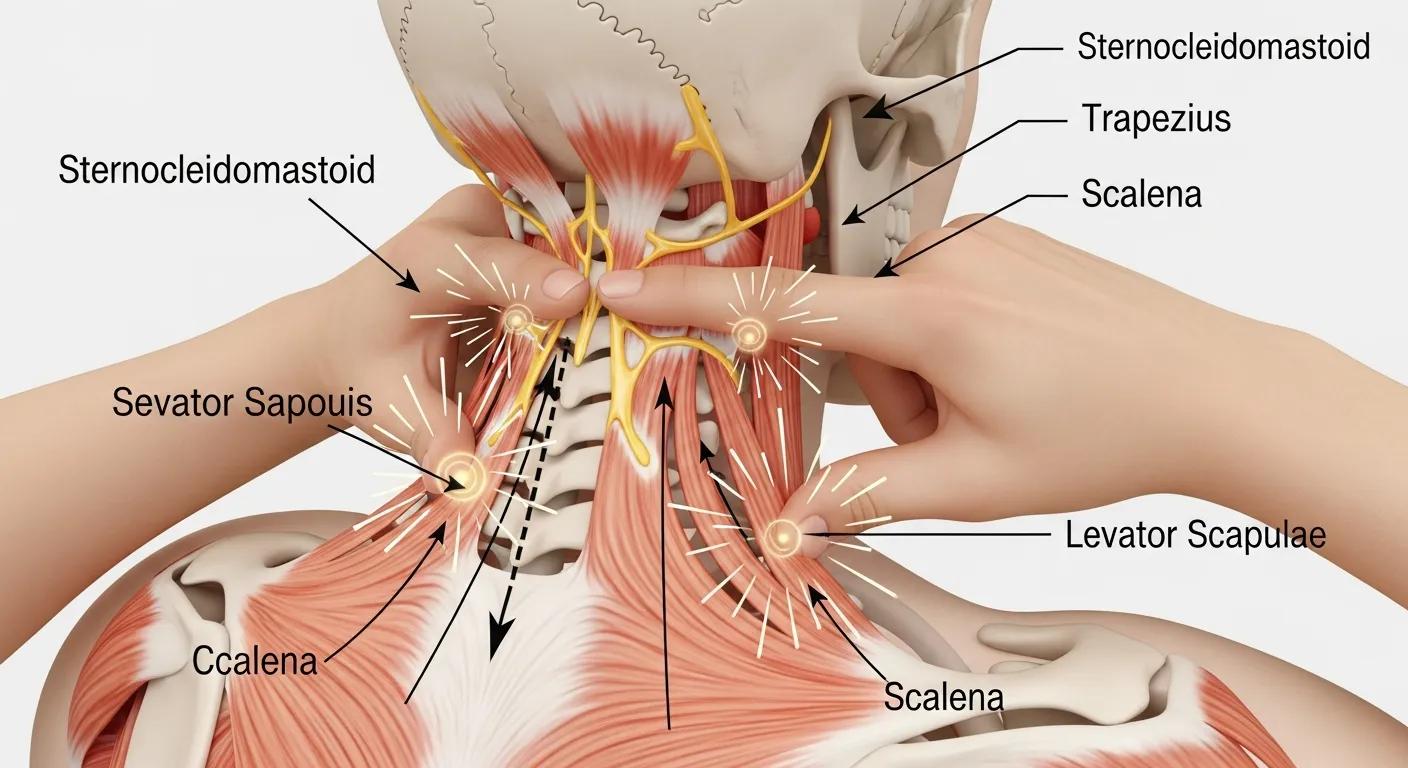
Myofascial release treats restrictions in the connective tissue network that limit muscle glide and joint motion, restoring smoother interaction between fascia and muscle, which is essential for free cervical movement. The technique uses sustained, low-load pressure and guided stretching to promote fascial rehydration and reorganization, reducing tight bands and improving tissue elasticity. Because fascial restrictions often create large cross-regional patterns of stiffness, MFR can improve not just the neck but also shoulder girdle mechanics, posture, and compensatory loading. Practitioners commonly combine MFR with mobility drills and education so gains last between sessions.

Introductory note before table: the table below summarizes common fascial presentations and expected outcomes when myofascial release is used therapeutically.

PresentationWhat It TargetsExpected Outcome / Timeframe
Local fascial adhesionsCervical fascia and suboccipitalsImproved glide and less point tenderness within 1–3 sessions
Broad fascial patternsUpper thoracic and scapular fasciaReduced global stiffness and better posture after multiple sessions
Scar or post-injury restrictionsDense connective tissueGradual remodeling over several weeks with repeated MFR
Chronic tension bandsTrapezius and levator scapulae fasciaNoticeable ROM gains and pain reduction by session 2–4

This table helps set realistic expectations: myofascial work often requires consistent, repeated sessions to produce lasting change, and pairing it with movement retraining enhances results.

What Are the Fascial Restrictions and Their Impact on Neck Pain?

Fascial restrictions occur when normal sliding between connective tissue layers is lost—often from overuse, injury, or chronic tension—creating tight bands and limited mobility that can refer pain across regions. Restrictive fascia changes how load transfers from the head through the thorax, increasing demand on cervical muscles and producing compensatory patterns that maintain stiffness. Symptoms include a sense of tightness, reduced rotation or side-bending, and tenderness along fascial lines rather than a single muscle belly. Identifying these patterns during assessment helps therapists choose MFR or combined approaches that address the structural network rather than isolated muscles.

How is Myofascial Release Applied in Therapeutic Massage Sessions?

In-session myofascial release uses sustained, gentle pressure and guided movement to encourage tissue creep and restore glide among fascia layers. Therapists monitor the tissue response and hold or adjust pressure for several minutes at each site, emphasizing the patient’s breathing and slow movement to facilitate release. MFR is often paired with joint mobilization to amplify range-of-motion gains. Immediate sensations may include warmth and a subtle release, while cumulative sessions produce more durable improvements in flexibility. Home strategies—gentle self-stretching and posture checks—help preserve gains between visits.

How Can Massage therapy Help with Tech Neck and Postural Pain?

Massage helps with tech neck and postural pain by reducing muscular overactivity that maintains forward head posture and by improving tissue extensibility, allowing corrective exercises to work more effectively. Hands-on treatment targets overloaded muscles—suboccipitals, upper trapezius, and levator scapulae—while restoring thoracic and scapular mobility, which is essential for long-term posture correction. When combined with ergonomic changes and active strengthening, massage provides symptom relief and supports sustainable postural habits. The section below lists practical self-care actions and a concise plan to complement clmassage. Introductory list paragraph. The following numbered list outlines practical self-care and posture interventions to complement therapeutic massage to reduce the recurrence of tech neck.

  • Ergonomic Adjustments: Raise your monitor so the top of the screen is at eye level, and keep your head in a neutral position during screen time to reduce forward head posture.
  • Microbreaks and Movement: Stand or move every 30–45 minutes briefly to reset muscle tone and prevent sustained bracing.
  • Targeted Stretches: Do gentle suboccipital stretches and pec-opening mobility drills twice daily to counter anterior compression.
  • Activation Exercises: Practice scapular retraction and deep neck flexor activation to rebuild endurance and postural control.

Summary paragraph after list: These habits reduce the mechanical drivers of tech neck and amplify the benefits of theramassage. Massage creates conditions in which tissue lengthening and motor retraining can stick. Short, regular interventions beat infrequent long sessions; pairing daily ergonomics with weekly hands-on therapy often yields the best results. When self-care is inconsistent, therapists may recommend a brief course of more frequent sessions to re-establish mobility. Integrating posture work and massage helps prevent the return of trigger points and fascial tightness.

Introductory table: the following table shows self-care practices, the issues they target, and how they complement clmassageractice

Targeted IssueHow It Complements Massage
Monitor height & ergonomicsForward head postureReduces reloading after tissue release
Microbreaks & movementSustained muscle tensionPrevents re-tightening of treated muscles
Stretching routinesShortened anterior neck and pecsMaintains gains from MFR and deep tissue
Strengthening exercisesWeak postural musclesSupports long-term alignment and reduces recurrence

Summary paragraph after table: Pairing these self-care practices with regular theramassage creates a comprehensive approach that treats both tissue-level problems and the behaviors that cause them. Therapists assess adherence and tailor home programs to fit your lifestyle and goals, helping you move from reactive care to proactive maintenance in weeks, not months.

What Self-Care and Posture Tips Complement Therapeutic Massage?

Safe, effective self-care emphasizes short, frequent actions that target key imbalances and encourage tissue mobility without provoking pain. Recommended habits include twice-daily suboccipital micro-stretches, thoracic extension over a rolled towel, and brief activation sets of deep neck flexors to restore neuromuscular balance. Ergonomic cues—raising the monitor, using an external keyboard, and keeping hips and knees at 90 degrees—reduce sustained forward head torque and make clinical gains more durable. If home exercises increase pain, contact your therapist so they can adjust the program to match current tissue tolerance.

How Often Should You Get Massage therapy for Tech Neck Relief?

Frequency depends on severity and goals. Acute, high-intensity pain often responds to weekly sessions for 3–6 weeks to interrupt the pain–tension cycle, while chronic cases typically move to biweekly or monthly visits once posture and mobility improve. Athletes or people with high repetitive loads may need more frequent sessions at first alongside exercise-based rehab. Desk workers often do well with a short initial course plus consistent self-care. Therapists individualize plans and track progress by pain reduction, improved range of motion, and functional changes like fewer headaches or less morning stiffness. Combining hands-on care with daily ergonomics and targeted exercise reduces the total number of visits needed over time.

What to Expect During Your Neck Pain Relief Massage at Peaceful Warriors Wellness Center?

An initial visit begins with a clinical intake and movement-based assessment to map pain, identify trigger points, and observe postural or range-of-motion deficits. That assessment guides a personalized treatment plan. Licensed therapists at Peaceful Warriors Wellness Center prioritize full-session hands-on time and choose modalities—deep tissue, NMT, or MFR—that address your specific dysfunction. Sessions typically blend soft-tissue work, neuromuscular techniques, and mobility integration, and therapists teach home strategies to help maintain gains between appointments. You can expect a clear explanation of goals and a collaborative plan that outlines session frequency and expected outcomes.

Introductory table: this session-type table clarifies common appointment lengths, hands-on time, and what clients can expect so they can choose the right option for their goals and schedule.

Session TypeLength & Hands-on TimeTypical Techniques Included / Expected Outcome
Short Session30 minutes; ~22–25 min hands-onFocused trigger-point work and quick mobility for acute relief
Standard Session60 minutes; ~50–55 min hands-onAssessment-driven combination of modalities for significant mobility gains
Extended Session90 minutes; ~80–85 min hands-onFull integration of MFR, NMT, and movement rehab for complex or chronic cases

Summary paragraph after table: Knowing session types helps you match appointment length to your needs—short visits for focused relief, standard sessions for thorough clinical work, and extended sessions for complex dysfunction. Peaceful Warriors Wellness Center emphasizes clinical assessment and hands-on time so each visit delivers measurable change and clear next steps. Booking frequency is decided together based on your response and functional goals.

How Do Licensed Therapists Personalize Your Treatment Plan?

Licensed therapists use a structured assessment—postural analysis, cervical and thoracic range-of-motion testing, and palpation for trigger points and fascial restrictions—to pick the most effective combination of techniques. Assessment findings map directly onto modality choice: active trigger-point referral often leads to NMT, while global fascial tightness favors MFR plus mobility work. Therapists document measurable outcomes and adapt techniques across sessions to progress from pain reduction toward restored movement. This person-centered clinical approach ensures care is individualized, safe, and focused on functional improvements that matter to you.

This individualized approach reflects the principles of person-centered care, emphasizing collaboration between therapists and clients to effectively manage chronic pain.

Personalized Massage Therapy for Chronic Pain Relief

Person-centred care is a collaborative approach in which health care professionals partner with patients to co-design and deliver personalized care with a focus on physical comfort, emotional well-being, and patient empowerment. By embracing person-centred care through two-way communication, patient engagement, and self-management strategies, massage therapists have the potential to further reduce suffering associated with chronic pain in our society.

Massage therapy: a person-centred approach to chronic pain, R Lebert, 2022

What are the typical session lengths and Techniques Used?

We offer 30-, 60-, and 90-minute sessions that scale hands-on time and therapeutic depth. Short sessions concentrate on focal trigger points, while longer sessions allow for full assessment, deeper fascial work, and integrated movement retraining. Techniques are chosen to match assessment findings and may include deep tissue, NMT, MFR, and guided therapeutic stretching. If your goal is lasting mobility improvement, 60–90 minute sessions are often the most efficient starting point. Your therapist will recommend the best option based on symptom intensity, time, and long-term goals.

How Have the Clients Found Success with Neck Pain Relief Massage in St. Petersburg?

Clients commonly report less pain, better cervical range of motion, fewer headaches, and improved sleep after a series of targeted therapeutic massage sessions that address tissue dysfunction and contributing behaviors. Across cases, combining hands-on modalities with self-care and ergonomic change speeds recovery and reduces flare-ups. Therapeutic massage often gives faster symptom relief for soft-tissue causes, while partnering with rehab professionals supports long-term motor control and function. The brief overview below summarizes typical success themes and when combined care is recommended.

Introductory list paragraph: The following bulleted list highlights common client success themes and practical signs of improvement to expect.

  • Noticeable reduction in daily neck pain and stiffness within a few sessions.
  • Improved rotation and side-bending make daily tasks easier.
  • Fewer and less intense headaches are tied to cervical dysfunction.
  • Better sleep and reduced nighttime muscle guarding.

Summary paragraph after list: these outcomes reflect a consistent pattern: clients who pair therapeutic masMassageMassageth posture work and targeted exercise tend to get the most durable improvements. Peaceful Warriors Wellness Center focuses on measurable progress and individualized plans to help clients move from symptom management to lasting resilience. For persistent or worsening symptoms, therapists recommend appropriate medical referral or collaborative care.

What Massage with Client Testimonials Reveals About Pain and Stiffness Improvement?

Client feedback shows many people report meaningful improvement in pain and mobility within three to six visits when treatment matches assessment findings and home strategies are followed. Improvements often include less morning stiffness, fewer tension headaches, and greater confidence returning to work or activities without fear of flare-ups. Timing varies—some feel relief after one visit, while chronic cases usually benefit from a structured short course plus ongoing maintenance. Prospective clients can review public clinic reviews for a broader sense of satisfaction and outcomes.

How Does the Therapeutic Massage Compare to Other Neck Pain Treatments?

Therapeutic massage is especially effective at reducing muscle hypertonicity, treating trigger points, and restoring fascial mobility, often providing faster symptom relief for soft-tissue-driven neck pain than passive modalities or medication alone. Physical therapy complements masMassageen motor control retraining and progressive strengthening are needed; chiropractic care can address certain joint restrictions; injections and medications are appropriate when inflammatory or structural pathology predominates. The best results usually come from collaborative care: massage reduces pain and improves mobility while rehab and medical providers address structural or neurological contributors. Motor evaluation for red flags such as progressive neurological deficits, severe trauma, or signs of systemic illness before starting hands-on care.

(Conversion note) If you are in St. Petersburg and want to explore targeted therapeutic massage for neck pain, licensed therapists at Warriors Wellness Center offer clinical assessment, full-session hands-on care, and individualized plans—book an appointment to discuss your needs and the best session length for your goals.

Conclusion

Relieving neck pain is possible with targeted therapeutic massage. Massage relieves both muscular tension and imbalance. By pinpointing causes and applying the right techniques, clients can see meaningful gains in mobility and pain reduction. To move toward greater comfort and function, consider scheduling a personalized session with our licensed therapists at Peaceful Warriors Wellness Center. Let us help you return to the activities you enjoy—more comfortably and with confidence.