Table of Contents

Relief Your Headaches: Massage Solutions

Find Migraine Relief Today with An Expert Massage in St. Pete

Massage for Headaches: Gentle, Effective Relief for Migraines and Tension

Chronic headaches and migraines can wear you down—affecting work, sleep, and how you show up each day. Therapeutic massage offers a non-drug route to fewer and less intense headaches. This article walks through how hands-on care addresses common headache drivers—muscle tension, cervicogenic sources, autonomic arousal, and fascial restrictions—and what to expect when you seek care in St. Petersburg. You’ll learn the local causes we see here, the physiological ways massage eases pain, which techniques help tension headaches, cervicogenic pain, and how massage can support migraine management. Practical tips cover how to prepare for a session, realistic outcomes from regular therapy, and answers to common questions about frequency and safety. We’ve woven useful local search terms naturally—headache massage St. Petersburg, migraine relief St. Pete, and trigger point therapy neck shoulder St. Petersburg—so you can find evidence-informed, locally relevant options. By the end, you’ll know how to choose techniques, prepare for visits, and partner with therapists to build a realistic plan for fewer, milder headaches.

Key Takeaways

  • Therapeutic massage can reduce both the frequency and intensity of headaches by easing muscle tension and releasing trigger points.
  • In St. Petersburg, common contributors include poor posture, chronic stress, cervicogenic issues, and environmental triggers such as bright sunlight or humidity shifts.
  • Techniques such as neuromuscular therapy and myofascial release target the specific tissue drivers behind many headaches for more precise relief.
  • Massage helps reduce sympathetic arousal and cortisol levels, which improves sleep and reduces headache vulnerability.
  • Regular massage can reduce reliance on medication when used alongside medical care and under clinician guidance.
  • Clear preparation and open communication with your therapist improve safety and the effectiveness of headache-focused sessions.
  • Massage is most reliably effective for tension-type and cervicogenic headaches, and it can support migraine care as an adjunct.
  • Aftercare—hydration, gentle stretching, and rest—helps maintain the benefits of each session.
  • Pairing massage with lifestyle changes and ergonomic fixes gives the best long-term headache pain relief.

What Causes Headaches and Migraines in St. Petersburg?

Headaches and migraines here usually come from a mix of musculoskeletal, neurologic, and environmental triggers that stack together to produce pain. Long hours at a desk or on devices can create sustained neck and shoulder tension that radiates into the head. Stress and poor sleep amplify nervous system sensitivity and lower your pain threshold. Local environmental factors—bright sunlight, humidity changes, and routine disruptions—can trigger migraines in people who are already prone. Sinus congestion and allergies may also cause frontal pressure that feels like a primary headache. Knowing these drivers helps you and your therapist decide when manual therapy is appropriate and when medical evaluation is needed for red flags.

The most common local and general triggers include:

  • Poor neck and shoulder posture from desk work or device use, increasing muscle tension, and referred head pain.
  • Emotional and physical stressors that heighten sympathetic tone and sensitize pain pathways.
  • Cervicogenic sources—issues with the cervical joints or nerves that produce unilateral or occipital headaches.
  • Environmental and sleep-related triggers such as bright sunlight, humidity swings, or fragmented sleep.

These patterns point to targeted interventions: posture correction, neck-focused manual therapy, and lifestyle changes that complement therapeutic massage. Spotting your triggers also clarifies which headache types are most likely to respond.

Which Types of Headaches Can Massage Therapy Help Relieve?

Tension-type headaches are the most likely to improve with massage because their main drivers are muscular tightness and pericranial sensitivity—things that manual therapy directly affects. Cervicogenic headaches, which originate from the neck, often respond to targeted neck mobilization, neuromuscular therapy (NMT), and trigger point release that reduce referred pain. Migraines can benefit as an adjunct through stress reduction, better sleep, and decreased peripheral input, although migraines with strong vascular features or auras usually require medical management alongside massage. Any sudden severe headache, new neurologic sign, or progressive symptoms should prompt urgent medical evaluation before starting deeper manual work.

Mapping headache types to expected benefit helps set realistic goals and choose the right techniques.

How Do Stress and Muscle Tension Contribute to Headache Pain?

Ongoing stress raises sympathetic activity and cortisol levels, which tighten neck and shoulder muscles and lower your pain threshold—creating a loop that invites headaches. Tight muscles such as the upper trapezius and suboccipitals commonly develop trigger points that refer pain to the temples, forehead, or the area behind the eyes. Releasing those points reduces peripheral nociceptive input and can break the cycle. Simple self-care—regular breaks from screens, ergonomic tweaks, and short self-massage or stretching—helps interrupt the pattern and makes clinical sessions more effective. Breathing practices such as diaphragmatic breathing after therapy help lock in the benefits and reduce recurrence.

Lowering stress-related muscle tension is a central goal both in the clinic and at home, and sets the stage for how massage eases symptoms physiologically.

How Does Therapeutic Massage Alleviate Headache and Migraine Symptoms?

Massage eases headaches through mechanical, circulatory, and neurological effects that together reduce peripheral and central pain drivers. Mechanically, manual therapy reduces muscle hypertonicity and deactivates trigger points that refer pain, restoring cervical mobility. Circulatory improvements from soft-tissue work enhance blood and lymph flow, helping clear metabolic waste and improving tissue oxygenation. Neurologically, massage lowers sympathetic arousal, decreases cortisol, and supports the release of neurotransmitters that modulate pain—factors that lead to fewer and milder headache episodes over time.

Key mechanisms include:

  • Less muscle tension and lower trigger point pressure, reducing nociceptive signaling.
  • Improved local circulation and tissue oxygenation that speed recovery.
  • Downregulated sympathetic activity and hormonal shifts that reduce central sensitization.

Those combined effects explain why targeted, consistent massage often leads to measurable reductions in headache frequency and intensity and why matching the modality to the headache type matters.

What Are the Physiological Benefits of Massage for Headache Relief?

Massage produces several physiological changes that are important for headache relief: decreased muscle tone, reduced trigger-point sensitivity, and improved microcirculation in cervical tissues. By lengthening shortened muscles and releasing fascial restrictions, manual therapy lowers compressive forces on cervical nerves and joints that can drive cervicogenic pain. Massage also prompts endocrine shifts—lowered cortisol and improved serotonin levels—that help modulate pain and emotional reactivity. These changes support both immediate symptom relief and long-term reductions in headache frequency when included in a maintenance plan.

Clinicians track practical outcomes—improved neck range of motion and lower pain scores—to guide treatment and measure progress.

How Does Massage Therapy Reduce Stress and Improve Circulation?

Massage activates the parasympathetic nervous system, which lowers heart rate and blood pressure and reduces cortisol—breaking the stress–tension–headache cycle. Techniques such as effleurage and gentle mobilization promote venous and lymphatic return, reduce tissue swelling, and improve nutrient exchange in overloaded neck muscles. Aftercare recommendations—hydration, rest, and breathing exercises—extend these circulatory and autonomic benefits and minimize rebound soreness. Regular sessions plus daily relaxation practices compound these effects and help stabilize autonomic balance, decreasing headache susceptibility over time.

Improved circulation and calmer autonomic tone also make it easier for exercise, sleep hygiene, and other interventions to further reduce headache triggers.

Which Specialized Massage Techniques Are Used for Headache and Migraine Relief?
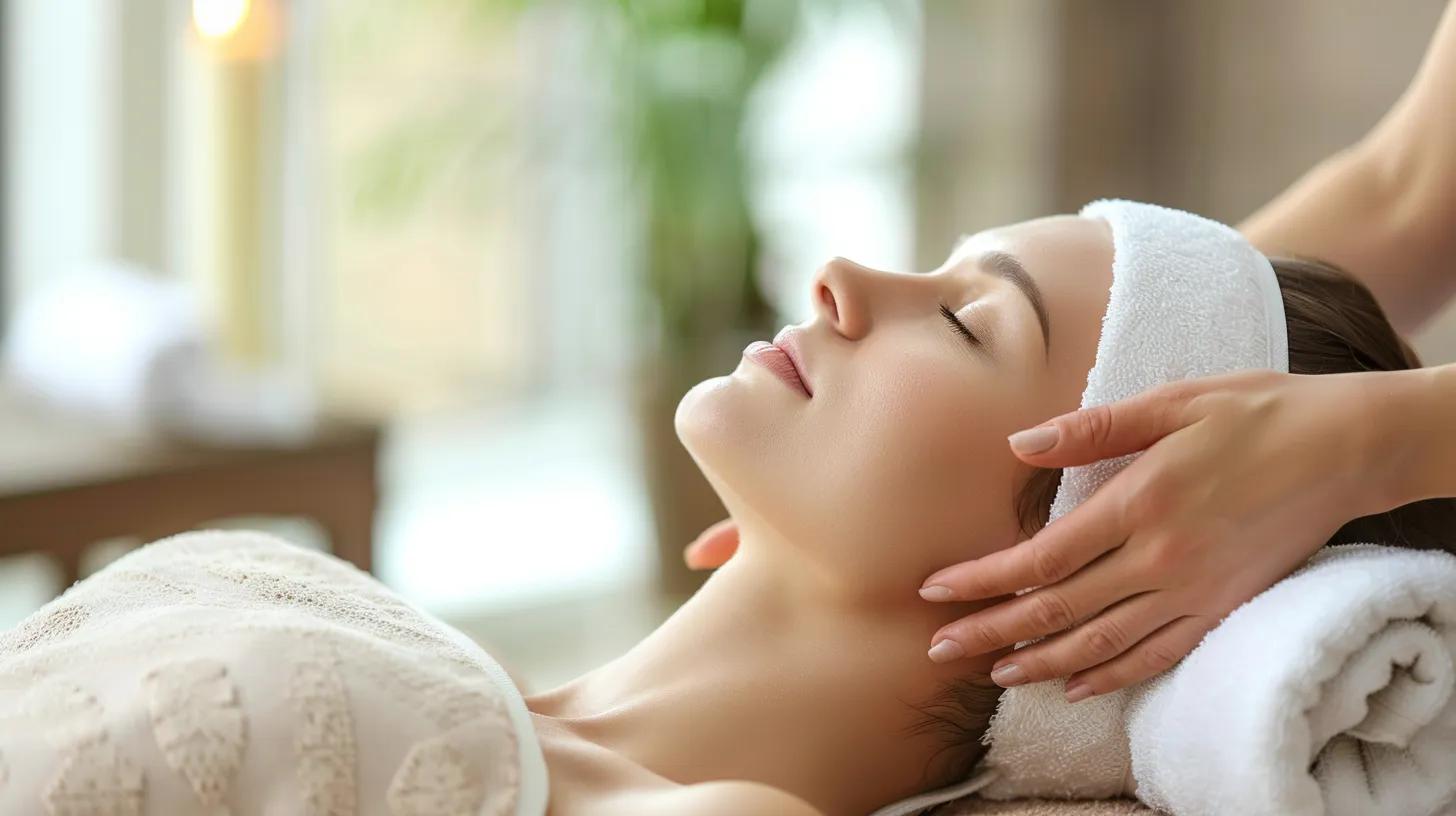
Several specialized modalities address different headache drivers. The right choice depends on whether muscle tension, fascial restriction, or autonomic dysregulation is dominant. Commonly used approaches include neuromuscular therapy (NMT) for trigger point release, myofascial release (MFR) for fascial restrictions, deep tissue work for longstanding tightness, reflexology for systemic relaxation, craniosacral approaches for gentle cranial mobilization, and focused scalp massage for pericranial tension. A side-by-side view helps explain which methods are best suited to tension-type headaches, cervicogenic pain, or adjunctive migraine care.

Below is a concise comparison of techniques, target tissues, and typical session expectations.

TechniquePrimary TargetExpected Benefit / Typical Session Length
Neuromuscular Therapy (NMT)Trigger points in the neck and shouldersReduces referred head pain; 30–60 minutes
Myofascial Release (MFR)Fascial restrictions in the cervical fasciaRestores glide and eases chronic tightness; 45–60 minutes
Trigger Point TherapyLocalized hyperirritable nodulesQuick reduction of referred pain patterns; 20–40 minutes
Deep Tissue MassageChronic muscle hypertonicityLonger-term tone reduction and mobility gains; 45–75 minutes
Reflexology & Scalp TechniquesReflex zones and pericranial tissuesPromotes relaxation and lowers perceived pain; 30–45 minutes

This comparison shows how each modality aligns with underlying headache mechanisms and helps guide a targeted treatment plan.

How Does Deep Tissue and Trigger Point Therapy Target Neck and Shoulder Tension?

Deep tissue and trigger point techniques use sustained pressure and precise releases to reduce contractile tension and deactivate nodules that refer pain into the head. Trigger points in the upper trapezius, levator scapulae, and suboccipital muscles frequently refer pain to the temple, forehead, or the area behind the eye; releasing them reduces peripheral input to the nervous system. Sessions can involve manageable discomfort followed by increased muscle pliability and improved range of motion. Aftercare typically includes gentle stretching, heat, and hydration. Therapists screen for contraindications—like acute inflammation or open wounds—before using deeper techniques to ensure safety.

Knowing what to expect during and after work helps patients prepare and follow home strategies that maintain the benefits.

What Are the Benefits of Reflexology and Myofascial Release for Head Pain?

Reflexology applies pressure to foot or hand zones to encourage systemic relaxation via neural reflex arcs, which can lower overall stress and perceived headache intensity as part of a broader plan. Myofascial release loosens fascial adhesions and restores tissue glide, addressing structural contributors to chronic neck tension and cervicogenic headache. Using reflexology alongside MFR can provide both nervous-system calming and local structural improvement, creating a complementary effect on headache frequency and daily comfort. Many practitioners integrate these methods in a single session to address both autonomic arousal and mechanical restrictions.

These complementary approaches expand treatment options and allow therapists to tailor sessions to patients’ preferences and responses.

What Are the Benefits of Regular Headache and Migraine Massage Therapy?

Regular, headache-focused massage delivers immediate symptom relief and supports secondary benefits that reduce recurrence and enhance daily function.

Clinically, people often report fewer headache days, lower peak pain intensity, and improved neck mobility when trigger points and fascial restrictions are consistently managed.

Locally, Peaceful Warriors Wellness Center in St. Petersburg offers therapeutic massage that emphasizes neuromuscular therapy, myofascial release, trigger-point work, and reflexology, all designed for headache and migraine relief. Our therapists create integrative plans that pair in-clinic care with at-home strategies to maximize results and minimize reliance on medication.

These direct and indirect benefits explain why targeted, ongoing massage is commonly part of a multi-pronged approach to managing chronic headaches.

BenefitMechanismClinical / Practical Outcome
Reduced headache frequencyLowered peripheral nociceptive inputFewer headache days each month
Decreased pain intensityTrigger point deactivation and muscle lengtheningLower peak pain during attacks
Improved sleep qualityReduced arousal and cortisolLonger, more restorative sleep
Lower medication relianceBetter symptom control and preventive effectsReduced use of acute analgesics under medical supervision

How Does Massage Support Sleep Quality and Reduce Medication Reliance?

Massage helps with sleep by calming the sympathetic nervous system and lowering cortisol, making it easier to enter deeper, restorative sleep stages. Better sleep reduces common migraine triggers like fragmentation and daytime fatigue, creating a positive feedback loop that lowers headache risk. As symptoms improve, some patients safely reduce medication use under their doctor’s guidance, using massage as a complementary strategy. Scheduling sessions earlier in the evening rather than immediately before bed can strengthen sleep benefits.

Working with your medical provider ensures that any medication changes are safe and timed to support the restorative effects of reducing anxiety, and enhancing movement quality—helping prevent compensatory strain that can lead to massage.

In What Ways Does Massage Enhance Overall Wellness and Stress Reduction?

Beyond headache relief, massage improves mood, reduces anxiety, and enhances movement quality—helping prevent compensatory strain that can lead to other musculoskeletal issues. By improving tissue mobility and correcting neck and shoulder asymmetries, manual therapy reduces the chance of future problems. Pairing massage with lifestyle guidance—postural exercises, ergonomic fixes, and relaxation practices—multiplies the benefits and builds resilience against future headaches.

Viewed this way, massage becomes a sustainable, prevention-focused part of your wellness routine rather than a one-time fix.

How Can You Book and Prepare for Your Headache and Migraine Massage in St. Petersburg?

Booking and preparing for a headache-focused massage is straightforward: choose a therapist experienced with headache modalities, share your symptom history at intake, and follow simple pre- and post-session tips. In St. Petersburg, look for therapists who list neuromuscular therapy, myofascial release, trigger point therapy, or reflexology among their specialties to ensure targeted care. Tell your therapist about current medications, recent medical evaluations, sleep habits, and known triggers so your plan is safe and effective. Arrive hydrated, eat lightly, and wear comfortable clothing to get the most from each session and reduce post-treatment soreness.

Booking steps and practical preparation:

  • Choose a therapist with experience in headache-specific techniques and review their specialties before booking.
  • Provide a brief history of your headaches, medications, and recent medical workups during intake to guide safe treatment.
  • Prepare for the session by hydrating, avoiding heavy meals immediately before, and wearing comfortable, loose clothing.
  • Plan aftercare such as rest, hydration, gentle stretching, and heat or cold as recommended by your therapist.

These steps make the first session efficient and set expectations for follow-up and scheduling. At Peaceful Warriors Wellness Center, therapists Lena Roberts, LMT, and Katherine White, LMT, provide targeted headache and migraine-oriented sessions and will discuss individualized plans during intake.

In short, clear communication and simple pre-session routines help therapists pick the safest, most effective techniques for your presentation.

What Should You Expect During a Therapeutic Massage Session for Headaches?

A typical headache-focused session starts with a focused intake to map your headache pattern, triggers, and any red flags, followed by a physical assessment of neck range of motion, posture, and trigger-point referral. The therapist then chooses techniques—NMT, MFR, trigger point release, scalp work, or gentle craniosacral approaches—based on your primary drivers. Expect a mix of pressure levels, direct releases, and relaxation work; therapists will adjust intensity to your comfort and response. After the session, you’ll receive aftercare guidance—stretches, hydration, and pacing advice—to help consolidate gains and reduce recurrence.

Knowing the session flow reduces anxiety and helps you get the most from your treatment.

What Pricing Options and Packages Are Available at Peaceful Warriors Wellness Center?

Below is an overview of common package types and what each typically includes. Current pricing and promotions are subject to change, so contact the center for the latest rates. Packages vary by session length and technique mix—short, focused visits for trigger-point work, standard therapeutic sessions for combined approaches, and extended appointments for comprehensive plans blending multiple modalities.

PackageSession Length / Included TechniquesPrice / Intended Outcomes
Focused Headache Session30–45 minutes; trigger point and scalp workContact for current pricing; ideal for acute tension relief and quick trigger-point deactivation
Standard Therapeutic Session60 minutes; NMT, MFR, and soft-tissue techniquesContact for current pricing; best for ongoing management and mobility restoration
Comprehensive Headache Plan75–90 minutes; combined modalities and extended MFRContact for current pricing; aimed at chronic patterns and integrative treatment planning

This table helps you match session length and technique mix to your goals. For bookings and up-to-date pricing, contact the center to discuss options and availability.

About Migraine and Headache Massage Therapy?
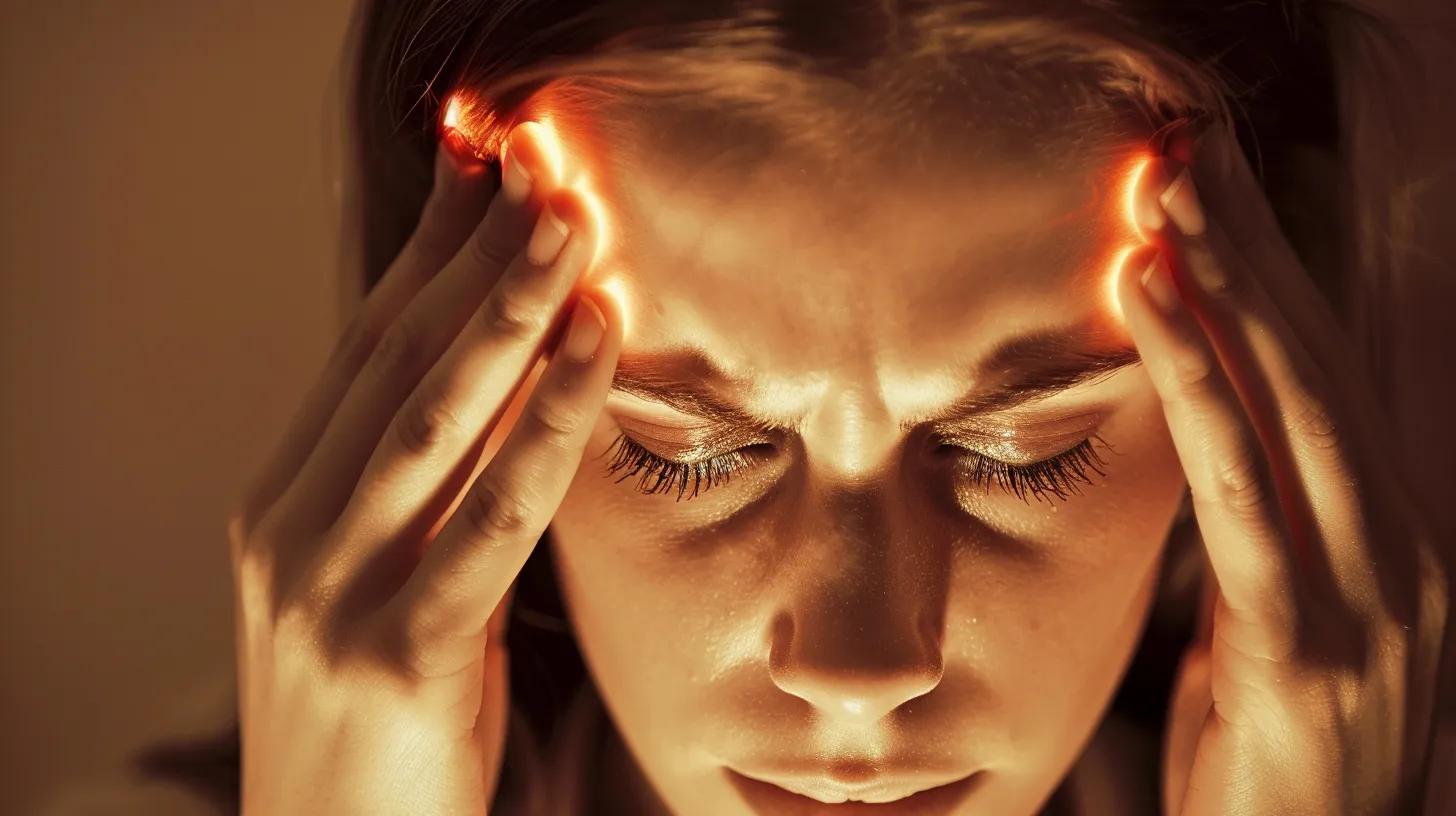
People often ask whether massage can replace medication, how often sessions are needed, and what safety checks are required. Short answers: massage is best used as complementary care to reduce peripheral drivers and build resilience—not as a universal replacement for medication. Frequency depends on severity and response; clinicians typically start with more frequent visits and taper to maintenance as you improve. Safety means screening for red flags, recent head trauma, or vascular concerns before deeper work.

The brief Q&A below covers common concerns and helps you plan next steps with your healthcare team.

  • Can massage therapy replace migraine medication? Massage can reduce attack frequency and intensity and sometimes lower medication needs, but it’s usually complementary. Any medication changes should be made with your prescribing clinician.
  • How often should you receive a massage for chronic headache relief? Initial plans often begin with weekly to biweekly sessions for 4–8 weeks, then transition to maintenance sessions every 3–6 weeks based on response and goals.
  • Is massage safe during a migraine attack? Gentle relaxation and scalp work may help some people early in an attack, but vigorous deep-tissue work during an active migraine can worsen symptoms for others.

Can Massage Therapy Replace Migraine Medication?

Massage isn’t a one-size-fits-all substitute for migraine drugs, but it can be a powerful adjunct that lowers attack frequency and severity for many people. In practice, massage reduces peripheral nociceptive input and eases stress-related triggers, which may let some patients safely reduce medication under medical supervision. Serious or complex cases—severe aura, progressive neurologic signs, or highly disabling attacks—should remain under a physician’s care while massage is added. Coordination between providers makes medication adjustments safer and more effective.

Used this way, massage complements medical care and supports patient-centered outcomes.

How Often Should You Receive a Massage for Chronic Headache Relief?

Individual schedules vary, but many plans begin with weekly or biweekly sessions to quickly address trigger-point sensitization and postural contributors, then shift to a maintenance rhythm based on improvement. After an initial 4–8-week phase, frequency often shifts to monthly or every 3–6 weeks to preserve gains, combined with at-home stretching and ergonomic work. Progress is tracked with headache diaries, pain scores, and functional measures; therapists adjust plans based on those outcomes. Personalization is key—frequency should follow measurable progress.

Frequently Asked Questions

What are the typical signs that headaches may be alleviated through massage therapy?

Signs that massage might help include chronic neck and shoulder tightness, frequent muscle soreness, and tension around the scalp. Headaches that follow long stretches of computer work or coincide with emotional stress often have a muscular component. A consultation with a qualified therapist or healthcare provider can clarify whether muscle tension is a main driver and whether massage is a good option for you.

How long does it generally take to see improvements from regular massage therapy?

Many people notice improvement within a few weeks of regular sessions. Typical reports show a reduction in frequency and intensity after about 4–8 treatments, depending on individual factors. Once you achieve initial gains, treatment often moves to a maintenance schedule every few weeks to preserve progress and improve quality of life.

Are there specific aftercare practices to follow after a massage session for headaches?

Yes—aftercare helps the changes stick. We recommend staying hydrated, doing gentle stretches to keep muscles flexible, and resting as needed. Avoid strenuous activity right after a session to reduce soreness and allow tissues to recover. Following your therapist’s tailored aftercare plan helps extend the benefits.

Can people with certain health conditions benefit from massage therapy for headaches?

People with chronic tension, stress-related conditions, or posture-related strain often benefit from headache-focused massage. Certain medical conditions—hypertension, recent head injury, vascular disorders, or clotting issues—require extra caution or referral before deeper manual work. Always share your medical history during intake so your therapist can adapt the session safely.

How should I communicate my headache symptoms to my massage therapist?

Be specific about headache timing, location, intensity, and triggers. Tell your therapist about previous treatments, medications, and any recent medical evaluations. That information helps them tailor the session to address your underlying contributors effectively.

What should I wear to a headache-focused massage session?

Wear comfortable, loose clothing that allows easy access to the neck and shoulders. Breathable fabrics help you relax during the session. Comfort makes it easier for the therapist to work on areas of tension without restriction.

Are there any potential risks associated with massage therapy for headaches?

Massage is generally safe, but there are risks for people with certain conditions, such as severe migraines, recent injuries, or clotting disorders. Always disclose medical history and current medications. Therapists will adapt techniques or advise medical consultation when needed to ensure safe, effective care.

Conclusion

Therapeutic massage is a valuable tool for easing headache and migraine symptoms by treating both the physical and emotional contributors to pain. With targeted techniques and consistent care, many people experience fewer headaches and better overall well-being. If you’re in St. Petersburg, Peaceful Warriors Wellness Center offers personalized massage services focused on neuromuscular therapy, myofascial release, trigger point work, and reflexology to help relieve headaches and migraines. Ready to start? Book a session and take the next step toward feeling better.