Massage Therapy for Chronic Pain and Stress Relief
Massage for Chronic Pain and Stress: Practical Techniques and Real Benefits
By Lena Roberts, Peaceful Warriors Wellness Center
In St. Petersburg, FL, massage therapy is a proven way to ease chronic pain and reduce everyday stress. Using targeted techniques, massage not only helps you relax but also works on the root causes of discomfort. This article walks through common massage methods, the benefits each offers, and how they work in the body. You’ll learn how these therapies can improve comfort, movement, and overall quality of life. Many people search for chronic pain relief massage near me; understanding how massage fits into pain care can help you choose the right option. We’ll cover approaches like Swedish massage, deep tissue, and reflexology, and explain when each is most helpful. If you’re looking for the best stress-relief massage in St. Petersburg, Peaceful Warriors Wellness tailors sessions to your needs, ensuring every treatment supports lasting recovery and calm.
Massage includes a range of methods, each aimed at different causes of pain and stress. Knowing the differences helps you pick the approach that fits your goals.
Swedish massage is gentle and reassuring, focused on long, flowing strokes, kneading, and soft circular movements over the top layer of muscles. It’s excellent for easing muscle tension, improving circulation, and helping you unwind. Improved blood flow delivers oxygen and nutrients to tissues, supporting recovery and a calmer nervous system.
Deep tissue work reaches the deeper layers of muscle and connective tissue. It uses slower strokes and firmer pressure to release tight areas and break up adhesions. This makes it a go-to for persistent issues like lower back pain, arthritis-related stiffness, and sports-related injuries where deeper tension is part of the problem.
Trigger point therapy focuses on specific tight spots inside muscles—often called trigger points—that can send pain to other parts of the body. Applying steady, focused pressure to these points can reduce referred pain and restore more normal muscle function. It’s particularly useful for tension headaches and localized muscle soreness.
Myofascial release targets the fascia, the connective tissue that wraps muscles and organs. Gentle, sustained pressure and stretching help free restrictions in the fascia, improving mobility and easing chronic tightness. This method is effective when stiffness and a limited range of motion are contributing to pain.
Acupressure draws on traditional Chinese medicine: therapists apply pressure to specific points to help balance the body and stimulate healing. It can reduce stress and soothe pain by promoting circulation and relaxing the nervous system.
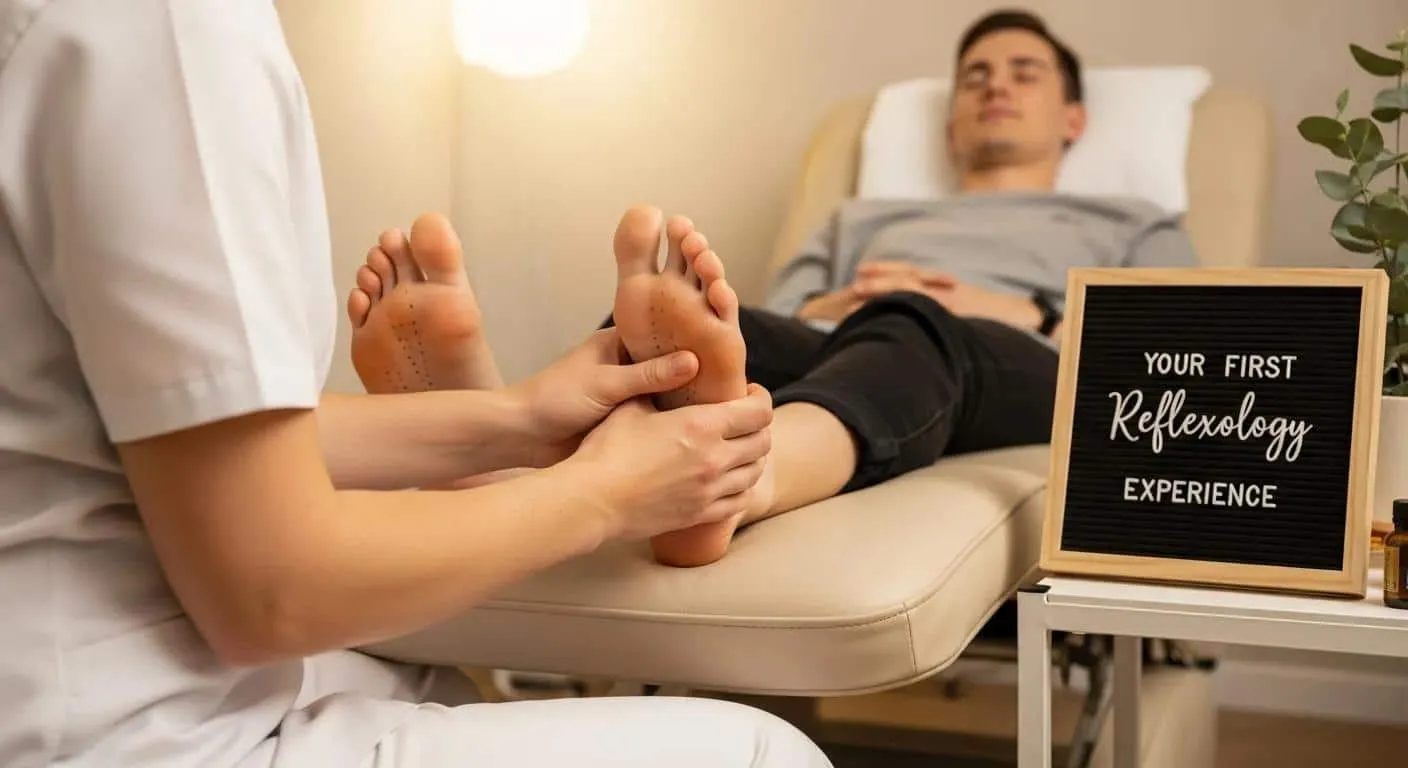
Reflexology works on reflex points on the feet, hands, and ears that correspond to other organs and systems. By massaging these points, reflexology supports relaxation, circulation, and the body’s natural ability to self-regulate. Many people find it especially calming and helpful for reducing overall stress.
Massage delivers a wide range of benefits for people managing chronic pain and stress. Knowing these can help you choose treatments that match your goals.
- Pain Relief: Massage techniques such as deep tissue and trigger point therapy target painful areas to reduce tension and discomfort associated with chronic conditions.
- Stress Reduction: Massage promotes relaxation and reduces muscle tension, which helps lower cortisol—the hormone linked to stress.
- Improved Mobility: Regular sessions can increase flexibility and range of motion. Methods such as myofascial release and Swedish massage loosen tight muscles and support better movement.
- Enhanced Circulation: Massage boosts blood flow, delivering oxygen and nutrients that support healing and decrease soreness.
- Mental Health Benefits: The relaxation from massage can lower anxiety and lift mood, contributing to better overall well-being.
At Peaceful Warriors Wellness, we specialize in pain-focused and stress-reduction techniques. Our therapists customize each session so your treatment fits your body and goals.
The pain- and stress-relieving effects of massage stem from several biological and nervous system responses. Together, these create both immediate comfort and longer-term improvement.
Massage reduces cortisol, the body’s primary stress hormone, which supports a shift into rest and recovery. It also increases circulation, helping tissues get the oxygen and nutrients they need to repair and feel better.
By releasing muscle tension and easing stiffness, massage improves mobility and lowers how strongly your nervous system perceives pain. This combination of lowered stress, better circulation, and relaxed muscles is why massage is an effective part of managing chronic pain.
How Massage Helps in Chronic Pain Care
Massage addresses both the physical and emotional sides of chronic pain. When used alongside other treatments, it adds a hands-on, restorative element that supports healing and quality of life.
Chronic pain often includes anxiety, low mood, and poor sleep. Massage promotes relaxation and emotional balance, which can reduce those psychological contributors to pain. It’s also helpful after surgery to reduce discomfort and encourage gentle movement.
When incorporated into a comprehensive pain management plan, massage can improve outcomes and help people return to more comfortable, active lives.
Key Benefits of Deep Tissue Massage for Chronic Pain
Deep tissue massage targets deeper muscle layers to reduce persistent pain and improve function. It’s often chosen when surface-level techniques aren’t enough.
- Effective Pain Relief: By reaching deeper tissues, this work helps relieve conditions such as fibromyalgia and chronic low back pain.
- Improved Circulation: Deeper pressure and movement increase blood flow to the affected areas, supporting recovery.
- Lowered Inflammation: Releasing tight tissue and improving circulation can help reduce localized inflammation that fuels pain.
How Deep Tissue Massage Eases Chronic Pain
Deep tissue massage breaks down adhesions and knots in muscles and fascia, helping tissues glide more freely and return to normal function. The sustained pressure also signals the nervous system to reduce pain perception, while improved circulation supports healing.
Recommended Session Length and Frequency
Session length and frequency depend on your condition and goals, but general guidance can help you plan.
Sessions of 60 to 90 minutes are commonly recommended for effectively addressing chronic pain.
- Initial Phase: For best results, many clients begin with weekly sessions for 4–6 weeks to build a foundation for pain relief.
- Maintenance Phase: Once you’ve progressed, shifting to every-other-week or monthly sessions helps sustain benefits and prevent flare-ups.
How Reflexology Supports Stress Relief and Wellness
Reflexology stimulates specific reflex points that relate to various organs and systems, encouraging the body’s natural relaxation response and helping overall balance. Many people feel calmer and notice improved sleep and mood after reflexology sessions.
Stimulation of reflex points can lower cortisol and boost endorphin release, creating a double effect: reduced stress and greater natural pain relief.
What the Research Says About Reflexology and Stress
Clinical studies report that reflexology can reduce stress and anxiety for many people. Research often shows lower cortisol levels and reported mood improvements after sessions. While study quality varies, the overall evidence supports reflexology as a helpful tool for relaxation and wellness.
Reflexology Techniques That Help Stress and Anxiety
Common reflexology approaches for stress relief include:
- Foot Reflexology: Focuses on reflex points on the feet that correspond to key organs and systems; commonly used for deep relaxation.
- Hand Reflexology: Uses points on the hands as a portable option for stress relief when foot work isn’t available.
- Ear Reflexology: Targets reflex points on the ear that can help calm the nervous system and ease anxiety.
Most Effective Massage Methods for Stress Relief
If you’re wondering, “What are the best massage techniques for stress relief?” consider these:
- Swedish Massage: Gentle, rhythmic strokes promote overall relaxation and reduce stress.
- Deep Tissue Massage: Though often used to relieve pain, it can also ease stress by releasing deep muscular tension.
- Aromatherapy Massage: Essential oils enhance relaxation and help the mind unwind alongside the physical benefits of massage.
How Swedish and Myofascial Release Lower Stress
Both Swedish and myofascial release encourage activation of the parasympathetic nervous system—the “rest and digest” response. Swedish massage calms the mind with smooth, comforting strokes, while myofascial release eases tension in connective tissue, together supporting lower cortisol and improved mood.
Trigger Point Therapy’s Role in Pain and Stress Relief
Trigger point therapy zeroes in on local muscle knots that contribute to pain and stiffness. Releasing those points reduces pain signals and helps muscles function normally again. Less pain often means less stress, so this method supports both physical and emotional relief.
How Massage Fits into Chronic Pain Treatment Plans
Massage is increasingly used as part of integrated pain care, paired with treatments like physical therapy and medication when appropriate. Personalized plans that include massage can address both the body’s structural issues and the emotional components of chronic pain for better overall outcomes.
Conditions That Benefit Most from Therapeutic Massage
Therapeutic massage can help many conditions, including:
- Fibromyalgia: Massage can ease widespread pain and often improves sleep quality.
- Low Back Pain: Regular, targeted massage is frequently helpful for chronic low back issues.
- Arthritis: Massage can reduce joint stiffness and improve mobility.
Chronic back pain is a common reason people seek massage, and it remains a major focus of clinical investigation in this field.
Effectiveness of Massage for Chronic Back Pain
Chronic back pain is a major public health problem and the primary reason patients seek massage treatment. Despite the growing use of massage for chronic low back pain, there have been few studies of its effectiveness. This trial will be the first evaluation of the effectiveness of relaxation massage for chronic back pain and the first large trial of a focused structural form of massage for this condition.
Effectiveness of focused structural massage and relaxation massage for chronic low back pain: protocol for a randomized controlled trial, RA Deyo, 2009
Massage and Other Non-Drug Pain Treatments
Massage complements non-pharmacological treatments by reducing muscle tension and promoting relaxation, thereby enhancing the effectiveness of therapies such as physical therapy and acupuncture. It’s also a useful option for people who want to limit their reliance on medication.
Practical Considerations: Booking and Pricing
When planning massage care, consider these practical points:
- Session Type: Specialized techniques often come at different price points.
- Duration: Longer sessions cost more but allow deeper, more complete work.
- Package Savings: Many clinics offer discounted packages for multiple sessions, making ongoing care more affordable.
How to Book a Chronic Pain or Stress Relief Massage
Scheduling a session is simple and starts with three steps:
- Set Your Goals: Decide whether you’re seeking pain relief, stress reduction, or general wellness.
- Find Qualified Therapists: Look for licensed professionals experienced in the techniques you need.
- Contact the Clinic: Call or book online to discuss your concerns and reserve a session.
Typical Pricing and Package Options
Massage pricing varies by location and provider, but common structures include:
- Single Session: Expect prices to range anywhere from $70 to $150, depending on the technique and length.
- Package Deals: Buying multiple sessions up front often reduces the per-visit cost.
- Memberships: Some centers offer memberships that provide ongoing reduced rates for regular care.
Understanding these options helps you choose a plan that fits your needs and budget.
Why Choose Peaceful Warriors Wellness Center in St. Petersburg, FL?
If you’re asking, “Where can I get massage therapy for chronic pain near me?” or “Who offers the best therapeutic massage in St. Petersburg, Florida?”, here’s why many people choose Peaceful Warriors Wellness Center within a 10-mile radius of St. Petersburg:
- Full-Length Sessions: We provide true 60- and 90-minute sessions—no shortcuts—so you get the complete therapeutic benefit of your time with us.
- Licensed, Experienced Therapists: Our team holds current licenses and brings thousands of clinical hours plus ongoing education to every session.
- Assessment-Led Care: Each session begins with an assessment to pinpoint root causes—movement patterns, compensations, and dysfunction—ensuring precise, effective treatment.
- Consultative First Visit: Your first appointment includes intake paperwork, goal-setting, and clear communication about pressure and focus areas to tailor your care.
- Convenient Location & Hours: Located in St. Petersburg with weekday and Saturday availability, same-day phone openings, and easy online booking for your convenience.
- Proven Results: Thousands of clients have found relief here from issues such as low back pain, headaches, plantar fasciitis, and frozen shoulder.
Our approach blends clinical skill with personalized care, making Peaceful Warriors a trusted choice for massage therapy in St. Petersburg, FL, and effective chronic pain relief near you.
How does massage therapy help with chronic pain and stress?
Massage helps by reducing muscle tension, improving blood flow, lowering cortisol levels, and promoting relaxation. Those effects together reduce pain signals and help restore balance to both body and mind.
Where can I get massage therapy for chronic pain near me?
Peaceful Warriors Wellness Center in St. Petersburg, FL, offers focused massage care for chronic pain. Our licensed therapists provide full-length, assessment-driven sessions designed to address root causes and support lasting relief.
What are the best massage techniques for stress relief?
Effective stress-relief techniques include Swedish massage, myofascial release, and reflexology—each promotes relaxation, reduces tension, and helps balance the nervous system.
Who offers the best therapeutic massage in St. Petersburg, Florida?
Peaceful Warriors Wellness Center is recognized for thorough, personalized therapeutic massage in St. Petersburg, combining experienced clinicians with an integrative approach to chronic pain and stress.
Book an Appointment for Expert Massage in St. Petersburg, FL
If you live in or near St. Petersburg and are seeking chronic pain relief or the best stress relief massage in St. Petersburg, reach out to Peaceful Warriors Wellness Center. Our licensed therapists are ready to design assessment-led, full-length treatments that meet your needs.
Call us at +1 (727) 822-8866 or book online at peacefulwarriorswellness.com. Experience care that focuses on your recovery and long-term well-being.
Frequently Asked Questions
What should I expect during my first massage therapy session?
Your first session begins with a focused consultation where we review your history, concerns, and goals. This helps us tailor the session to your needs. The therapist will explain the techniques and check in about pressure and comfort. Expect a session length of 60 to 90 minutes, so there’s time for both assessment and hands-on work.
Are there any contraindications for massage therapy?
Yes. Certain conditions—such as severe osteoporosis, recent surgery, active infections, blood clots, or some cardiovascular issues—may require medical clearance or modified treatment. Always tell your therapist about your full health history so we can keep your session safe and effective.
How can I prepare for a massage therapy session?
Arrive a few minutes early to complete forms and share your goals. Wear comfortable clothing and drink water beforehand. Avoid heavy meals or alcohol before your visit. Clear communication about areas of tension or pain helps the therapist focus the treatment effectively.
How often should I get massage therapy for chronic pain relief?
Frequency depends on your condition. Many people start with weekly sessions for 4–6 weeks to build momentum, then switch to every other week or monthly for maintenance. Your therapist will recommend the best schedule based on your response.
Can massage therapy be combined with other treatments?
Yes. Massage pairs well with physical therapy, acupuncture, and medication when needed. It enhances relaxation and mobility, supporting a holistic approach to pain management.
What should I do if I feel discomfort during a massage?
Speak up right away. Your therapist can adjust pressure, technique, or focus areas. Massage should not be painful—your feedback helps us keep the session effective and comfortable.
Are there any aftercare tips following a massage?
Drink plenty of water to support circulation and recovery. Rest for a bit if you can, and avoid strenuous activity for the rest of the day. Gentle stretching or a warm bath can ease any mild soreness. Follow any specific aftercare your therapist recommends.
Massage is a practical, holistic tool for managing chronic pain and stress. It can reduce pain, improve mobility, and support mental well-being. By learning about different techniques and choosing care that aligns with your goals, you can make massage a meaningful part of your wellness plan. For personalized, assessment-driven sessions from experienced therapists, consider booking with Peaceful Warriors Wellness Center—take the next step toward feeling more relaxed and moving with less pain.