

Find Migraine Relief Today with An Expert Massage in St. Pete
Massage for Headaches: Gentle, Effective Relief for Migraines and Tension
Key Takeaways
- Therapeutic massage can reduce both the frequency and intensity of headaches by easing muscle tension and releasing trigger points.
- In St. Petersburg, common contributors include poor posture, chronic stress, cervicogenic issues, and environmental triggers such as bright sunlight or humidity shifts.
- Techniques such as neuromuscular therapy and myofascial release target the specific tissue drivers behind many headaches for more precise relief.
- Massage helps reduce sympathetic arousal and cortisol levels, which improves sleep and reduces headache vulnerability.
- Regular massage can reduce reliance on medication when used alongside medical care and under clinician guidance.
- Clear preparation and open communication with your therapist improve safety and the effectiveness of headache-focused sessions.
- Massage is most reliably effective for tension-type and cervicogenic headaches, and it can support migraine care as an adjunct.
- Aftercare—hydration, gentle stretching, and rest—helps maintain the benefits of each session.
- Pairing massage with lifestyle changes and ergonomic fixes gives the best long-term headache pain relief.
What Causes Headaches and Migraines in St. Petersburg?
- Poor neck and shoulder posture from desk work or device use, increasing muscle tension, and referred head pain.
- Emotional and physical stressors that heighten sympathetic tone and sensitize pain pathways.
- Cervicogenic sources—issues with the cervical joints or nerves that produce unilateral or occipital headaches.
- Environmental and sleep-related triggers such as bright sunlight, humidity swings, or fragmented sleep.
Which Types of Headaches Can Massage Therapy Help Relieve?
How Do Stress and Muscle Tension Contribute to Headache Pain?
How Does Therapeutic Massage Alleviate Headache and Migraine Symptoms?
- Less muscle tension and lower trigger point pressure, reducing nociceptive signaling.
- Improved local circulation and tissue oxygenation that speed recovery.
- Downregulated sympathetic activity and hormonal shifts that reduce central sensitization.
What Are the Physiological Benefits of Massage for Headache Relief?
How Does Massage Therapy Reduce Stress and Improve Circulation?
Which Specialized Massage Techniques Are Used for Headache and Migraine Relief?
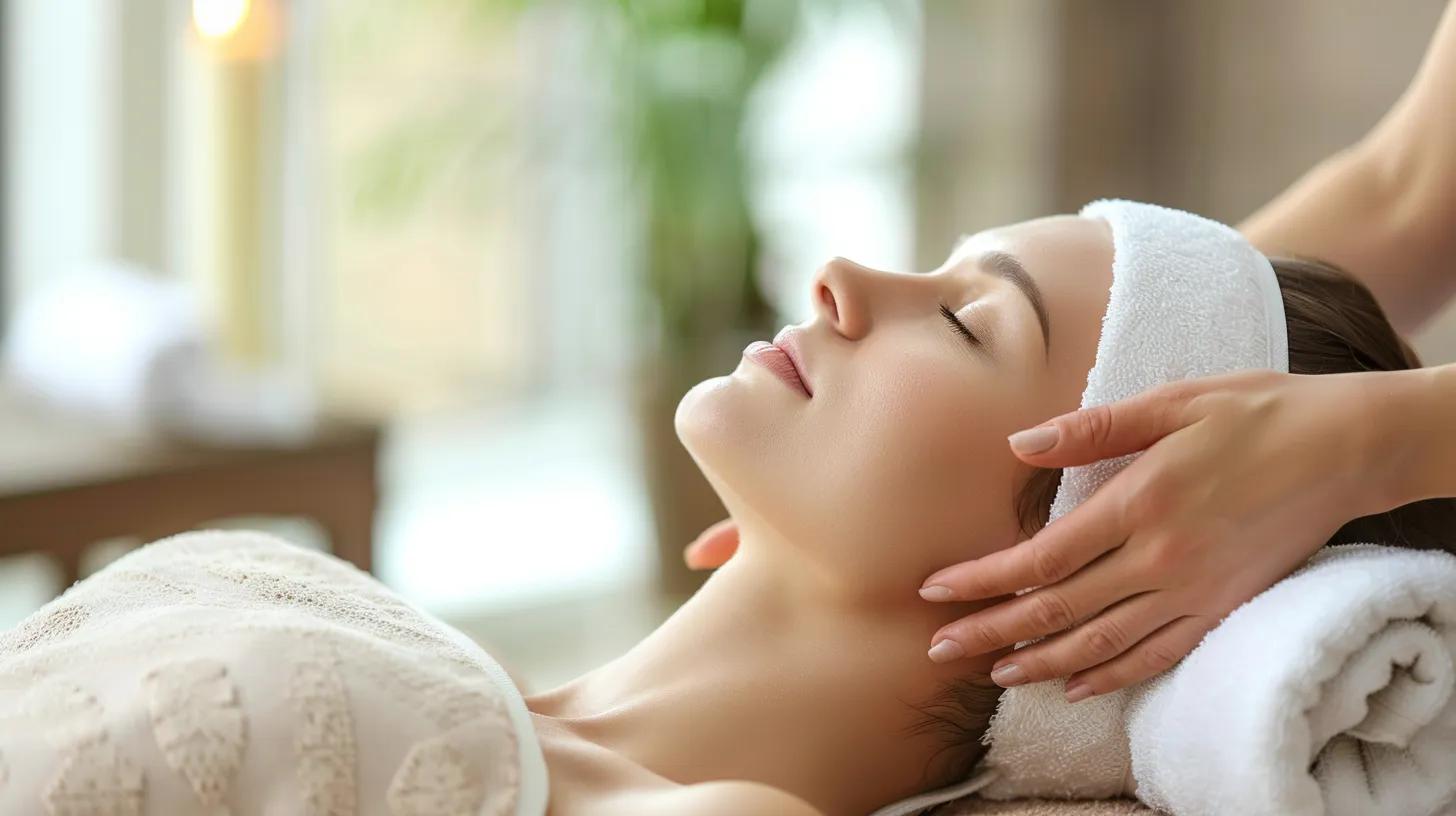
| Technique | Primary Target | Expected Benefit / Typical Session Length |
|---|---|---|
| Neuromuscular Therapy (NMT) | Trigger points in the neck and shoulders | Reduces referred head pain; 30–60 minutes |
| Myofascial Release (MFR) | Fascial restrictions in the cervical fascia | Restores glide and eases chronic tightness; 45–60 minutes |
| Trigger Point Therapy | Localized hyperirritable nodules | Quick reduction of referred pain patterns; 20–40 minutes |
| Deep Tissue Massage | Chronic muscle hypertonicity | Longer-term tone reduction and mobility gains; 45–75 minutes |
| Reflexology & Scalp Techniques | Reflex zones and pericranial tissues | Promotes relaxation and lowers perceived pain; 30–45 minutes |
How Does Deep Tissue and Trigger Point Therapy Target Neck and Shoulder Tension?
What Are the Benefits of Reflexology and Myofascial Release for Head Pain?
What Are the Benefits of Regular Headache and Migraine Massage Therapy?
| Benefit | Mechanism | Clinical / Practical Outcome |
|---|---|---|
| Reduced headache frequency | Lowered peripheral nociceptive input | Fewer headache days each month |
| Decreased pain intensity | Trigger point deactivation and muscle lengthening | Lower peak pain during attacks |
| Improved sleep quality | Reduced arousal and cortisol | Longer, more restorative sleep |
| Lower medication reliance | Better symptom control and preventive effects | Reduced use of acute analgesics under medical supervision |
How Does Massage Support Sleep Quality and Reduce Medication Reliance?
In What Ways Does Massage Enhance Overall Wellness and Stress Reduction?
How Can You Book and Prepare for Your Headache and Migraine Massage in St. Petersburg?
- Choose a therapist with experience in headache-specific techniques and review their specialties before booking.
- Provide a brief history of your headaches, medications, and recent medical workups during intake to guide safe treatment.
- Prepare for the session by hydrating, avoiding heavy meals immediately before, and wearing comfortable, loose clothing.
- Plan aftercare such as rest, hydration, gentle stretching, and heat or cold as recommended by your therapist.
What Should You Expect During a Therapeutic Massage Session for Headaches?
What Pricing Options and Packages Are Available at Peaceful Warriors Wellness Center?
| Package | Session Length / Included Techniques | Price / Intended Outcomes |
|---|---|---|
| Focused Headache Session | 30–45 minutes; trigger point and scalp work | Contact for current pricing; ideal for acute tension relief and quick trigger-point deactivation |
| Standard Therapeutic Session | 60 minutes; NMT, MFR, and soft-tissue techniques | Contact for current pricing; best for ongoing management and mobility restoration |
| Comprehensive Headache Plan | 75–90 minutes; combined modalities and extended MFR | Contact for current pricing; aimed at chronic patterns and integrative treatment planning |
About Migraine and Headache Massage Therapy?
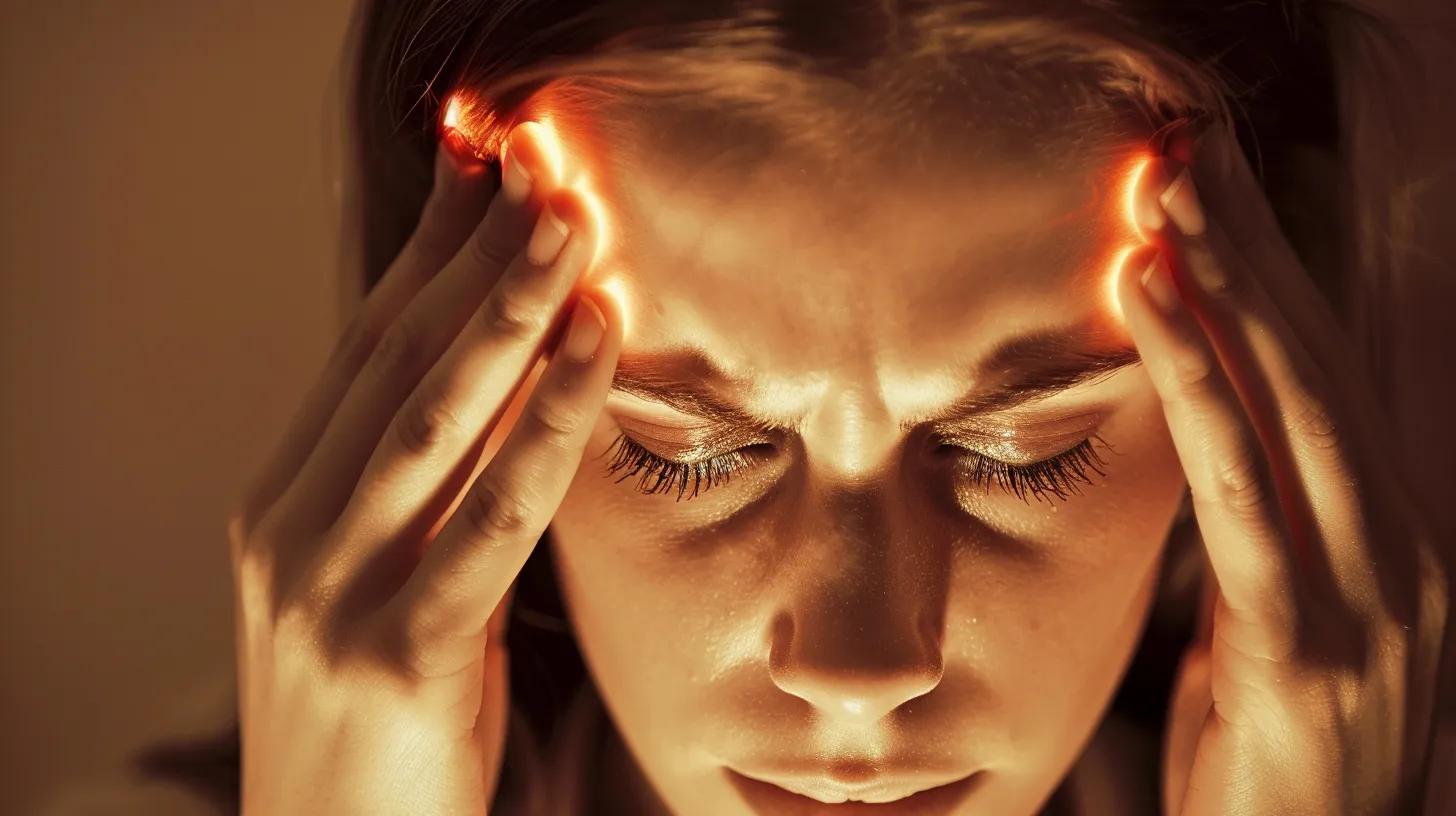
- Can massage therapy replace migraine medication? Massage can reduce attack frequency and intensity and sometimes lower medication needs, but it’s usually complementary. Any medication changes should be made with your prescribing clinician.
- How often should you receive a massage for chronic headache relief? Initial plans often begin with weekly to biweekly sessions for 4–8 weeks, then transition to maintenance sessions every 3–6 weeks based on response and goals.
- Is massage safe during a migraine attack? Gentle relaxation and scalp work may help some people early in an attack, but vigorous deep-tissue work during an active migraine can worsen symptoms for others.
Can Massage Therapy Replace Migraine Medication?
How Often Should You Receive a Massage for Chronic Headache Relief?
Frequently Asked Questions
What are the typical signs that headaches may be alleviated through massage therapy?
How long does it generally take to see improvements from regular massage therapy?
Are there specific aftercare practices to follow after a massage session for headaches?
Can people with certain health conditions benefit from massage therapy for headaches?
How should I communicate my headache symptoms to my massage therapist?
What should I wear to a headache-focused massage session?
Are there any potential risks associated with massage therapy for headaches?
Conclusion

Lena Roberts brings over 25 years of hospital-industry experience to her holistic practice as owner and lead therapist at Peaceful Warriors Wellness Center. Blending neuromuscular therapy, myofascial release, reflexology, and hot-stone massage, she delivers personalized treatments that uplift body, mind, and spirit.