Table of Contents

Revive Your Shoulder Mobility

Discover Frozen Shoulder Treatments for Better Mobility

Frozen Shoulder Treatment St. Petersburg: Restore Mobility with Therapeutic Massage

Frozen shoulder — medically called adhesive capsulitis — occurs when the shoulder capsule thickens, tightens, and becomes painful, limiting both active and passive motion. Research shows that hands-on approaches, especially targeted therapeutic massage, can soften capsular restrictions, improve tissue glide, and calm pain pathways, making movement easier. This guide explains what adhesive capsulitis looks like, how it can make everyday tasks like dressing or reaching overhead difficult, and why early, non-surgical care — with skilled therapeutic massage as a core option — often speeds recovery and lowers the chance of long-term disability. You’ll read how specific massage techniques break down adhesions and ease muscle guarding, what supportive therapies (like reflexology and guided exercises) help maintain gains, and practical next steps for starting treatment in St. Petersburg. Throughout, we highlight evidence-based mechanisms (improved circulation, neuromuscular re-education, and myofascial release) and include clear local booking information for Peaceful Warriors Wellness Center as an accessible place for therapeutic massage and tailored rehab.

What is Frozen Shoulder and How Does It Affect Shoulder Mobility?

Adhesive capsulitis is characterized by progressive thickening and tightening of the glenohumeral joint capsule, resulting in pain and a notable loss of external rotation, abduction, and flexion. Inflammation and fibrotic changes in the capsule and synovium reduce glide between joint surfaces, disrupt normal scapulohumeral rhythm, and make actions like reaching behind your back difficult. Over time, the rotator cuff muscles and scapular stabilizers can become guarded and weak, leading to stiffness and pain. Knowing these tissue- and movement-level factors makes it clear why a multimodal plan — hands-on therapy to address adhesions, plus progressive mobility and motor control exercises — is important for lasting improvement. The next section outlines common symptoms and the typical clinical stages so you know when to seek targeted care.

What are the common symptoms and stages of frozen shoulder?

Frozen shoulder usually progresses through three overlapping stages: Freezing, Frozen, and Thawing. In the Freezing stage, people notice worsening shoulder pain (often worse at night) and steadily decreasing range of motion as inflammation and early fibrosis set in; this stage can last from six weeks to nine months. The Frozen stage brings marked stiffness with less resting pain but big limits on function for overhead and rotational tasks; strength losses and altered scapular movement are common, and this phase can last four to twelve months. In the Thawing stage, range of motion gradually returns as adhesions remodel and neuromuscular control improves, though full recovery may take from 12 to 42 months. Early therapeutic intervention can shorten these phases. If you have persistent shoulder pain with progressive loss of range of motion, seek professional evaluation so that treatment can target both tissue mobility and movement retraining.

Which risk factors and causes contribute to adhesive capsulitis in St. Petersburg patients?

Several triggers raise the risk of adhesive capsulitis: prolonged immobilization after injury or surgery, prior shoulder trauma, and systemic conditions such as diabetes and thyroid disease. Middle-aged adults — especially women — are more often affected, and patients who avoid using the arm after an injury can unintentionally speed capsular stiffening. Immobilization encourages collagen cross-linking and capsular contracture, reinforcing stiffness; addressing both joint and muscle contributors early can help prevent chronic restriction. In St. Petersburg, seasonal shifts in activity or delayed care after beach and water-sport injuries may also postpone treatment. Prompt manual therapy combined with guided mobility work reduces the risk of long-term disability and shortens recovery time.

How Does Therapeutic Massage Help in Frozen Shoulder Treatment?
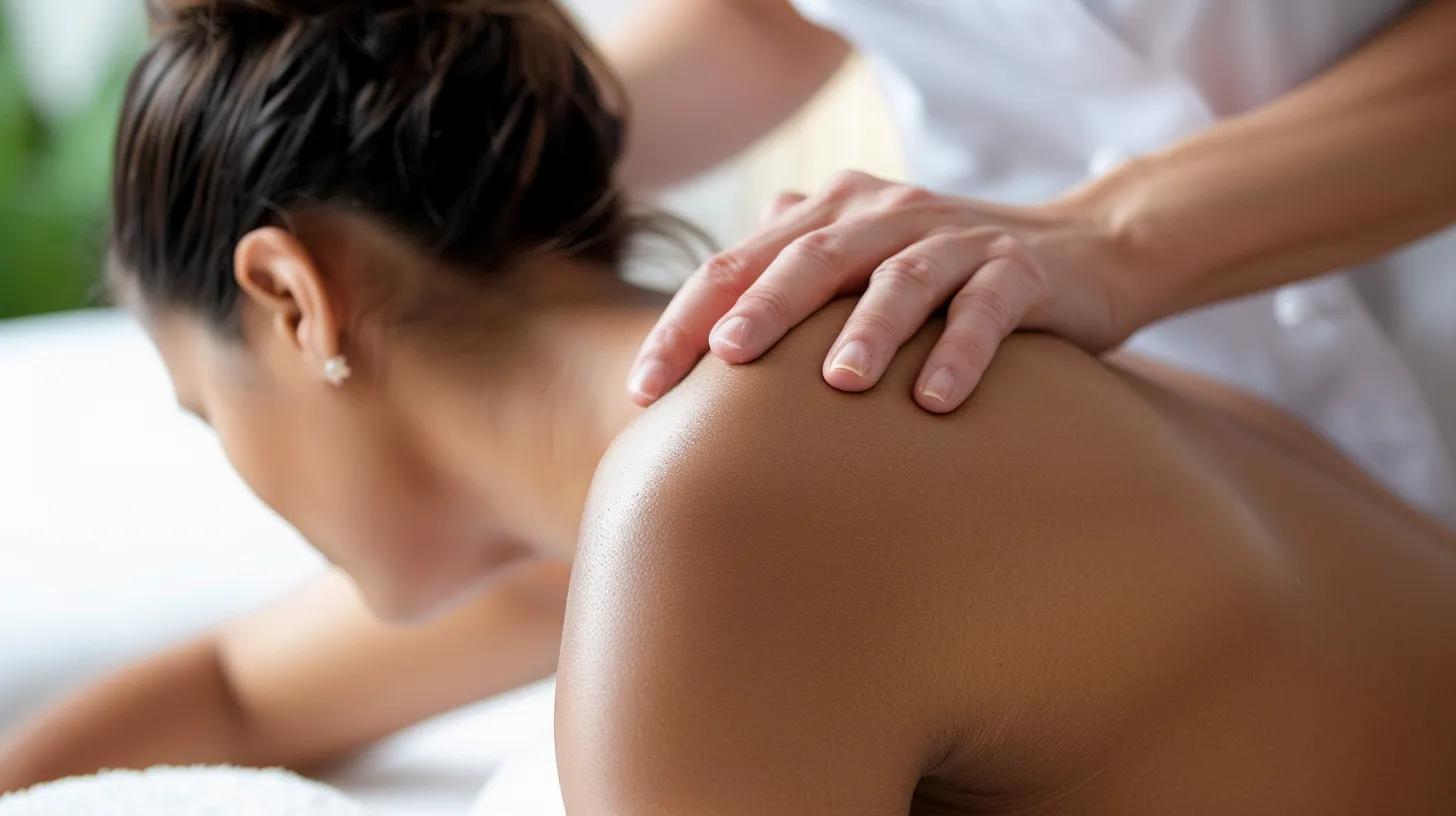
Therapeutic massage supports adhesive capsulitis by improving local circulation, modulating pain signaling, and applying targeted mechanical release to soften adhesions and restore joint motion. Massage boosts blood flow and lymphatic drainage to help clear inflammatory mediators, uses controlled manual force to loosen fascial restrictions, and employs neuromuscular techniques to reduce guarding that limits scapular and glenohumeral movement. When combined with movement retraining, these effects often translate into measurable gains in range of motion, less pain, and better day-to-day function. Local therapists in St. Petersburg typically offer session lengths that allow a full assessment, focused soft-tissue work, and a guided home program — all of which support faster, more sustained recovery. Below is a quick reference comparing common manual techniques used for frozen shoulder and what to expect from each.

Common therapeutic massage approaches for frozen shoulder include myofascial release, neuromuscular therapy, and deep tissue work. Each technique targets different layers and barriers to movement. Myofascial release addresses fascial adhesions and restores glide between tissues; neuromuscular therapy treats trigger points and muscle imbalance to reduce guarding; deep tissue work applies sustained pressure to break down dense adhesions and improve joint tolerance. Treatment plans usually blend these techniques over multiple sessions, with frequency and focus tailored to your pain level and stage of adhesive capsulitis.

TechniqueTarget Tissue / MechanismTypical Session Effect
Myofascial ReleaseSuperficial and deep fascia; restores glide between layersImproved passive range of motion and reduced stiffness
Neuromuscular Therapy (NMT)Trigger points, muscle tone, and neuromuscular inhibitionDecreased muscle guarding and better movement control
Deep Tissue MassageDense connective tissue and adhesions in the capsule/rotator cuffGradual breakdown of adhesions and increased joint tolerance

This comparison shows how combining techniques helps address both capsular restriction and the muscular compensations that sustain symptoms of frozen shoulder.

What specific massage techniques relieve frozen shoulder pain and stiffness?

Effective techniques for adhesive capsulitis include myofascial release to restore tissue glide, neuromuscular therapy to deactivate trigger points and rebalance muscle tone, and controlled deep tissue work to remodel fibrotic areas around the capsule and rotator cuff. Practitioners use slow, sustained pressure and direction-specific mobilizations with the joint positioned to encourage capsular stretch while keeping pain manageable. That approach lets collagen fibers gradually reorient and improves both passive and active mobility. Typical sessions mix passive range-of-motion work, joint mobilizations paired with soft-tissue techniques, and therapist-guided active movements to reinforce neuromuscular patterns. At Peaceful Warriors Wellness Center in St. Petersburg, 60- and 90-minute sessions give therapists enough time for assessment, focused manual therapy, and individualized exercise instruction to support recovery.

Clinical studies note benefits from targeted approaches, such as trigger point therapy, in improving shoulder function and lowering pain levels.

Trigger Point Massage for Frozen Shoulder Pain & Function

This study examined the effects of needle warming moxibustion (NWM) combined with trigger point massage on shoulder function and stress responses in elderly patients with frozen shoulder. The trial included 61 patients who received NWM plus trigger point massage and 55 patients who received conventional treatment. Outcomes measured included shoulder function and pain.

… of needle warming moxibustion combined with trigger point massage on shoulder function and stress responses in elderly patients with frozen shoulder, 2024

How does therapeutic massage compare to other non-surgical treatments for frozen shoulder?

Therapeutic massage is a non-invasive tool that complements other non-surgical options like physical therapy, corticosteroid injections, and home exercise programs. It’s not a universal substitute, but it often speeds progress when used alongside these treatments. Compared with injections, massage provides ongoing mechanical and neuromuscular benefits that address soft-tissue contributors and improve motor control, while injections can offer quicker short-term pain relief that helps patients participate in active rehab. When combined with a progressive stretching and strengthening plan — whether led by a physical therapist or integrated into massage sessions — manual therapy helps people regain function faster than passive waiting. For many patients, the best route is an integrated plan: therapeutic massage to reduce pain and tissue restriction plus supervised exercise to restore long-term mobility.

Further research supports the use of manual therapies, often paired with other modalities, to improve the range of motion and daily function in patients with frozen shoulder.

Massage & Acupuncture for Frozen Shoulder ROM & Daily Living

This study explored the effects of massage combined with acupuncture on the range of motion (ROM) and activities of daily living (ADLs) in patients with frozen shoulder complicated by cervical spondylosis. A total of 164 patients were recruited: the observation group received massage plus acupuncture, while the control group received acupuncture alone. Outcomes included ROM scores and daily living ability.

Effects of massage and acupuncture on the range of motion and daily living ability of patients with frozen shoulder complicated with cervical spondylosis, 2021

What Complementary Therapies Support Frozen Shoulder Recovery?

Complementary therapies can boost manual therapy outcomes by addressing stress, autonomic balance, and adherence to movement retraining. Reflexology and relaxation services lower sympathetic arousal and perceived pain, helping patients tolerate deeper soft-tissue work and stay engaged with rehab. Guided mobility and strengthening exercises repair movement patterns and scapular stability so passive gains translate into real function. Other adjuncts — like targeted heat/ice or progressive loading under supervision — support tissue remodeling and reduce flare-ups. The table below outlines common complementary options, their roles, and when to consider each during recovery.

TherapyRole in RecoveryWhen to Use
ReflexologyModulates pain via parasympathetic activation and relaxationDuring high-pain or high-stress phases, to improve tolerance for rehab
Exercise TherapyRestores ROM, strength, and scapular control through progressive loadingThroughout recovery, starting with gentle ROM and advancing to strengthening
Thermal Modalities (heat/ice)Manage pain, improve tissue extensibility, and control inflammationUse pre-exercise heat for flexibility and ice for post-session inflammation control

Combining relaxation-focused services with structured exercises and manual therapy tends to produce balanced, sustainable progress when managing adhesive capsulitis.

How can reflexology and wellness services aid pain management and stress relief?

Reflexology and related wellness services reduce perceived pain by engaging parasympathetic pathways, lowering sympathetic activity, and promoting deep relaxation. That shift can reduce muscle tension that contributes to shoulder guarding. As an adjunct to manual therapy, reflexology helps people tolerate deeper soft-tissue work and stick with home exercise programs by improving sleep and easing anxiety around movement. Timing matters: relaxation work on higher-pain days or as part of a recovery-week plan can keep patients engaged with active rehab and reduce dependence on pain meds. Together with therapeutic massage and guided exercise, reflexology supports a whole-person recovery strategy that helps both short-term pain control and longer-term functional gains.

The role of complementary therapies like reflexology in treating pain and disability, especially for specific groups, is being explored in clinical studies.

Reflexology for Diabetic Adhesive Capsulitis Pain & Disability

This research examined reflexology as an adjunct to mobilization-with-movement in diabetic patients with adhesive capsulitis to see its effect on pain and disability. Group A received foot reflexology plus mobilization-with-movement, while Group B received mobilization-with-movement only.

Effect of Reflexology on Pain and Disability in Patients with Diabetic Adhesive Capsulitis, OSAK Ali, 2024

What role do personalized mobility restoration exercises play in shoulder rehabilitation?

Personalized mobility and strengthening exercises are essential to turn manual therapy gains into lasting, functional improvements. Early exercises focus on gentle, pain-limited motion — pendulum swings and assisted wall slides — to gently stretch the capsule without provoking inflammation. As tolerance grows, progressions include active-assisted rotations, scapular retraction drills, and gradual loading for the rotator cuff and periscapular muscles to restore scapulohumeral rhythm. Therapist-guided progression ensures proper technique and prevents compensations that could reintroduce stiffness. Pairing these exercises with periodic manual therapy optimizes outcomes and speeds recovery.

Why Choose Peaceful Warriors Wellness Center for Frozen Shoulder Treatment in St. Petersburg?
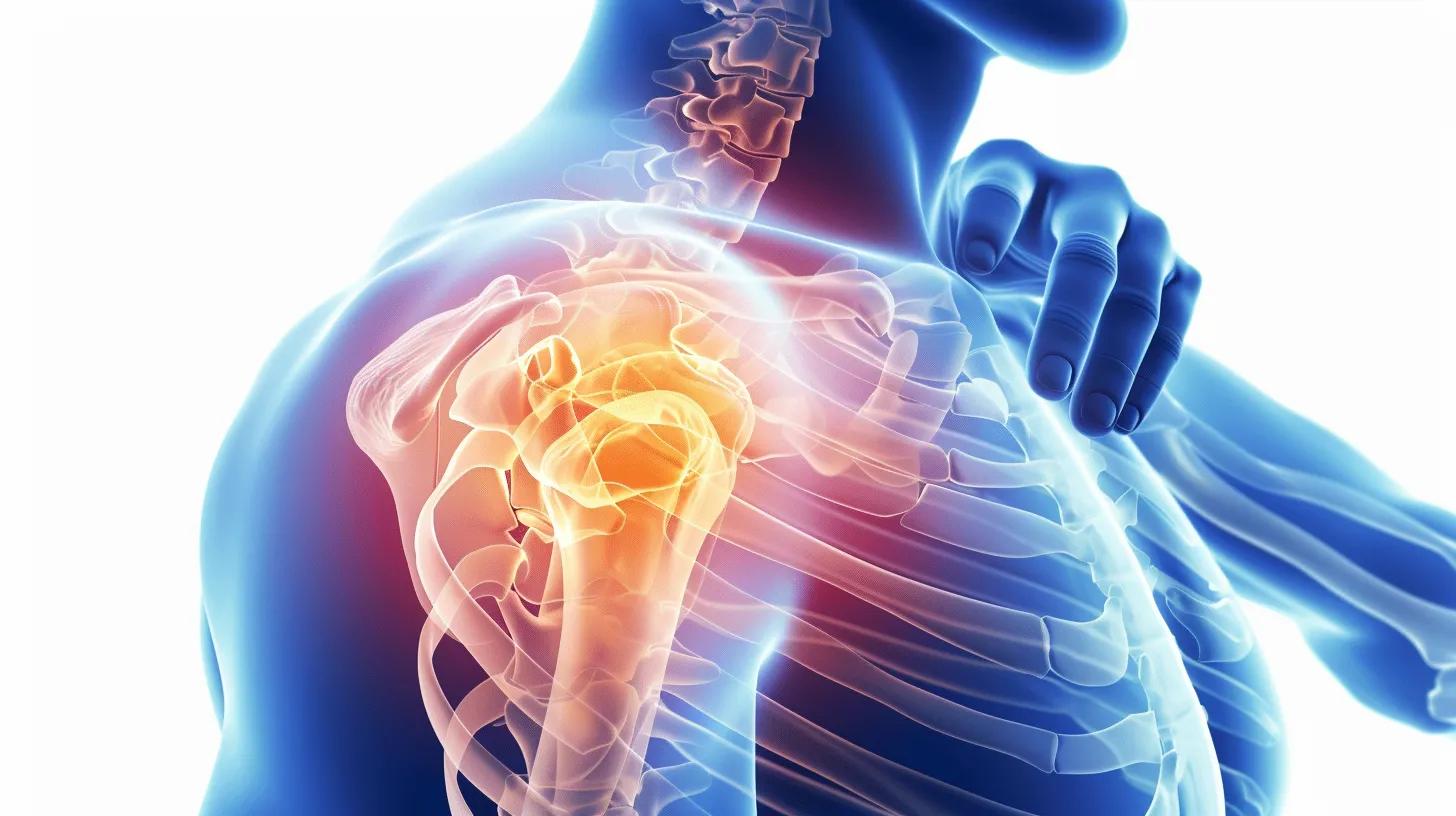
Peaceful Warriors Wellness Center is a local St. Petersburg clinic focused on therapeutic massage and wellness services to support recovery from adhesive capsulitis. We offer 60- and 90-minute therapeutic massage sessions that allow time for a full assessment, targeted manual therapy, and practical exercise coaching in one visit. Our therapists are trained to identify pain patterns and compensations, treat conditions like frozen shoulder directly, and use an integrated approach that pairs hands-on release with home exercise instruction. For local patients, Peaceful Warriors provides personalized sessions to restore mobility, ease pain, and support long-term shoulder function through consistent, skilled manual therapy.

At Peaceful Warriors, we combine manual therapy know-how with clear, practical recovery plans to help you return to daily activities and keep your gains over time.

What expertise do therapists Lena Roberts and Katherine White bring to frozen shoulder care?

Lena Roberts, LMT, and Katherine White, LMT, are therapists at Peaceful Warriors Wellness Center who specialize in therapeutic massage approaches for musculoskeletal pain. They focus on assessment-driven care — identifying capsular restrictions, trigger points, and scapular dysfunction — and apply techniques such as myofascial release and neuromuscular therapy to improve tissue mobility and neuromuscular control. By blending hands-on work with guided movement during sessions, Lena and Katherine help patients turn manual gains into active function. Their LMT credentials and focused approach give patients a clear, local option for manual-therapy-driven adhesive capsulitis care in St. Petersburg.

How do personalized treatment plans enhance recovery outcomes?

Personalized plans start with a focused assessment and combine tailor-made manual therapy techniques with a progressive home exercise program to address each person’s specific barriers to motion. Typical elements include a movement analysis, targeted soft-tissue work (myofascial release, NMT, deep tissue), joint mobilization, and a measurable exercise progression with reassessment checkpoints. This individualized approach lets therapists adjust pressure, session frequency, and exercise difficulty as you improve or if setbacks occur — boosting adherence and objective gains in range of motion and daily function. Tracking outcomes such as degrees of external rotation, pain during key tasks, and overhead reach helps determine when to taper manual sessions and step up strengthening.

How Can You Start Your Frozen Shoulder Recovery Journey in St. Petersburg?

Getting started is straightforward: assess your symptoms, schedule a targeted evaluation, and begin an integrated plan that combines manual therapy with guided exercises. Early assessment clarifies the stage of adhesive capsulitis and the relative contribution of capsular tightness versus muscle guarding, which determines whether the initial focus should be manual release, pain control, or graded exercise. Locally, choosing a provider who offers full therapeutic sessions ensures time for both hands-on care and home-program instruction. The next section explains how to book a therapeutic massage appointment locally and what to expect during your first visit.

What is the process to book a therapeutic massage appointment at Peaceful Warriors Wellness Center?

Booking at Peaceful Warriors Wellness Center is simple and patient-focused: call (727) 822-8866 to schedule a 60- or 90-minute therapeutic massage or ask about availability and intake details. At your first visit, the therapist will take a brief history, perform a movement screen of glenohumeral and scapular motion, and identify specific tissue restrictions and compensatory patterns. Sessions combine targeted manual therapy with guided mobility and a concise home-exercise plan tailored to your recovery stage. Therapists will recommend session frequency based on your progress. Bringing relevant medical records and being ready to describe when symptoms started and how they limit your activities helps the therapist build a focused plan.

  • Booking requires a simple phone call to (727) 822-8866 to arrange a session.
  • Initial sessions include assessment, targeted manual therapy, and an individualized home program.
  • Choose 60- or 90-minute sessions, depending on the level of assessment and the preferred hands-on treatment.

These steps make your first appointment clear and actionable so you can begin structured care promptly.

Frequently Asked Questions

What lifestyle changes can help prevent frozen shoulder?

To lower your risk of frozen shoulder, stay active and avoid prolonged immobility. Regular shoulder stretching and strengthening routines help keep flexibility and reduce stiffness. Managing underlying conditions like diabetes and thyroid disease is also important, since they raise risk. Use ergonomic habits — maintain good posture and avoid repetitive overhead work — and pay attention to early shoulder discomfort so you can seek treatment before stiffness becomes severe.

How long does recovery from frozen shoulder typically take?

Recovery times vary widely. Some people improve in six to twelve months, while others need up to three to four years for full recovery. The condition moves through Freezing, Frozen, and Thawing stages, each with different timelines. Early intervention with therapeutic massage and a structured rehab program often shortens recovery and helps restore mobility and reduce pain more effectively.

Are there any contraindications to therapeutic massage in the treatment of frozen shoulder?

Therapeutic massage is generally helpful, but there are situations that require caution. If you have acute inflammation, severe pain, recent shoulder surgery, infection, fracture, or skin problems in the treatment area, check with your medical provider before starting massage. Therapists should take a full medical history and perform an assessment so that techniques are safely tailored and do not worsen underlying issues.

What should I expect during my first therapeutic massage session?

Your first session includes a thorough intake where the therapist reviews your medical history and symptoms, followed by a movement evaluation to pinpoint restrictions and compensations. The therapist will then apply targeted manual techniques to address pain and mobility limitations and provide you with practical home exercises to support recovery. The goal is a comfortable environment for clear communication about your goals and the next steps in care.

How can I maintain shoulder mobility after treatment?

Maintain mobility with a consistent routine of tailored stretching and strengthening exercises. Daily mobility drills like pendulum swings and wall slides help preserve range of motion. Regular activity that gently uses the shoulder, following your therapist’s home program and scheduling occasional follow-ups, will keep progress on track and reduce the risk of recurrence.

What role does patient education play in frozen shoulder recovery?

Education is central to recovery. Understanding the stages of adhesive capsulitis, self-management strategies, and the importance of exercise consistency helps patients participate actively in their care. Informed patients recognize symptoms earlier, seek timely help, and follow prevention and rehab plans better — all of which improve long-term outcomes.

Conclusion

Therapeutic massage can be a powerful part of recovering from frozen shoulder — reducing pain, improving mobility, and helping you return to everyday activities. By treating soft-tissue restrictions and muscular compensations and pairing hands-on work with targeted exercises, this approach supports a practical, patient-centered recovery. If you’re ready to take the next step, consider booking a session at Peaceful Warriors Wellness Center in St. Petersburg and experience skilled manual therapy and a personalized rehab plan tailored to your needs.