Table of Contents

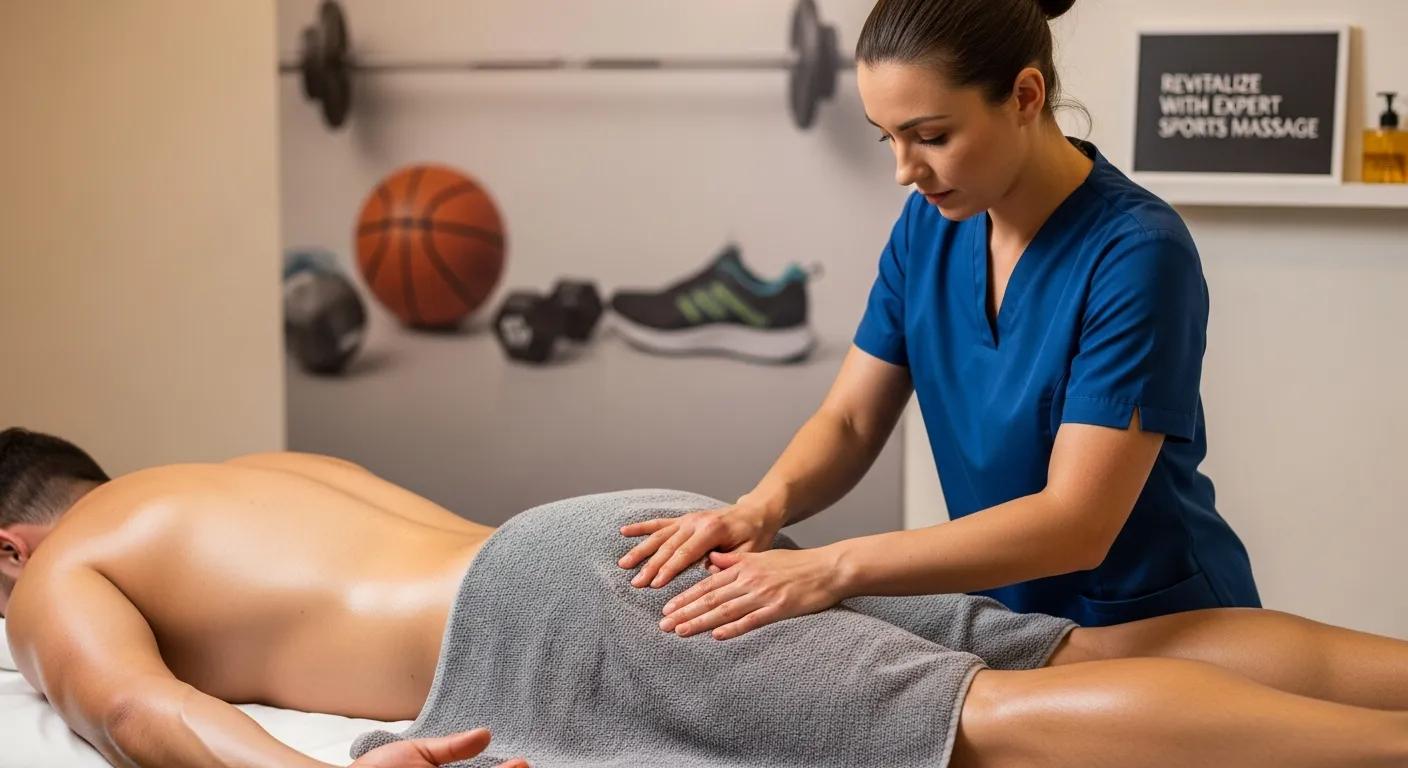
Athlete receiving therapeutic sports massage from a professional therapist in a wellness center, featuring sports equipment in the background, emphasizing recovery and performance enhancement near Tropicana Field.

Revitalize with Therapeutic Massage Near Tropicana Field

Revitalize with Expert Sports Massage

Sports recovery massage is a targeted form of therapeutic massage designed to speed repair, reduce soreness, and restore function after intense training or competition. This guide focuses squarely on services available near Tropicana Field for athletes in St. Petersburg. You will learn how sports recovery massage works, which techniques produce the fastest gains for performance and rehabilitation, and how to plan pre- and post-event sessions around game day. Many athletes struggle with delayed-onset muscle soreness, reduced range of motion, and nagging soft-tissue restrictions that limit performance; effective therapeutic massage addresses these problems through targeted soft-tissue work, neuromuscular techniques, and adjunct modalities. This article outlines why local access matters for Tropicana Field attendees, which evidence-backed modalities reduce DOMS and injury risk, how often to schedule sessions, and who benefits most from sports recovery protocols. Throughout, target keywords like sports recovery, Tropicana, athlete massage, St. Pete, and therapeutic sports massage are woven into practical guidance so you can act confidently. You can read on for clear recommendations, technique comparisons, service options, and contact details to book tailored recovery around your next event.

The comprehensive benefits of sports massage for athletes are well documented in the scientific literature, covering everything from psychological readiness to injury recovery.

Sports Massage for Performance, Recovery & Injury

To identify current literature relating to sports massage and its role in affecting an athlete’s psychological readiness, in enhancing sports performance, in recovery from exercise and competition, and in the treatment of sports-related musculoskeletal injuries. Methods: Electronic databases were used to identify papers relevant to this review. The following keywords were searched: massage, sports injuries, athletic injuries, physical therapy, rehabilitation, delayed onset muscle soreness, sports psychology, sports performance, sports massage, sports recovery, soft tissue mobilization, deep transverse friction massage, pre-event, and post-exercise.

The role of massage in sports performance and rehabilitation: current evidence and future direction, J Brummitt, 2008

Why Choose Therapeutic Sports Massage Near Tropicana Field?

Therapeutic sports massage near Tropicana Field offers proximal access to targeted recovery for athletes who need fast pre- or post-event interventions, and the convenience reduces travel friction, allowing athletes to prioritize recovery. The primary mechanism is focused soft-tissue manipulation—deep tissue, myofascial release, and trigger-point work—combined with assessment-driven progression to restore mobility and reduce pain. Choosing a nearby provider also enables continuity of care across training cycles and events, which improves outcomes through consistent reassessment and graduated protocols that address compensatory patterns. Proximity and provider skill together shorten the time between competition and treatment, which is critical when the goal is to reduce DOMS and rapidly restore the range of motion before the next training session.

Athletes evaluating local sports recovery options should consider these core reasons:

  • Convenience on event day: A close location reduces time lost before and after the competition.
  • Therapist expertise and session length: Providers offering full 60- and 90-minute therapeutic sessions deliver deeper, outcome-focused recovery.
  • Personalized assessments: Individualized plans that track progress help prevent recurring issues and support long-term performance.

These factors frame the decision to choose a local specialist and naturally lead to a closer look at what makes a local clinic particularly effective for athlete recovery.

What Makes Peaceful Warriors Wellness Center Ideal for Athlete Recovery?

Peaceful Warriors Wellness Center brings therapist-driven, athlete-focused recovery to the Tropicana Field area, emphasizing extensive hands-on time and personalized plans. The center’s core services include therapeutic massage and reflexology, performed by therapists who prioritize continuing education and thousands of hours of practical experience, resulting in precise assessments and targeted protocols that reduce DOMS and improve mobility. Sessions are offered in full-length formats—60- and 90-minute appointments—so therapists can combine assessment, deep tissue or myofascial work, and adjuncts like assisted stretching in one visit for measurable results. For athletes who need consistent, progressive care, the center emphasizes continuity by tracking outcomes and tailoring follow-up sessions to evolving training loads and injury history.

This practitioner-focused model supports better short-term recovery and long-term resilience, and understanding therapist techniques leads to how a clinician’s skill specifically enhances recovery outcomes.

How Do Experienced Therapists Enhance Sports Recovery Massage?

Experienced therapists enhance outcomes through structured assessment, targeted intervention, and planned progression, beginning with a movement and tissue evaluation that identifies restrictions, asymmetries, and trigger points. They apply skilled modalities—deep tissue, trigger-point release, myofascial release, and assisted stretching—in a sequence that prioritizes restoring optimal length-tension relationships and reducing nociceptive drivers of pain. Adjunct techniques such as cupping or reflexology can be selectively integrated to improve local circulation and lymphatic flow when the evidence and the athlete’s preference align. Clinician skill also appears in dosage decisions—how long to spend on a region and when to use lighter pre-event work versus deeper post-event recovery—which directly affect how quickly athletes regain function and reduce soreness.

Understanding these therapists’ actions clarifies which specialized services are most relevant to specific athletic goals and injuries.

Specialized Sports Recovery at Peaceful Warriors Wellness CenterWhat Specialized Sports Recovery Massage Services Are Offered in St. Petersburg?

Specialized sports recovery services in St. Petersburg span from light pre-event preparation to deep post-event restoration, each with specific timing and targets to support athletic performance. Common offerings include pre-event massage designed to increase circulation and mobility; post-event deep tissue and myofascial release to reduce DOMS; trigger-point therapy for focal pain relief; cupping to enhance local circulation; and assisted stretching to restore range of motion. Each technique has distinct mechanisms and best-use windows, and a well-structured clinic links services to athlete type and event timing. Hence, interventions deliver practical outcomes rather than generic relaxation.

Below is a quick service comparison to help athletes choose the right option:

ServiceTarget AthleteBest Timing
Pre-event massageRunners, baseball players, team athletes30–60 minutes before the competition
Post-event recovery massageAny athlete after intense exertionWithin 24–48 hours post-event
Myofascial releaseAthletes with tight fascial patternsAs part of scheduled recovery sessions

This table highlights how matching the service to the athlete’s profile and timing improves recovery efficacy, and we next examine the mechanisms behind each technique in detail.

Which Techniques Support Athletic Performance and Injury Rehabilitation?

Deep tissue massage and myofascial release work by mechanically breaking adhesions and reducing fascial restrictions, restoring glide between layers, and improving range of motion for sport-specific movements. Trigger-point therapy focuses on localized hyperirritable nodules in muscle that refer pain; releasing these points reduces central sensitization and improves functional strength. Cupping creates localized negative pressure that can increase microcirculation and assist in lymphatic drainage, while assisted stretching restores sarcomere length and neuromuscular control, making movement patterns more efficient. These mechanisms—adhesion breakdown, pain modulation, circulation enhancement, and neuromuscular re-education—combine to reduce injury risk and speed rehabilitation when applied in the correct sequence.

Examining pre- and post-event protocols next shows how timing and intensity are adjusted to match these mechanisms.

How Are Pre- and Post-Event Massages Tailored for Athletes Near Tropicana Field?

Pre-event sessions prioritize light, dynamic techniques that elevate local temperature, mobilize joints, and prime neuromuscular pathways without inducing tissue breakdown, typically delivered 30–60 minutes before competition for optimal effect. Post-event sessions favor deeper work—myofascial release, targeted deep tissue, and trigger-point release—applied within 24–48 hours to facilitate the removal of metabolic waste, reduce delayed soreness, and restore range of motion. Protocols also vary by sport: runners need calf and hamstring work, baseball players need shoulder and forearm work, and court athletes often need hip and lumbar mobility. Adjusting intensity and modality based on event timing and athlete level ensures that the session supports immediate performance needs and long-term recovery goals.

With services and timing clarified, it helps to quantify the key benefits athletes can expect from regular sports massage.

What Are the Key Benefits of Sports Massage for Athletes in St. Pete?
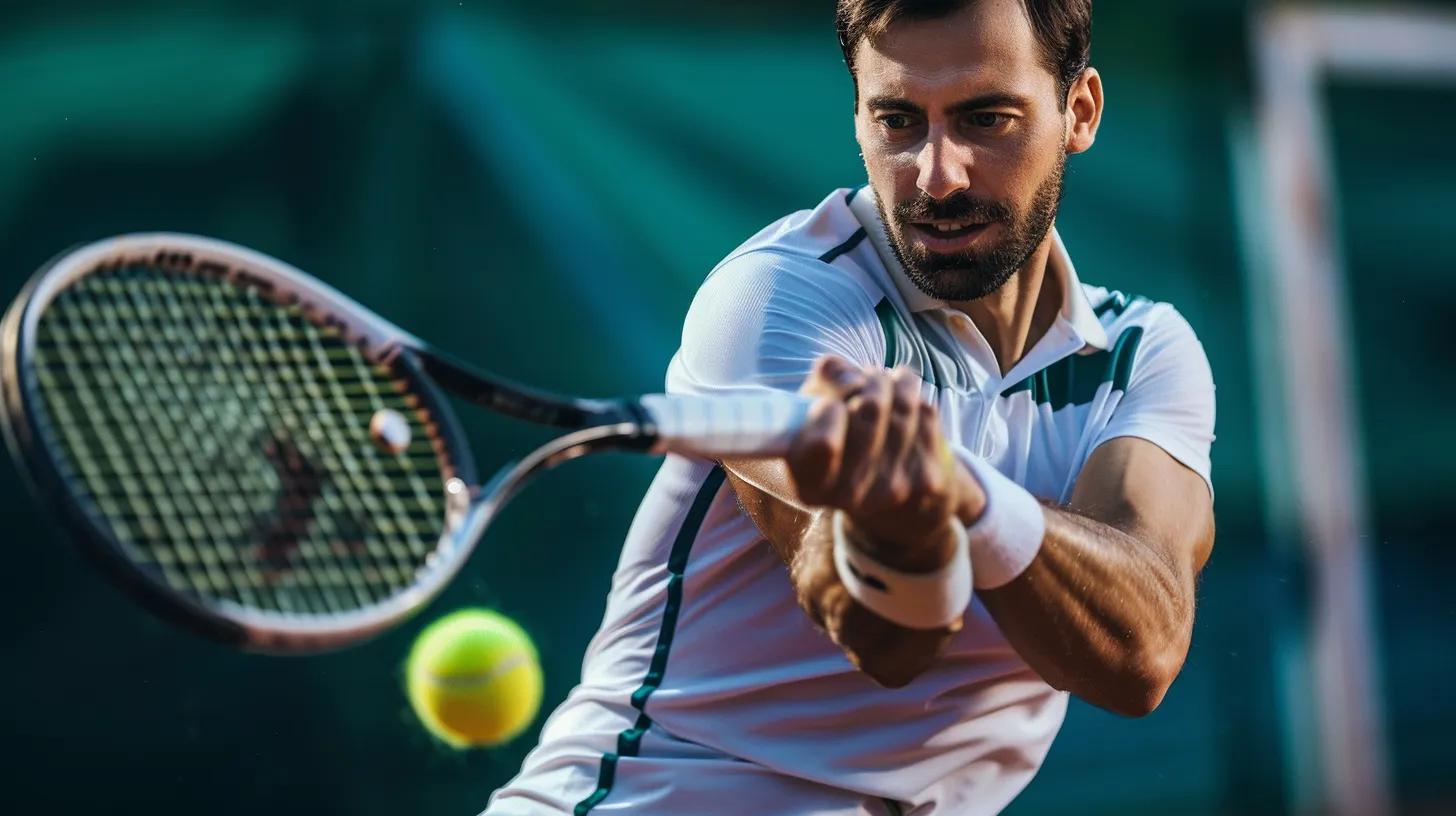
Sports massage delivers several measurable benefits that support training adaptations and competitive performance, including accelerated recovery, reduced DOMS,

Tennis player executing a forehand swing on the court, emphasizing athletic movement and technique relevant to sports recovery and performance enhancement.

. The primary mechanisms behind these benefits are enhanced circulation for nutrient delivery and metabolic waste removal, targeted mechanical remodeling of soft tissue, and neuromuscular re-education that restores optimal movement patterns. Recent studies and practitioner reports indicate consistent reductions in perceived soreness and faster return to baseline function when massage is applied as part of an integrated recovery plan. These outcomes make therapeutic sports massage a practical adjunct to training schedules for local athletes seeking reliable, evidence-informed recovery.

Indeed, research consistently shows the physiological benefits massage offers athletes, including increased blood flow and reduced muscle tension.

Massage Benefits for Athlete Performance & Injury Prevention

Many coaches, athletes, and sports medicine personnel hold the belief, based on observations and experiences, that massage can provide several benefits to the body, such as increased blood flow, reduced muscle tension and neurological excitability, and an increased sense of wellbeing. Massage can produce mechanical pressure, which is expected to increase muscle compliance, resulting in increased range of joint motion, decreased passive stiffness, and decreased active stiffness (biomechanical mechanisms). Therefore, these massage benefits are expected to help athletes by enhancing performance and reducing injury risk.

The mechanisms of massage and effects on performance, muscle recovery, and injury prevention, PA Hume, 2005

Key benefits summarized for quick scanning:

  1. Faster recovery: Improved circulation and lymphatic flow speed metabolic clearance after exertion.
  2. Reduced soreness: Targeted soft-tissue work lowers perceived pain and DOMS severity.
  3. Better flexibility and function: Myofascial release and assisted stretching increase range of motion.

These top-line benefits lead naturally into a more technical comparison of core techniques.

TechniquePrimary MechanismPrimary Benefit
Deep tissueMechanical breakdown of adhesionsImproved tissue mobility
Myofascial releaseFascial glide restorationIncreased flexibility and reduced stiffness
CuppingLocalized suction increases microcirculationEnhanced circulation and pain modulation

This comparative table clarifies which modality addresses specific recovery goals, and the following sections examine how massage accelerates recovery and prevents injuries in practice.

How Does Sports Massage Accelerate Muscle Recovery and Reduce Soreness?

Sports massage accelerates recovery primarily by increasing local blood flow and lymphatic drainage, which enhances oxygen and nutrient delivery while removing metabolic byproducts that drive soreness. Mechanically, targeted friction and longitudinal strokes promote tissue remodeling and reduce cross-linking within collagen fibers, helping muscles regain elasticity and contractile efficiency. Neurologically, massage stimulates mechanoreceptors that modulate pain pathways, reducing perceived soreness and enabling athletes to resume training sooner. Practical implications include shorter time-to-baseline performance and fewer performance-limiting symptoms after intense sessions, especially when massage is scheduled within recommended post-event windows.

These recovery mechanisms segue into how consistent massage supports injury prevention and long-term gains in flexibility.

In What Ways Does Therapeutic Massage Prevent Injuries and Improve Flexibility?

Therapeutic massage prevents injuries by addressing chronic imbalances, correcting fascial restrictions, and restoring symmetry in soft-tissue length and tone, which reduces compensatory loading that often precipitates overuse injuries. Regular assessment-driven sessions identify early asymmetries and apply progressive interventions—myofascial release, trigger-point work, and assisted stretching—to rebalance muscular relationships and joint mechanics. Over time, improved flexibility and neuromuscular control reduce the incidence of strains, tendinopathies, and movement-related pain. Scheduling routine maintenance work during training cycles preserves these gains and supports durable performance under increasing loads.

Having covered benefits, the next section identifies who gains the most from these interventions.

Who Can Benefit from Sports Recovery Massage Near Tropicana Field?

Sports recovery massage benefits a broad range of athletes and active individuals, from elite competitors to weekend warriors, by tailoring interventions to the athlete’s training load, sport demands, and injury history. The approach is adaptable: endurance athletes benefit from circulation-focused recovery, power athletes need targeted fascial release to preserve explosiveness, and active adults gain from maintenance sessions that address repetitive-use patterns. Beyond performance athletes, people with chronic conditions tied to activity—such as plantar fasciitis or frozen shoulder—often find massage a useful adjunct for symptom control and function restoration when coordinated with medical care. Understanding which profile you fit helps determine the best combination of techniques and scheduling frequency.

Common user profiles that should consider sports recovery massage:

  • Endurance athletes and runners require frequent soft-tissue maintenance for high mileage.
  • Power and team-sport athletes: Need targeted release to preserve explosiveness and joint health.
  • Weekend warriors and active adults: Benefit from periodic maintenance to prevent accumulated stiffness.

These audience profiles set up how massage integrates with chronic pain management and rehabilitation.

Which Athletes and Active Individuals Should Consider Therapeutic Massage?

Athletes engaged in various sports: tennis player serving, cyclist lifting weights, baseball player swinging bat, and mountain biker racing, surrounded by dynamic color splashes representing energy and movement, illustrating the importance of sports recovery massage for performance enhancement at Peaceful Warriors Wellness Center.

Competitive runners, cyclists, baseball and team-sport players, and strength athletes should consider regular therapeutic massage as part of their performance plan because each group encounters predictable tissue stressors that respond well to targeted intervention. Recreational athletes and manual laborers also gain value from sessions that focus on restoring mobility and reducing compensatory load that leads to pain. First-time clients benefit from an assessment-based plan that prioritizes the most limiting tissues before expanding to comprehensive recovery sessions. Matching the modality to the athlete’s demands—pre-event priming for competition-day athletes, post-event deep work for endurance competitors—optimizes return-to-play timelines and training continuity.

How Does Sports Massage Support Chronic Pain and Sports Injury Recovery?

In chronic pain and injury recovery, sports massage functions as an adjunct to medical care by mobilizing scar tissue, improving local circulation to injured regions, and reducing guarding patterns that limit rehabilitation exercises. Therapists coordinate with medical providers and physical therapists when necessary, focusing on graded interventions that facilitate progressive loading and functional improvements. For conditions like plantar fasciitis, targeted soft-tissue release and mobilization can decrease pain and restore gait mechanics; for adhesive capsulitis, graded manual work combined with active stretching supports improved range over time. This coordination ensures massage supports—not replaces—medical and rehabilitative strategies for optimal recovery outcomes.

Where Is Peaceful Warriors Wellness Center Located and How Convenient Is It for Tropicana Field Visitors?

Peaceful Warriors Wellness Center serves athletes in St. Petersburg from a central location well-positioned for Tropicana Field visitors who need pre- or post-event care. The clinic’s address is 2150 49th St N, Ste B, St. Petersburg, FL 33710, and therapists provide full 60- and 90-minute session formats ideal for comprehensive recovery work. For event attendees and local athletes, the center’s proximity makes short, high-impact sessions feasible around game-day schedules, supporting quick pre-event mobilization or timely post-event restoration without lengthy travel. Booking is streamlined through direct contact, and therapists emphasize assessment-led plans to ensure each appointment targets the most relevant tissues for an athlete’s sport and event timing.

What Are the Center’s Hours, Contact Details, and Directions Near Tropicana Field?

For convenience, the center lists direct contact channels for scheduling and questions: phone: 727-822-8866; email lenabroberts@gmail.com. Primary contacts, Lena Roberts and Katherine White, are available for coordination. The physical address—2150 49th St N, Ste B, St. Petersburg, FL 33710—places the clinic within a short drive from Tropicana Field, enabling quick pre- or post-event sessions for players and spectators. Athletes are encouraged to call or email to discuss session length (60 or 90 minutes) and to describe current goals so therapists can prepare an efficient, targeted plan. Peak utility comes from communicating event timing in advance so practitioners can prioritize appropriate pre- or post-event modalities.

How Does Location Enhance Athlete Access to Sports Recovery Services?

Being near Tropicana Field reduces friction for athletes who need targeted maintenance between sessions and increases the likelihood of following through with scheduled care during a season or tournament block. Quick access enables timely interventions that capitalize on critical recovery windows—immediate post-event work within 24–48 hours and light pre-event priming shortly before competition. The location also supports routine visits during training cycles, enabling progressive plans that adapt to workload and injury history without long commutes. Ultimately, this proximity improves adherence to recovery protocols and helps athletes sustain performance across repeated events.

Frequently Asked Questions

What Should Athletes Expect During Their First Sports Massage Session?

During your first sports massage session, you can expect a thorough assessment where the therapist evaluates your movement patterns, muscle tightness, and any specific areas of concern. This initial evaluation helps tailor the session to your individual needs. The therapist will discuss your athletic background, training regimen, and any injuries you may have. Expect a combination of techniques, including deep tissue and myofascial release, tailored to your unique needs. Communication is key, so feel free to express any discomfort or preferences during the session.

How Can Athletes Prepare for a Sports Massage Appointment?

To prepare for a sports massage appointment, you should arrive hydrated and avoid heavy meals right before your session. Wear comfortable clothing that allows easy access to the treated areas, and consider bringing any relevant medical history or injury details. Communicate your goals and any specific concerns to the therapist beforehand. If you have a particular event coming up, mention it so the therapist can tailor the session accordingly. Lastly, be open to feedback during the session to maximize its effectiveness.

Are There Any Risks or Side Effects Associated with Sports Massage?

While sports massage is generally safe, some individuals may experience mild soreness or bruising after a session, especially when deep-tissue techniques are used. These effects are typically temporary and should resolve within a day or two. It’s important to communicate any discomfort during the massage, as therapists can adjust their techniques accordingly. Individuals with certain medical conditions, such as blood clots or severe osteoporosis, should consult a healthcare provider before receiving massage therapy. Please always let your therapist know about any health concerns before treatment.

How Does Sports Massage Differ from Regular Massage Therapy?

Sports massage is specifically designed to address the needs of athletes and active individuals, focusing on enhancing performance, preventing injuries, and aiding recovery. Unlike regular massage therapy, which may prioritize relaxation and stress relief, sports massage employs targeted techniques such as deep tissue work, myofascial release, and trigger-point therapy to address specific muscle groups and movement patterns. The approach is often more intense and goal-oriented, tailored to the athlete’s training schedule and event demands, making it a vital part of an athlete’s overall training regimen.

Can Sports Massage Be Beneficial for Non-Athletes?

Yes, sports massage can be beneficial for non-athletes as well. Individuals with physically demanding jobs, those who engage in regular exercise, or anyone experiencing muscle tension and stress can benefit from the targeted techniques used in sports massage. It helps alleviate muscle tightness, improve flexibility, and enhance overall wellbeing. Additionally, people recovering from injuries or dealing with chronic pain conditions can find relief through the specialized techniques employed in sports massage, making it a versatile option for various populations.

What Should Athletes Do After a Sports Massage Session?

After a sports massage session, it’s important to hydrate well to help flush out toxins released during the treatment. Gentle stretching can also help maintain flexibility and prevent stiffness. Athletes should listen to their bodies and allow adequate recovery time before engaging in intense physical activity. If any soreness occurs, applying ice to the affected areas can help alleviate discomfort. Also, keeping a record of how you feel after each session can provide valuable feedback for future treatments and help your therapist adjust techniques accordingly.

What Techniques Are Used in Sports Massage Near Tropicana Field?

Local providers typically use a combination of deep tissue, myofascial release, trigger-point therapy, cupping, and assisted stretching to address performance and recovery goals, each with distinct mechanisms and applications. Deep tissue addresses adhesions and chronic tightness; myofascial release restores fascial glide; trigger-point work relieves referred pain; cupping improves local circulation; and assisted stretching re-establishes functional range of motion. Therapists select and sequence these modalities based on assessment findings and event timing to balance immediate performance with longer-term tissue remodeling. Choosing the right mix ensures sessions are efficient and goal-directed.

How Often Should Athletes Schedule Sports Recovery Massage Sessions?

Recommended frequency depends on training intensity: athletes in heavy training blocks often benefit from weekly sessions, moderate trainers from biweekly care, and maintenance-phase athletes from monthly visits; event tapering may require a short sequence of pre- and post-event sessions. Weekly work supports repeated high-load recovery and faster remodeling, while biweekly or monthly visits help maintain flexibility and address emerging restrictions. Scheduling should align with the athlete’s periodization: more frequent sessions during peak training and targeted pre- and post-event appointments around competition dates. This frequency guidance helps plan an effective routine that matches workload and recovery capacity.

Can Sports Massage Help With Specific Conditions, Such as Plantar Fasciitis or Frozen Shoulder?

Yes—when used as part of a coordinated plan, sports massage can help manage plantar fasciitis and frozen shoulder by addressing soft-tissue contributors and improving mobility. However, both conditions may require collaborative care with medical or physical therapy providers. For plantar fasciitis, targeted release of calf and plantar tissues, along with mobility work, can reduce load on the plantar fascia and improve gait mechanics. For frozen shoulder, graded manual mobilization and neuromuscular re-education support improved range when combined with prescribed therapeutic exercises. Referral to or coordination with medical providers is recommended when red-flag symptoms or persistent deficits require imaging or advanced interventions.

  1. Book a targeted session: Call 727-822-8866 or email lenabroberts@gmail.com to describe event timing and recovery goals.
  2. Choose session length: Decide between a focused 60-minute visit or a comprehensive 90-minute recovery protocol.
  3. Communicate sport demands: Provide sport and recent injury details so therapists can prepare an assessment-driven plan.

You can use these steps to secure a practical, timely recovery that aligns with your training and competition schedule.