Table of Contents

Targeted Massage for Back Pain Relief

Targeted Therapy for Lumbar Pain Relief in St. Petersburg

Targeted massage for Low Back Pain Relief
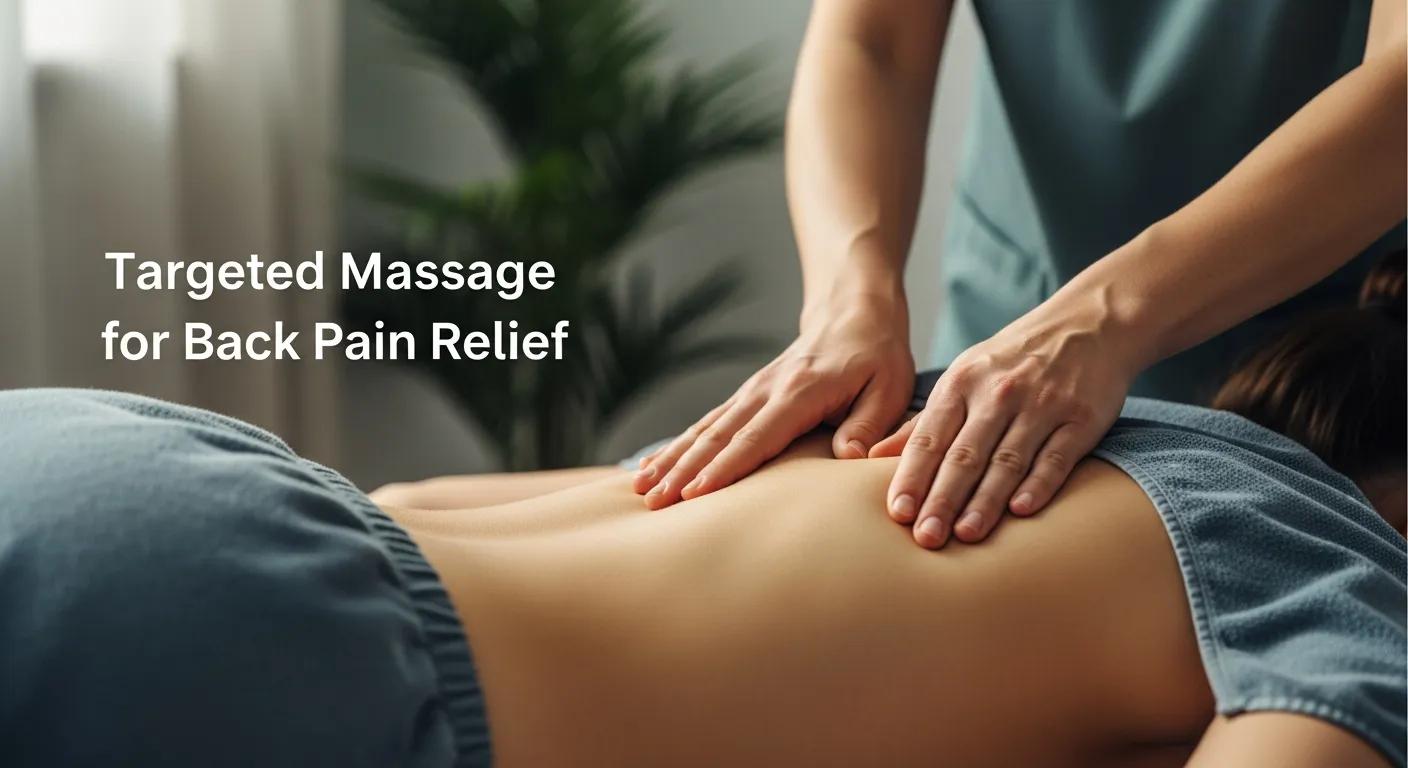
Featured Snippet: Looking for effective low back pain relief near you? Targeted massage therapy in St. Petersburg can ease muscle tension, improve mobility, and reduce nerve irritation. Personalized treatments like deep tissue and myofascial release help you get back to daily activities comfortably and quickly.

Low back pain is common and can seriously limit daily life — yet it often responds well to focused therapeutic massage when we address the fundamental drivers: muscle tension, fascial restrictions, and nerve irritation. For a comprehensive overview of lumbar pain, you can consult resources like Spine Health’s guide to lower back pain. This guide explains how lumbar pain develops, which evidence-based massage approaches ease symptoms, and provides practical treatment plans for sciatica and chronic low back pain in St. Petersburg. You’ll learn how techniques like deep tissue, neuromuscular therapy (NMT), myofascial release (MFR), and trigger-point work change tissue mechanics, when a structured treatment cadence is warranted, and which patients typically gain the most benefit (athletes, desk workers, people with long-standing pain). We also walk through how personalized assessment and session planning accelerate recovery and give clear steps to book a focused low back pain massage locally — including session length and what to expect on your first visit. Keywords such as lumbar pain therapy, sciatica relief massage, and therapeutic bodywork for lumbar discomfort are used naturally to help you find the right care path.

What Causes Low Back Pain and How Does It Affect You?

Low back pain covers localized lumbar soreness, nerve-related leg symptoms, and stiffness that limits movement — typically driven by muscle tightness, fascial adhesions, or joint dysfunction. Those issues produce symptoms through muscle spasm, restricted circulation, and altered biomechanics that load the lumbar spine and nearby tissues. Identifying the primary source — whether myofascial trigger points, nerve compression, or postural strain — helps us choose targeted massage strategies that reduce pain and restore range of motion. Below are the most common causes to guide treatment planning. For a detailed understanding of symptoms and causes, refer to the Mayo Clinic’s guide on back pain.

  • Muscle strain and overuse: localized pain and protective guarding that limit bending and lifting.
  • Disc-related radiculopathy or nerve compression: radicular pain and numbness radiating down the leg. For more information on nerve-related leg symptoms, see Healthline's sciatica guide.
  • Postural and biomechanical compensation: prolonged sitting, poor lifting, or asymmetrical activities that chronically overload paraspinal muscles.

These underlying causes create predictable functional limitations that shape therapy goals and the intake assessment for lumbar pain relief.

What are the common causes of lumbar pain and sciatica?

Paraspinal muscle strain with trigger-point formation, intervertebral disc pathology causing radicular pain, and fascial restrictions that limit glide between tissue layers are frequent culprits. Overloaded muscles and active trigger points can produce referred pain patterns that mimic nerve pain, which is why careful palpation and movement testing are essential during intake. For a comprehensive understanding of the causes of lumbar pain, the Mayo Clinic offers an in-depth guide.

Disc herniation or foraminal narrowing can compress nerve roots and produce true sciatica — sharp, shooting pain down the back of the thigh and calf — and these cases need careful clinical screening and coordinated care with medical providers when indicated.

Targeted manual techniques aim to reduce tissue tension, restore neural mobility, and support improved biomechanics to relieve symptoms and improve function.

How Does Low Back Pain Impact Daily Life and Mobility?

Low back pain often limits movement and makes routine tasks — tying shoes, lifting children, or standing for long periods — painful and guarded. For office workers, prolonged flexed postures can stiffen lumbar segments and weaken the glutes, increasing compensatory tension during movement. For runners and other active people, repetitive loading can overwork the lumbar stabilizers and slow recovery. Pain also disrupts sleep and exercise, reducing overall conditioning and lengthening recovery time. Effective therapeutic massage plans focus on restoring mobility, easing daily limits, and enabling a graded return to activity so you can get back to the things that matter. For more on how back pain affects daily life and functional limitations, consult the Cleveland Clinic’s back pain resource.

Which Therapeutic Massage Techniques Provide Effective Low Back Pain Relief?

Therapeutic massage for lumbar pain uses several focused techniques, each targeting different tissue layers and pain mechanisms to create lasting relief. For a deeper dive into different massage modalities and an overview of various physical therapy techniques, the Physical Therapy Association provides a helpful guide. Below are the core approaches, with brief mechanisms for quick comparison, followed by a practical table showing typical session outcomes and indications.

  • Deep tissue massage: sustained pressure to break down adhesions and improve local circulation.
  • Neuromuscular therapy (NMT): precise work on trigger points and neuromuscular patterns to reset abnormal muscle firing.
  • Myofascial release (MFR): gentle,e sustained stretches to restore fascial glide and length, reducing tension.
  • Trigger point therapy: focused compression to deactivate painful nodules and lessen referred pain.

The table below contrasts these techniques by mechanism and expected session outcome to help you choose the best approach for specific lumbar complaints.

TechniqueMechanismTypical Session Outcome
Deep Tissue massageSustained, firm pressure to break adhesions and increase local blood flowReduced chronic tension and improved lumbar flexion/extension
Neuromuscular Therapy (NMT)Targeted pressure and neuromuscular re-education to address trigger pointsLess referred pain and more normalized muscle firing patterns
Myofascial Release (MFR)Gentle, sustained fascial stretch to restore glide between layersImproved range of motion and decreased stiffness
Trigger Point TherapyIschemic compression and release of hyperirritable nodulesQuick reduction in focal pain and referred symptoms

Choosing the correct technique depends on whether the primary driver is muscular adhesion, trigger points, fascial restriction, or a combination; the sections that follow outline common pairings and who typically benefits most from each.

How Does Deep Tissue Massage Alleviate Chronic Back Pain?

Deep tissue massage eases chronic back pain by mechanically breaking down fibrotic adhesions in muscle and fascia, restoring tissue pliability and reducing mechanical irritation of nearby nerves. That sustained pressure also boosts local circulation, helping clear metabolic waste and deliver oxygen to chronically contracted muscle. Many clients notice immediate decreases in tightness and gradual gains in mobility across repeated sessions; some soreness after firmer work is normal and often indicates tissue change. If you’re concerned about discomfort during massage, our therapists are skilled at adjusting pressure to your tolerance. Deep tissue is best for people with persistent muscular knots, long-standing postural strain, or limited lumbar range who tolerate firmer pressure. For more on therapeutic techniques, the Physical Therapy Association offers insights.

What Benefits Do Neuromuscular Therapy and Myofascial Release Offer for Lumbar Discomfort?

Neuromuscular therapy pinpoints and deactivates trigger points that perpetuate pain and dysfunctional movement, helping reset abnormal tension patterns that overload the lumbar spine. Myofascial release addresses the fascial network, restoring glide between layers and reducing tension transmitted across kinetic chains. Together, NMT and MFR reduce referred pain, improve neural mobility, and enhance functional movement — producing measurable improvements in bending and rotation. In combination, NMT reduces active pain generators while MFR helps preserve the improved mechanics. These techniques are often part of broader physical therapy approaches, as detailed by the Physical Therapy Association.

Can Targeted Massage Therapy Help with Sciatica and Nerve Pain?

Yes. Targeted massage can help many cases of sciatica and nerve-related leg pain by reducing soft-tissue compression, improving nerve glide, and decreasing local inflammation. That said, severe or progressive neurological deficits require medical evaluation and possible referral. Manual work that focuses on the piriformis, gluteals, and lumbar paraspinals can reduce entrapment and restore comfortable neural motion. A staged plan — initially more intensive, then tapering to maintenance — often produces the best long-term outcomes. Below is a practical mapping of anatomy to treatment focus, showing where therapists focus their efforts for sciatica relief. For a detailed understanding of sciatica, refer to Healthline’s comprehensive guide.

Region TreatedCommon Problem (entity)Massage Focus/Action
Piriformis / GlutealsSciatic nerve entrapment fromthe tight piriformisMyofascial release and soft-tissue mobilization to free nerve glide
Lumbar nerve root regionForaminal compression or radiculopathyReduce paraspinal tone, promote segmental mobility, and coordinate with physician care.
Hamstrings / posterior thighReferred to tightness and limited neural mobilityTrigger-point release and neural-tension techniques to restore leg movement

This anatomical mapping clarifies how therapists target specific regions to ease nerve compression and support symptom improvement before diving into technique application and session planning.

How Does Sciatica Massage Therapy Reduce Nerve Compression and Inflammation?

Sciatica-focused manual therapy reduces nerve compression by releasing tension in muscles and fascia that impinge the sciatic pathway — especially the piriformis and deep gluteal muscles — and by improving segmental lumbar mobility to lessen mechanical stress on nerve roots. Techniques include targeted myofascial release, neuromuscular deactivation of trigger points, gentle mobilizations to promote nerve glide, and adjunctive range-of-motion work to limit inflammatory adhesion. Clinically, this approach aims to lower leg pain intensity, improve tolerance for sitting and walking, and produce smoother neural mobility during movement testing. As soft-tissue drivers of compression ease, patients typically notice stepwise reductions in pain and better activity tolerance. For more insights into sciatica and its management, Healthline provides extensive information.

What Is the Recommended Frequency for Sciatica Massage Sessions?

A familiar cadence for sciatica is an initial intensive phase of two sessions per week for 3–4 weeks, then progressing to weekly visits as symptoms stabilize, and finally shifting to monthly maintenance as needed. This front-loaded strategy addresses acute soft-tissue tension and neural mobility quickly, while the taper gives tissues time to adapt. For more insights into how often you should get a massage, athletes or people with high physical demands may need more frequent early sessions and a more extended maintenance plan to reduce reinjury risk. Frequency should always be guided by symptom response, functional goals, and coordination with any concurrent medical care.

Who Benefits Most from Low Back Pain Massage in St. Petersburg?

Targeted low back pain massage helps a wide range of people: those with chronic pain, athletes who need recovery and performance support, desk workers with postural strain, and older adults managing degenerative changes. Each group brings different goals — pain control, performance restoration, ergonomic correction, or mobility preservation — and protocols adapt to address those priorities. Below are audience profiles to help you see where massage fits your needs and what to expect from an assessment-driven plan.

  • Chronic pain sufferers: Focused trigger-point and fascial work to reduce persistent tension and improve daily function. For more on managing chronic pain and functional limitations, the Cleveland Clinic offers valuable resources.
  • Athletes: Targeted mobility work and sports-injury strategies to speed recovery and sustain performance.
  • Desk workers: Postural correction, range-of-motion work, and ergonomic movement coaching to reduce strain.

These profiles guide session planning and help prioritize techniques and session lengths that produce measurable outcomes.

When Should You Exercise Caution or Seek Medical Advice?

While therapeutic massage offers significant benefits, certain conditions require caution or may contraindicate massage altogether. Patient safety is paramount, and our therapists are trained to screen for these situations. Always inform your therapist of your complete medical history.

  • Absolute Contraindications: massage should be avoided in cases of acute injuries (e.g., recent fractures, severe sprains), severe osteoporosis (risk of fracture), deep vein thrombosis (DVT) or blood clots (risk of dislodgement), active infections, open wounds, or cancer in the area of treatment. Uncontrolled hypertension also requires careful consideration.
  • Require Physician Clearance: If you are pregnant, have recently undergone surgery, have diagnosed herniated discs with active nerve involvement (e.g., severe sciatica with weakness), or have an inflammatory condition (e.g., rheumatoid arthritis flare-up), you will need a physician's clearance before receiving massage therapy.
  • When to Seek Medical Attention: If you experience sudden, severe pain, unexplained numbness or weakness, loss of bowel or bladder control, or pain accompanied by fever, seek immediate medical attention rather than massage. These symptoms may indicate a serious underlying medical condition.

Our commitment at Peaceful Warriors Wellness Center is to provide safe and effective care, which sometimes means recommending a medical consultation before proceeding with massage.

Why Are Athletes and People with Chronic Pain Ideal Candidates for Therapeutic Massage?

Athletes benefit because targeted massage improves mobility, speeds recovery after intense training, and corrects sport-specific asymmetries that lead to lumbar overload. Typical sessions combine range-of-motion stretching, deep tissue work for adhesions, and neuromuscular re-education to restore efficient movement and reduce recurrence. People with chronic pain gain from systematic trigger-point deactivation, fascial release to lower global stiffness, and a progressive plan that includes home care. Both groups do best with assessment-driven protocols that focus on function and clear return-to-activity milestones rather than simply masking symptoms.

How Does Personalized Care at Peaceful Warriors Wellness Center Enhance Recovery?

At Peaceful Warriors Wellness Center, we prioritize personalized, focused sessions that start with a structured intake, movement testing, and targeted palpation to identify the main drivers of lumbar pain. Therapists choose techniques — Neuromuscular Therapy, Myofascial Release, Deep Tissue, and range-of-motion stretching — based on findings and your goals, and they adjust pressure and sequence during the session as your responses guide treatment. For athletes and chronic pain clients, we bring sports-injury expertise and continual clinician education to refine progressions and track improvements across visits. This individualized pathway speeds functional gains while minimizing unnecessary or ineffective interventions.

What Makes Peaceful Warriors Wellness Center the Trusted Choice for Back Pain Relief?

Peaceful Warriors Wellness Center specializes in therapeutic massage for low back pain and related body dysfunction, using evidence-informed techniques such as Neuromuscular Therapy, Myofascial Release, Deep Tissue, and Range-of-Motion stretching. We deliver personalized, focused sessions with experienced therapists who value ongoing education and honor full scheduled session time, typically offering 60- or 90-minute appointments. Beyond targeted massage, our integrated services — reflexology, acupuncture, nutritional counseling, Reiki, and sports-injury support — create a broader recovery environment that complements manual care and supports lasting lumbar relief.

How Do Experienced Therapists Tailor Sessions for Lasting Lumbar Pain Relief?

Our therapists tailor sessions by conducting a focused intake to document pain patterns, activity demands, and functional limitations, then using movement testing to identify mobility or neuromuscular deficits. Palpation locates trigger points and fascial restrictions, which informs a blended technique plan — deep tissue for adhesions, NMT for trigger points, and MFR for fascial glide — scaled to your tolerance. Therapists monitor in-session responses, adjust pressure and sequencing, and provide simple home strategies plus follow-up plans to build recovery momentum. This assessment-driven approach aims for precise, progressive therapy that produces durable functional changes.

What Do Client Testimonials Reveal About Treatment Success?

Clients typically report reduced pain, increased mobility, and the ability to return to daily activities or sport after a series of focused sessions — patterns consistent with case-series improvement rather than guaranteed outcomes. Testimonials often highlight the value of personalized attention and the whole session time, which allows therapists to address both focal pain generators and contributing patterns. For detailed experiences, we encourage reading full reviews on our public profiles or site; overall, feedback emphasizes functional gains and better symptom control while avoiding promises of identical results for every person.

Complement Your Massage: At-Home Self-Care for Lasting Relief

Professional massage therapy is most effective when complemented by consistent self-care practices at home. These simple habits can extend the benefits of your sessions, reduce the recurrence of pain, and empower you on your recovery journey.

  • Optimize Posture and Ergonomics: Be mindful of your posture throughout the day, especially if you're a desk worker in St. Petersburg. Ensure your workstation supports a neutral spine, with feet flat, hips slightly above knees, and screen at eye level. Take frequent breaks to stand and move.
  • Gentle Stretching and Movement: Incorporate gentle stretches for your lower back, hips, and hamstrings daily. Examples include cat-cow stretches, pelvic tilts, and knee-to-chest stretches. Consult your therapist for personalized recommendations that won't aggravate your specific condition.
  • Heat and Ice Therapy: For acute pain or inflammation, apply ice packs (15-20 minutes) to the affected area. For chronic stiffness or muscle tension, moist heat (15-20 minutes) can be soothing. Alternate as needed, continually protecting your skin.
  • Supportive Sleep Positions: Sleep on your side with a pillow between your knees, or on your back with a pillow under your knees, to maintain the natural curve of your spine. Invest in a supportive mattress if yours is old or unsupportive.
  • Mindful Activity Modification: Pay attention to activities that trigger your pain. Learn proper lifting techniques (lift with your legs, not your back), avoid prolonged sitting or standing, and gradually reintroduce strenuous activities.
  • When to Schedule Follow-Up Therapy: Listen to your body. If you notice symptoms returning or feel new areas of tension, it's a good indicator to schedule a follow-up session. Regular maintenance, as discussed with your therapist, can prevent minor issues from becoming major problems.

By integrating these practices into your daily routine, you actively participate in your healing process and maximize the long-term effectiveness of your therapeutic massage at Peaceful Warriors Wellness Center.

How Can You Book Your Personalized Low Back Pain Relief Massage in St. Petersburg?

Booking a personalized low back pain massage means choosing a session length that fits your needs, scheduling through our booking channels, and preparing for an assessment-driven first visit that creates a clear treatment plan. Standard session lengths are 60 or 90 minutes — shorter appointments target acute flare-ups or single-area work. In contrast, longer sessions allow a complete assessment and the use of combined techniques for complex or chronic issues. The table below maps session durations to typical uses so you can decide which appointment best fits your goals and schedule.

Session DurationOffer DetailsTypical Use Case
60 minutesFocused therapeutic session targeting specific lumbar driversAcute flare-up, single-area deep work, follow-up visits
90 minutesFull scheduled session allowing combined assessment and multi-technique treatmentChronic cases, complex fascial patterns, athlete prep/recovery
Series packagesPlanned progression with check-ins to track improvementInitial intensive phase followed by maintenance sessions

Use this table to match your symptoms to the session structure and book the appointment that best supports your recovery goals and available time.

What Are the Available Session Durations and Pricing Options?

We typically offer 60- and 90-minute therapeutic sessions; the longer option is recommended for multifactorial or multi-region lumbar dysfunction that benefits from combined modalities. Pricing and package options vary, so contact us to confirm current rates and receive tailored recommendations for your condition. An initial extended session is often helpful for persistent or complex low back pain because it allows a thorough assessment and implementation of complementary techniques. If you’re unsure which length to choose, a 60-minute session serves well as an assessment and a targeted start, with the option to extend future visits based on findings.

How to Schedule Your Appointment and Prepare for Your First Visit?

Scheduling is simple: call the center to describe your symptoms, choose a session length, and confirm the intake questions we’ll use to gather relevant medical and activity history. To prepare for your first visit, bring a brief summary of your pain history, wear comfortable clothing that allows movement testing, stay hydrated, and note activities that worsen or improve your symptoms to share with your therapist. Follow these three steps to get started:

  1. Call the practice to describe your low back concerns and select a 60- or 90-minute session.
  2. Confirm intake details and any screening questions the clinic requests before your visit.
  3. Arrive prepared to demonstrate movement patterns and discuss activity goals so your therapist can build a personalized plan.

If you’d like direct assistance, call us at (727) 822-8866 to schedule an appointment or get session recommendations; our team can help match session length to your needs and arrange next steps.

Frequently Asked Questions About Low Back Pain Massage Near Me

What is the best therapy for lumbar pain near me?

The best therapy near you often includes targeted massage techniques like deep tissue, neuromuscular therapy, and myofascial release. These focus on reducing muscle tension and improving mobility to effectively relieve lumbar pain.

How does massage therapy help lower back pain?

Massage therapy eases lower back pain by relaxing tight muscles, breaking down adhesions, improving blood flow, and reducing nerve irritation. This helps restore movement and decreases pain.

Where can I get lumbar pain relief in St. Petersburg?

Peaceful Warriors Wellness Center in St. Petersburg offers personalized low back pain massage using evidence-based techniques to help you find lasting relief and improve function.

What causes lumbar pain?

Lumbar pain is usually caused by muscle strain, nerve compression, postural issues, or fascial restrictions. Identifying the cause helps target the right treatment.

How long does massage therapy take to work?

Many people notice relief after a few sessions, but chronic issues may require a series of treatments. Consistency and at-home care speed up results.

Is targeted therapy safe for chronic back pain?

Yes, targeted massage therapy is generally safe for chronic back pain when done by trained therapists who tailor treatments to your condition and monitor your response.

Conclusion

Targeted massage therapy can provide meaningful relief for low back pain by addressing muscle tension, restoring mobility, and improving daily function. With personalized treatment plans tailored to your needs, many clients experience measurable gains in activity tolerance and symptom control. If you’re ready to take the next step toward relief, consider booking a session at Peaceful Warriors Wellness Center — our therapists are prepared to help you regain comfort and function.