

Restore Mobility with Rotator Cuff Massage in St. Petersburg
Rotator Cuff Injury Massage St. Petersburg: Gentle, Effective Shoulder Recovery and Pain Relief
What Are Rotator Cuff Injuries and Who Is at Risk?
- Shoulder pain with overhead reaching or lifting that gets worse with activity.
- Weakness or difficulty with tasks requiring arm lifting.
- Night pain or more discomfort when lying on the affected side.
What Is a Rotator Cuff Injury and Its Common Types?
Who Is Most Likely to Experience Rotator Cuff Pain?
How Does Therapeutic Massage Support Rotator Cuff Healing?
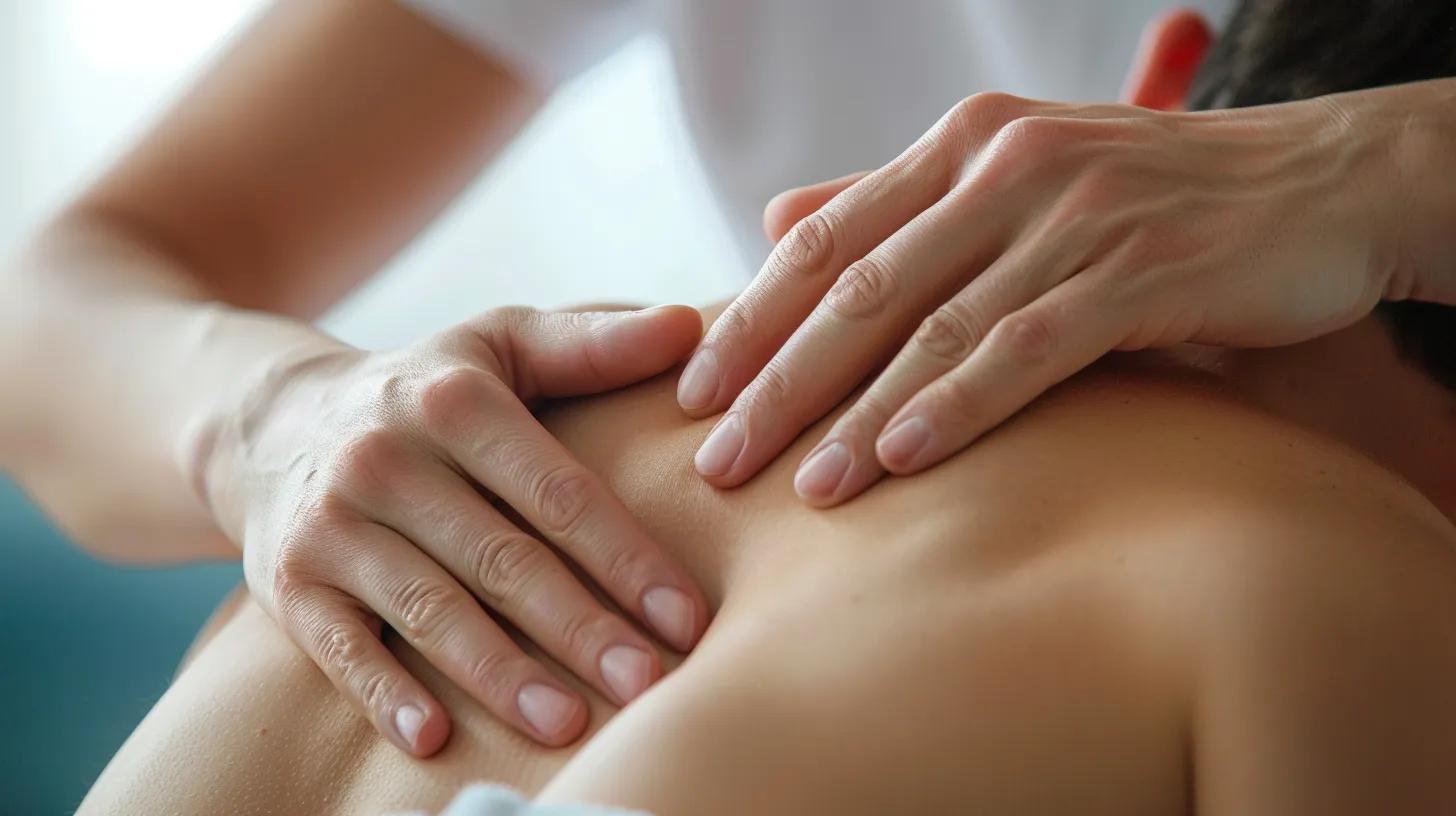
Manual Therapy & Exercise for Rotator Cuff Pain
Combining MT with exercise had significant advantages over exercise alone, as combined therapy contributed to both pain reduction (SMD=‑0.40; 95% CI: ‑0.60 to ‑0.20; P<0.001) and functional improvement (SMD=0.39; 95% CI: 0.19 to 0.59; P<0.001).
Efficacy of manual therapy on shoulder pain and function in patients with rotator cuff injury: A systematic review and meta‑analysis, 2024
| Technique | Primary Mechanism | Expected Benefit |
|---|---|---|
| Deep Tissue / NMT | Breaks down adhesions and reduces deep muscle hypertonicity | Less chronic pain and improved functional strength |
| Myofascial Release | Releases fascial restrictions and restores tissue glide | Greater range of motion and reduced stiffness |
| Lymphatic/Swedish Massage | Enhances circulation and supports lymphatic drainage | Reduced swelling and a better healing environment for tissues |
Manual Therapy Improves Shoulder Pain & Function
Subjects in both groups experienced significant decreases in pain and increases in shoulder function, but the manual therapy group showed significantly greater improvement than the exercise group.
Comparison of conservative treatment with and without manual physical therapy for patients with shoulder impingement syndrome: a prospective, randomized clinical …, G Senbursa, 2007
What Are the Benefits of Massage for Shoulder Injury Recovery?
Scar Tissue Massage for Mobility & Pain Relief
Scar tissue massage is a form of rehabilitation that uses pulling and stretching to remodel scar tissue. Scar massage helps regain mobility and strength in damaged tissue, reduces pain, and improves the aesthetic appearance of the scar.
Effectiveness of various methods of manual scar therapy, 2023
Which Massage Techniques Are Best for Rotator Cuff Pain Relief?
Which Specialized Massage Therapies Does Peaceful Warriors Wellness Center Offer?
| Technique | Typical Session Length | Primary Purpose / Target |
|---|---|---|
| Deep Tissue | 60 or 90 minutes | Reduce chronic muscle tension and break adhesions |
| Myofascial Release | 60 or 90 minutes | Improve fascial glide and shoulder mobility |
| Neuromuscular Therapy (NMT) | 60 or 90 minutes | Address trigger points and neuromuscular imbalance |
| Range of Motion / Stretching | Integrated within the session | Restore functional ROM and support rehabilitation |
| Hot Stones / Hot Towels | Add-on within session | Provide thermal relaxation to increase tissue pliability |
| Essential Oils | Integrated for relaxation | Support comfort and gentle pain relief during treatment |
How Does Deep Tissue Massage Aid Shoulder Rehabilitation?
What Role Does Myofascial Release Play in Improving Shoulder Mobility?
Why Choose Peaceful Warriors Wellness Center for Rotator Cuff Massage in St. Petersburg?
- Personalized assessment and treatment plans connected to clear functional goals.
- Sessions long enough (60 or 90 minutes) to combine assessment, treatment, and active rehab integration.
- Use of multiple therapeutic modalities selected to address pain, mobility, and tissue quality.
Who Are the Expert Therapists Specializing in Shoulder Recovery?
What Can Clients Expect During Their Therapeutic Massage Sessions?
What Are Common Questions About Rotator Cuff Injury Massage?
What Is the Best Massage for Rotator Cuff Injury?
Can Massage Worsen a Rotator Cuff Tear?
- When to seek medical referral: sudden loss of function, signs of infection, or new/worsening neurological symptoms warrant prompt medical review.
- How therapists reduce risk: thorough assessment, conservative technique selection, and gradual progression based on response.
- Safe progression: start with pain‑relief and circulation techniques, and advance to deeper work only after inflammation subsides.
- Common at‑home actions after massage: perform prescribed ROM drills, use ice if recommended, and avoid activities that provoke symptoms.
- Typical follow‑up: a short, focused course of treatment combined with progressive strengthening and activity modification for best results.
- Red flags to stop treatment: sharp increasing pain, new numbness, or new/worsening weakness—seek medical care promptly.
- Key takeaways for patients considering massage: choose therapists who assess movement, use a staged progression, and provide clear home exercises to reinforce gains from the session.
- How to prepare for a session: bring a list of painful movements and any recent imaging, and be ready to discuss activities that might contribute to symptoms.
- Outcome goals: reduced pain, better sleep, and overhead ability, and a return to functional tasks through combined manual therapy and active rehabilitation.
Frequently Asked Questions
What should I expect during my first massage session for a rotator cuff injury?
How often should I receive massage therapy for rotator cuff recovery?
Are there any risks associated with massage therapy for rotator cuff injuries?
Can I perform self-massage techniques at home for my rotator cuff injury?
How long does it typically take to see improvement from massage therapy?
What additional therapies can complement massage for rotator cuff recovery?
Conclusion

Lena Roberts brings over 25 years of hospital-industry experience to her holistic practice as owner and lead therapist at Peaceful Warriors Wellness Center. Blending neuromuscular therapy, myofascial release, reflexology, and hot-stone massage, she delivers personalized treatments that uplift body, mind, and spirit.