Table of Contents

Revitalize Your Shoulder: Expert Massage for Rotator Cuff Recovery

Restore Mobility with Rotator Cuff Massage in St. Petersburg

Rotator Cuff Injury Massage St. Petersburg: Gentle, Effective Shoulder Recovery and Pain Relief

Rotator cuff injuries affect the group of tendons and muscles that stabilize your shoulder. Therapeutic massage can speed recovery by improving local circulation, easing muscle tightness, and helping remodel scar tissue so tendon gliding and motion return. This article outlines how massage fits into non‑surgical shoulder rehab, explains the biological mechanisms behind pain relief and mobility gains, and links those mechanisms to practical massage approaches commonly used in St. Petersburg. You’ll learn to spot typical rotator cuff symptoms, see which massage techniques help at different stages of healing, and understand how focused therapy works alongside home exercises and activity changes. Near the end, we briefly introduce specialized services available at Peaceful Warriors Wellness Center so you can decide what feels right for your care.

What Are Rotator Cuff Injuries and Who Is at Risk?

A rotator cuff injury covers inflammation, tendon degeneration, impingement, or tearing of the four muscles and their tendons that wrap the shoulder—mainly the supraspinatus, infraspinatus, subscapularis, and teres minor. These problems reduce shoulder stability and make overhead activity painful or weak. Knowing the type of injury matters for conservative care: tendinitis and impingement often respond to activity modification and manual therapy, whereas partial- or full‑thickness tears require careful triage and medical collaboration. Noticing symptoms early helps speed recovery and lowers the chance of long‑term loss of function. Persistent pain, trouble sleeping due to shoulder pain, and marked weakness with overhead tasks are common red flags that warrant assessment.

Common symptoms of rotator cuff problems include:

  • Shoulder pain with overhead reaching or lifting that gets worse with activity.
  • Weakness or difficulty with tasks requiring arm lifting.
  • Night pain or more discomfort when lying on the affected side.

These signs often prompt clinical evaluation and, when needed, imaging if conservative measures fail. Early therapeutic care can reduce progression to chronic weakness. People at higher risk include older adults with age‑related tendon changes, athletes in repetitive overhead sports, and workers who frequently reach overhead or lift heavy objects—each group benefits from targeted prevention and rehab strategies.

What Is a Rotator Cuff Injury and Its Common Types?

The rotator cuff is formed by four muscles whose tendons surround the humeral head. Injuries can present as tendinitis (inflammatory changes), impingement (mechanical pinching beneath the acromion), bursitis (involving the subacromial bursa), or as partial or full‑thickness tendon tears. Tendinitis and bursitis usually cause pain and swelling from overuse, impingement causes pain with elevation when tissues are pinched, partial tears affect some tendon fibers but may spare strength, and full‑thickness tears often produce weakness and loss of function. Identifying which pattern is present helps guide conservative choices—manual therapy and graded loading for tendinopathy, and more cautious progression or medical referral when tears impair function.

Who Is Most Likely to Experience Rotator Cuff Pain?

Rotator cuff problems are common in people over 40 because tendons lose elasticity with age, and in athletes—swimmers, pitchers, volleyball players—who repeatedly load the shoulder overhead. Workers with repetitive overhead tasks or heavy lifting are also at higher risk. These groups share increased mechanical loading and microtrauma that can progress to symptomatic tendinopathy. Preventive steps such as balancing shoulder strength, strengthening the posterior cuff, and managing workload can lower the chance of injury. Early intervention using targeted exercise and supportive manual care reduces the risk of chronic symptoms.

How Does Therapeutic Massage Support Rotator Cuff Healing?
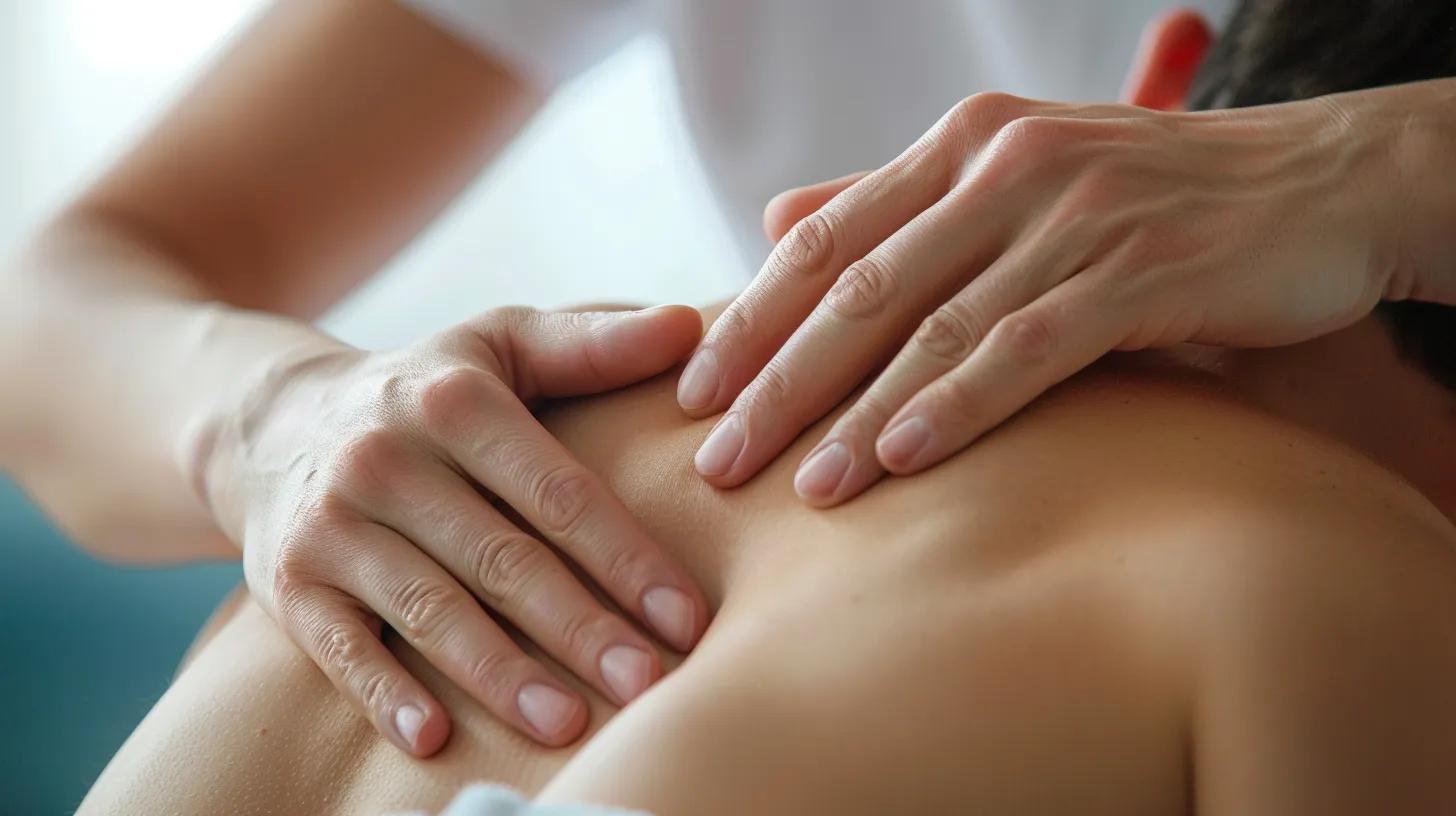
Therapeutic massage helps rotator cuff recovery through four main physiological effects: increasing local blood flow, easing muscle hypertonicity and trigger points, promoting lymphatic drainage to reduce swelling, and mobilizing scar tissue so tendons glide more freely. Those mechanisms translate into meaningful improvements—less pain, better overhead reach, easier sleep, and a quicker return to daily activities or sport—especially when massage is combined with progressive exercise and load management. Current clinical guidance supports multimodal conservative care; manual therapy prepares tissues for exercise and lowers barriers to active rehab. Below, we summarize common techniques, the mechanisms they target, and what benefits patients can expect.

Further research supports the value of combining manual therapy with exercise for rotator cuff conditions.

Manual Therapy & Exercise for Rotator Cuff Pain

Combining MT with exercise had significant advantages over exercise alone, as combined therapy contributed to both pain reduction (SMD=‑0.40; 95% CI: ‑0.60 to ‑0.20; P<0.001) and functional improvement (SMD=0.39; 95% CI: 0.19 to 0.59; P<0.001).

Efficacy of manual therapy on shoulder pain and function in patients with rotator cuff injury: A systematic review and meta‑analysis, 2024

The following table compares common therapeutic approaches by their main mechanism and expected benefit:

Different manual techniques target distinct physiological mechanisms to support shoulder recovery.

TechniquePrimary MechanismExpected Benefit
Deep Tissue / NMTBreaks down adhesions and reduces deep muscle hypertonicityLess chronic pain and improved functional strength
Myofascial ReleaseReleases fascial restrictions and restores tissue glideGreater range of motion and reduced stiffness
Lymphatic/Swedish MassageEnhances circulation and supports lymphatic drainageReduced swelling and a better healing environment for tissues

Massage is most effective when it’s part of a broader plan that includes strengthening and movement retraining. By lowering pain and improving mobility, manual therapy helps you engage more fully in active rehab. The next section links common patient benefits to evidence‑informed practice and sensible treatment sequencing.

Indeed, clinical studies have shown that adding manual therapy can improve shoulder pain and function beyond what exercise alone can.

Manual Therapy Improves Shoulder Pain & Function

Subjects in both groups experienced significant decreases in pain and increases in shoulder function, but the manual therapy group showed significantly greater improvement than the exercise group.

Comparison of conservative treatment with and without manual physical therapy for patients with shoulder impingement syndrome: a prospective, randomized clinical …, G Senbursa, 2007

What Are the Benefits of Massage for Shoulder Injury Recovery?

Massage delivers several patient‑centered outcomes: it reduces pain by relaxing tight muscles and trigger points, boosts circulation to support tissue repair, and improves range of motion, making strengthening and functional retraining more effective. Pain often eases quickly as nociceptive input drops and muscle length normalizes, allowing safer progression to active loading without harmful compensation. Better circulation and lymphatic flow help clear inflammatory byproducts and bring nutrients needed for healing, while targeted scar‑tissue work reduces adhesions that limit tendon glide. Together, these effects create a more favorable environment for steady rehabilitation and a safer return to activity.

Targeted scar massage is supported by research for its role in regaining mobility and reducing pain.

Scar Tissue Massage for Mobility & Pain Relief

Scar tissue massage is a form of rehabilitation that uses pulling and stretching to remodel scar tissue. Scar massage helps regain mobility and strength in damaged tissue, reduces pain, and improves the aesthetic appearance of the scar.

Effectiveness of various methods of manual scar therapy, 2023

Which Massage Techniques Are Best for Rotator Cuff Pain Relief?

Technique choice depends on the stage of injury and the primary driver of symptoms. In acute inflammatory phases, gentle lymphatic or Swedish‑style work and pain‑relief approaches are safest. In the subacute and chronic stages, myofascial release, neuromuscular therapy, and deep-tissue techniques address persistent tightness and fascial restrictions. Sports massage methods can help athletes prepare their tissues for activity, while careful trigger‑point work can resolve referral pain patterns. Contraindications include uncontrolled inflammation, suspected unstable full‑thickness tears without medical clearance, or recent surgical repairs—these call for medical evaluation first. Skilled therapists assess tissue quality, movement impairment, and pain behavior to blend techniques safely and progress treatment for each person.

Which Specialized Massage Therapies Does Peaceful Warriors Wellness Center Offer?

Peaceful Warriors Wellness Center provides a range of therapeutic techniques that align with the mechanisms above, delivered in focused 60‑ or 90‑minute sessions to promote pain relief, restore mobility, and support functional return. Our services include Neuromuscular Therapy, Myofascial Release, Deep Tissue work, guided Range of Motion and stretching, Hot Stones and hot towels for thermal facilitation, and optional essential oil‑assisted relaxation. Therapists select and combine these modalities based on assessment findings and your goals, balancing depth with comfort to promote healing while preparing you for rehabilitative exercise.

Quick reference for techniques offered and their clinical targets.

TechniqueTypical Session LengthPrimary Purpose / Target
Deep Tissue60 or 90 minutesReduce chronic muscle tension and break adhesions
Myofascial Release60 or 90 minutesImprove fascial glide and shoulder mobility
Neuromuscular Therapy (NMT)60 or 90 minutesAddress trigger points and neuromuscular imbalance
Range of Motion / StretchingIntegrated within the sessionRestore functional ROM and support rehabilitation
Hot Stones / Hot TowelsAdd-on within sessionProvide thermal relaxation to increase tissue pliability
Essential OilsIntegrated for relaxationSupport comfort and gentle pain relief during treatment

Therapists typically sequence sessions to maximize benefit: begin with light circulation and thermal prep, move into deeper, targeted techniques such as NMT or myofascial release to address specific restrictions, and finish with guided range‑of‑motion work and home‑care recommendations. This integrative flow supports circulation, eases tension, and encourages scar remodeling while keeping you comfortable and safe.

How Does Deep Tissue Massage Aid Shoulder Rehabilitation?

Deep tissue massage targets deeper muscles and dense connective tissue to reduce chronic tension, remodel adhesions, and improve local blood flow—actions that restore tendon glide and help shoulder stabilizers work more effectively. For rotator cuff issues, deep work is usually best in the subacute or chronic phases after acute inflammation has subsided. Therapists use sustained, specific pressure on areas of restriction to remodel scar tissue and reduce guarding, pacing the work by your feedback to avoid provoking protective spasm. Paired with ROM and strengthening prep, well‑timed deep-tissue techniques support long‑term stiffness reduction and improved load tolerance.

What Role Does Myofascial Release Play in Improving Shoulder Mobility?

Myofascial release addresses fascial tightness that can limit tendon glide and joint motion by applying sustained, low‑load pressure to restore fascial elasticity and free movement. Fascial restrictions sometimes cause global stiffness even when individual muscles appear normal; releasing these areas often produces quick gains in passive and active range of motion and reduces pain during overhead tasks. Clinicians combine myofascial work with active stretching and ROM drills to reinforce new tissue length through movement, improving carryover into daily tasks. When paired with strengthening and neuromuscular retraining, fascial release speeds recovery and helps prevent re‑tightening.

Why Choose Peaceful Warriors Wellness Center for Rotator Cuff Massage in St. Petersburg?
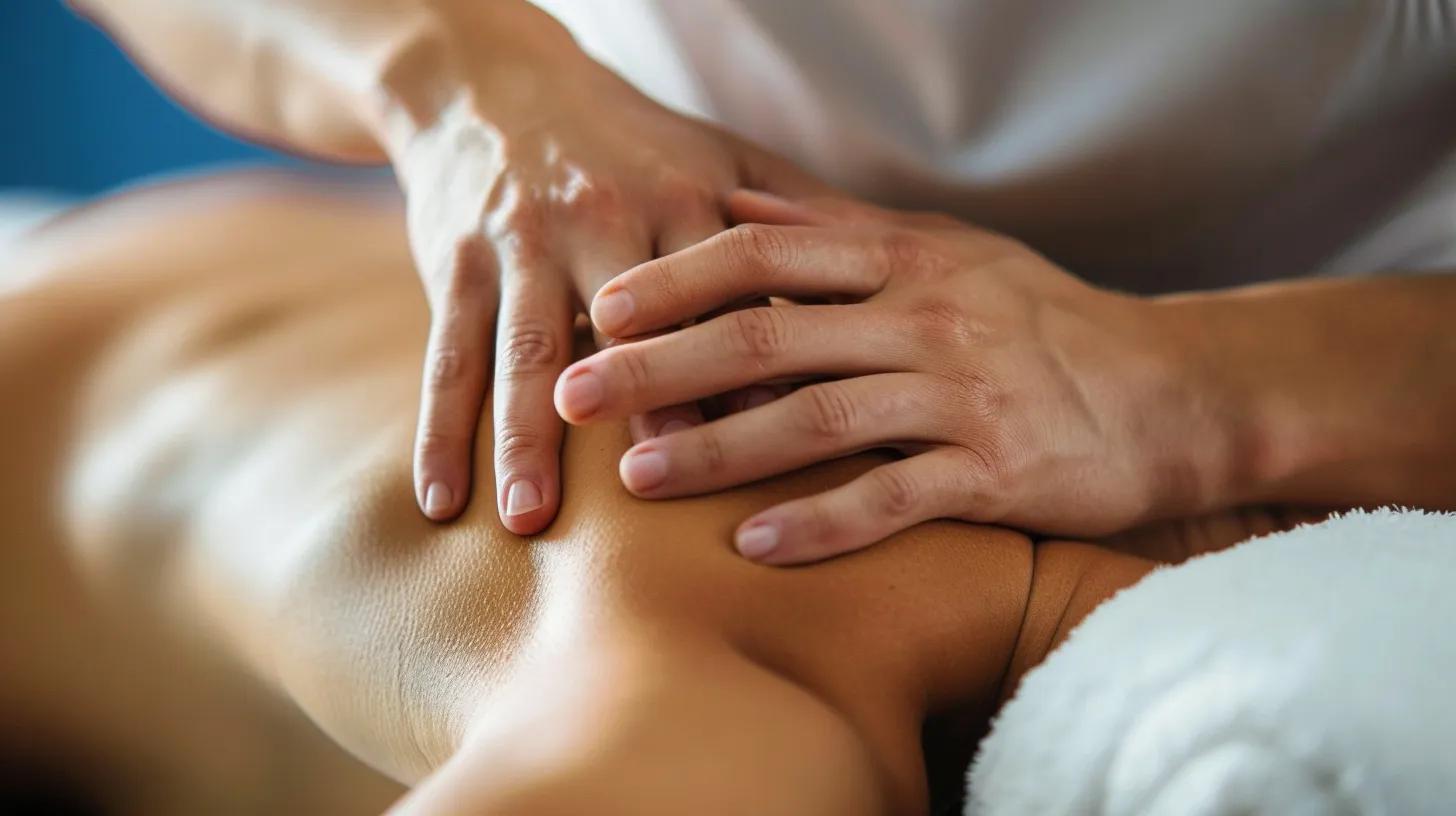
Peaceful Warriors Wellness Center delivers focused, assessment‑driven therapeutic massage in St. Petersburg with session lengths that allow thorough work and clear rehabilitation goals. Our therapists complete a movement and tissue assessment to identify primary pain drivers—muscle overactivity, fascial restrictions, or joint limits—and tailor 60‑ or 90‑minute sessions that blend release techniques, neuromuscular balancing, and ROM integration. We prioritize continuity of care: therapists recommend home exercises and follow‑up plans aimed at restoring function, not just masking symptoms. These practical features help patients seeking non‑surgical rotator cuff care find consistent, goal‑oriented manual therapy locally.

The following brief points describe what local patients can expect when choosing the center:

  • Personalized assessment and treatment plans connected to clear functional goals.
  • Sessions long enough (60 or 90 minutes) to combine assessment, treatment, and active rehab integration.
  • Use of multiple therapeutic modalities selected to address pain, mobility, and tissue quality.

Who Are the Expert Therapists Specializing in Shoulder Recovery?

Peaceful Warriors Wellness Center lists experienced, licensed massage therapists specializing in therapeutic and rehabilitative care. Two practitioners include Lena Roberts, LMT, and Katherine White, LMT—each skilled in neuromuscular therapy, myofascial release, and movement‑based strategies for sports injuries and chronic shoulder pain. These therapists build individualized care plans informed by assessment, and they provide practical home recommendations to reinforce in‑session gains. Naming therapists helps clients know who may guide their recovery while keeping attention on measurable outcomes.

What Can Clients Expect During Their Therapeutic Massage Sessions?

A typical session begins with a focused assessment of posture, shoulder range of motion, and tissue quality. Therapists then deliver a tailored blend of manual techniques to reduce pain and improve mobility, finishing with guided exercises and self‑care suggestions. A 60‑minute appointment usually includes intake, targeted treatment, and concise home‑care guidance; a 90‑minute session allows for deeper work, additional modalities such as hot towels or stones, and more movement retraining. Therapists explain what they’re doing, adjust pressure based on your feedback, and give clear next‑step recommendations about frequency and progression so you can track functional improvements over time.

What Are Common Questions About Rotator Cuff Injury Massage?

This section answers frequent patient questions in clear, practical language to help decision‑making. The responses emphasize safety, matching technique to healing stage, and when to seek medical review—giving concise guidance for people considering massage as part of rotator cuff care. Below are focused answers to two of the most common questions patients ask before starting manual therapy.

What Is the Best Massage for Rotator Cuff Injury?

The best massage is one matched to your stage of healing and the primary problem. In the acute phase, gentle circulation and lymphatic work help control pain. As inflammation settles, progress to myofascial release, neuromuscular therapy, and deeper techniques to address persistent tightness and restrictions. All of this should be paired with guided ROM and strengthening. Therapists adjust intensity to avoid aggravating tendon inflammation. If pain is sudden, strength drops quickly, or symptoms follow a significant injury, medical evaluation or imaging should come before aggressive manual therapy.

Can Massage Worsen a Rotator Cuff Tear?

When provided by a trained therapist who assesses and adapts the approach, massage typically does not worsen a rotator cuff tear. That said, aggressive deep work during acute inflammation or on an unstable full‑thickness tear can increase pain and delay healing. Therapists watch for red flags—severe night pain, progressive weakness, loss of active elevation—and refer to medical providers when needed, using conservative measures only when it’s safe to do so.

  • When to seek medical referral: sudden loss of function, signs of infection, or new/worsening neurological symptoms warrant prompt medical review.
  • How therapists reduce risk: thorough assessment, conservative technique selection, and gradual progression based on response.
  • Safe progression: start with pain‑relief and circulation techniques, and advance to deeper work only after inflammation subsides.

These steps help patients and therapists work together safely to maximize recovery while minimizing risk.

  • Common at‑home actions after massage: perform prescribed ROM drills, use ice if recommended, and avoid activities that provoke symptoms.
  • Typical follow‑up: a short, focused course of treatment combined with progressive strengthening and activity modification for best results.
  • Red flags to stop treatment: sharp increasing pain, new numbness, or new/worsening weakness—seek medical care promptly.

The guidance above clarifies how to integrate massage into a safe, effective rehabilitation plan.

  • Key takeaways for patients considering massage: choose therapists who assess movement, use a staged progression, and provide clear home exercises to reinforce gains from the session.
  • How to prepare for a session: bring a list of painful movements and any recent imaging, and be ready to discuss activities that might contribute to symptoms.
  • Outcome goals: reduced pain, better sleep, and overhead ability, and a return to functional tasks through combined manual therapy and active rehabilitation.

These practical points help you turn information into action when choosing care.

Frequently Asked Questions

What should I expect during my first massage session for a rotator cuff injury?

At your first session, the therapist will assess your shoulder posture, range of motion, and tissue quality to identify potential sources of pain. Treatment typically starts with gentle techniques to improve circulation and reduce tension, then moves into targeted work to address restrictions. You’ll also receive simple home exercises to support recovery and guidance on what to expect next.

How often should I receive massage therapy for rotator cuff recovery?

Frequency depends on injury severity and how you respond. Many people start with one session per week, or up to twice per week, during the initial recovery phase to control pain and restore mobility. As you improve, sessions usually taper to biweekly or monthly for maintenance. Your therapist will recommend a schedule tailored to your progress and goals.

Are there any risks associated with massage therapy for rotator cuff injuries?

Massage is generally safe and helpful, but there are risks if the work is overly aggressive during acute inflammation or in the presence of significant tears. Working with a qualified therapist who performs a thorough assessment and adjusts techniques reduces those risks. Always tell the therapist about any increase in pain during a session, and follow their guidance regarding a medical review if symptoms worsen.

Can I perform self-massage techniques at home for my rotator cuff injury?

Yes—gentle self‑massage can help manage muscle tightness and improve circulation. Tools like a massage ball or foam roller, used carefully on the shoulder and upper back, can be effective. Avoid aggressive pressure on inflamed areas. Ask your therapist for stage‑appropriate self‑care techniques so you don’t aggravate the injury.

How long does it typically take to see improvement from massage therapy?

Response varies by injury severity and treatment consistency. Many people notice pain relief and better mobility within a few sessions—often 2 to 4 weeks—while full recovery can take longer for chronic or severe tendon damage. Regular follow‑up lets your therapist track progress and adapt the plan for optimal results.

What additional therapies can complement massage for rotator cuff recovery?

Physical therapy with a structured strengthening and mobility program is a cornerstone of recovery. Other helpful modalities include acupuncture, therapeutic ultrasound, and electrical stimulation in selected cases. The most important element is a consistent, progressive exercise plan focused on shoulder stability and flexibility. Discuss options with your therapist to determine what complements your specific care plan.

Conclusion

Therapeutic massage is a useful part of rotator cuff recovery: it improves circulation, eases muscle tension, and supports scar remodeling so motion and function return more smoothly. When tailored to your stage of healing and combined with guided exercise, massage can provide meaningful pain relief and improved overhead function. Peaceful Warriors Wellness Center offers assessment‑driven care from experienced therapists who focus on functional goals and evidence‑informed approaches. Schedule a session today to start a thoughtful, effective path toward shoulder recovery.