Discover Cupping Therapy Benefits for Detox & Relief
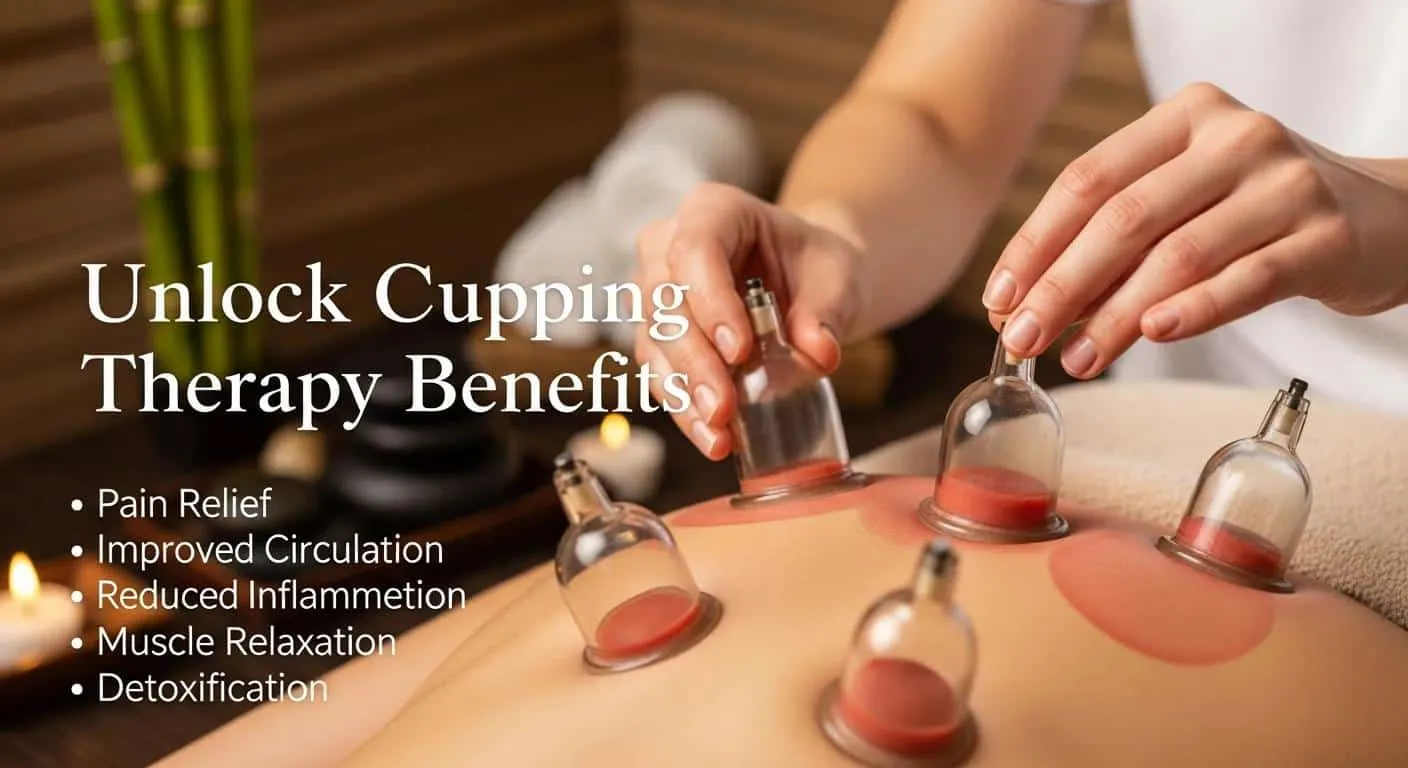
Unlock Cupping Therapy Benefits
Cupping therapy is a therapeutic bodywork technique that uses localized suction to lift soft tissue, increase microcirculation, and promote pain relief, lymphatic drainage, and deep relaxation. This article explains how cupping works, summarizes its historical roots across cultures, and translates the physiology into practical benefits for conditions such as back pain, athletic soreness, inflammation, and stress-related tension. Readers will learn the mechanisms behind suction-based therapies, which conditions respond best, how cupping supports lymphatic flow and detoxification, and what to expect before, during, and after a treatment. Sections cover the types of cupping—dry, wet, and Medicupping—how clinicians integrate cupping with therapeutic massage and myofascial release, plus practical preparation and aftercare guidance. Throughout, the content highlights current research perspectives and clinical reasoning, enabling you to evaluate cupping therapy for pain relief, muscle recovery, and stress reduction in a balanced, evidence-based way.
What Is Cupping Therapy? Exploring Ancient Healing Techniques
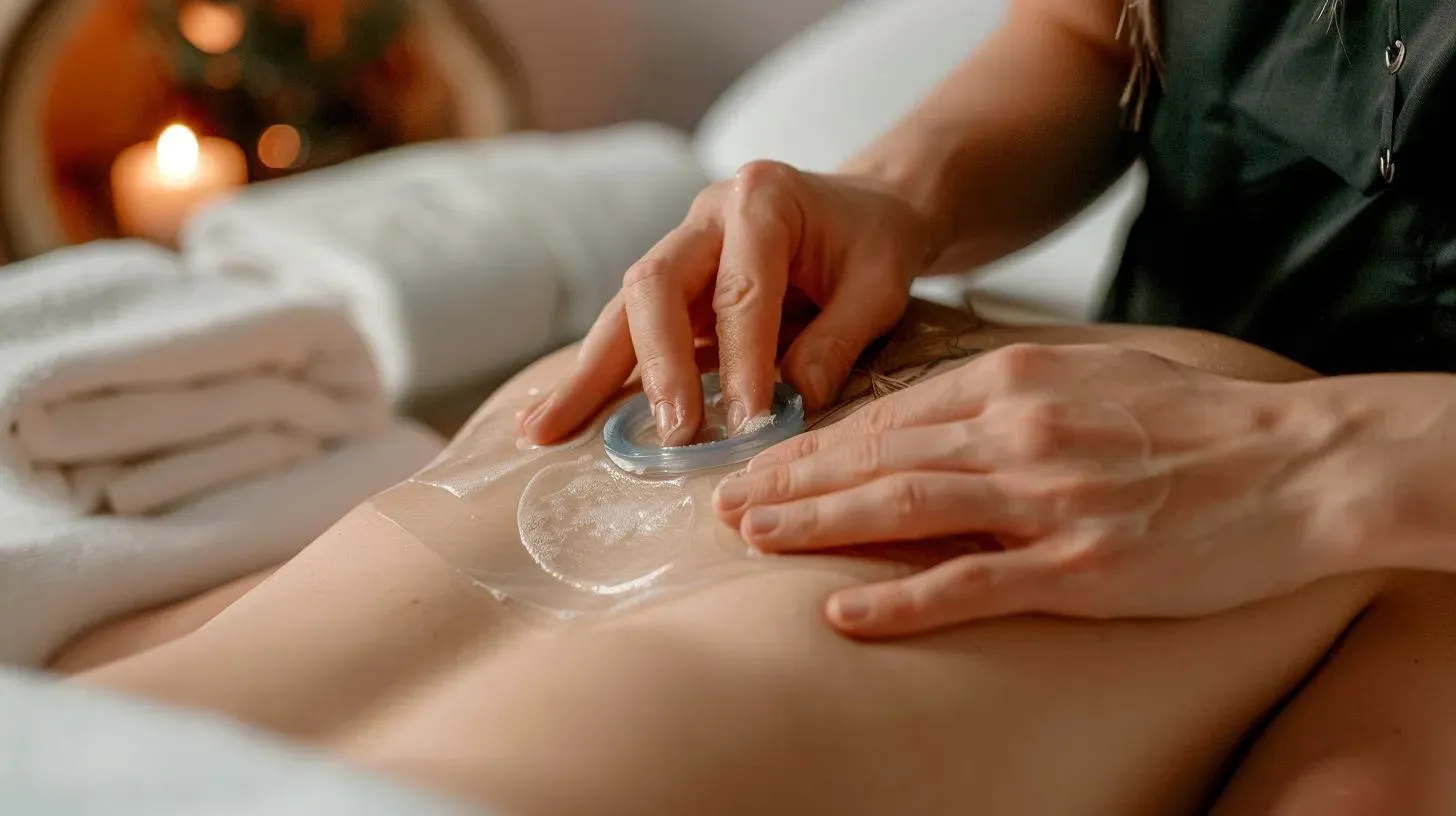
Cupping therapy is a traditional therapeutic bodywork technique that creates suction on the skin using cups, producing localized hyperemia and mechanical tension in fascia and superficial tissues. The suction increases blood flow, stimulates microcirculation, and encourages lymph movement, which together can reduce localized pain and promote tissue recovery. Modern practice draws from multiple cultural lineages—Traditional Chinese Medicine, Middle Eastern hijama, and historical Egyptian records—while using contemporary vacuum devices or silicone cups for controlled application. Recent research frames cupping as a modulatory intervention that influences nociceptive input, autonomic tone, and soft-tissue mechanics rather than a single cure-all, supporting its measured clinical use.
This blend of historical practice and contemporary application is further supported by research aimed at classifying and standardizing cupping therapy for modern understanding.
Cupping Therapy: Ancient Roots & Modern Classification
Cupping therapy is one of the oldest healing methods and was practiced by ancient Chinese, Egyptians, and Greeks. There are many types of cupping therapy, and recently, practitioners and researchers have added more to the practice. This research aimed to classify cupping kinds to support the modernization and standardization of cupping therapy. This proposed classification of cupping therapy will guide researchers in staying organized, help them differentiate and compare various types, expand their knowledge of cupping, and clarify future research terminology and methods. The proposed classification of cupping into six main categories will also help the field of cupping therapy iI provideuniform training of concerned therapists.
Classification of cupping therapy: a tool for modernization and standardization, TS Aboushanab, 2016
Cupping’s primary mechanisms and benefits can be summarized:
- Increased local blood flow that supports tissue healing and nutrient delivery.
- Mechanical lift of fascia and soft tissue that can release adhesions and improve range of motion.
- Stimulation of lymphatic drainage and transient reduction in tissue congestion.
These core mechanisms help explain why cupping is applied for pain relief, muscle recovery, and as an adjunct to stress-reduction strategies, which the following sections explore with clinical context and evidence-aware interpretation.
How Did Ancient Cupping Practices Develop Across Cultures?
Cupping developed in parallel across diverse medical systems, with documented use in Traditional Chinese Medicine, classical Egyptian medicine, and Middle Eastern hijama traditions. Each tradition used cupping to address stagnation, pain, and systemic imbalances; methods ranged from heated glass cups to controlled scarification in wet cupping variants. Over centuries, practitioners refined site selection—typically back, neck, shoulders, and limbs—and procedural safety, which modern clinicians adapt for sterile practice and patient comfort. Understanding these cultural roots clarifies contemporary terminology and the rationale behind different techniques, helping clinicians choose appropriate cupping types for specific therapeutic goals.
Tracing the lineage of cupping also reveals how the technique evolved into clinical tools used today, such as vacuum pumps and silicone cups that replicate ancient suction effects with greater safety and precision. This continuity from historical practice to modern clinical application grounds cupping in a long therapeutic tradition while emphasizing improved hygiene and evidence-based deployment.
What Is the Science Behind Cupping’s Suction and Blood Flow Effects?
The suction created by cups produces localized negative pressure, increasing capillary perfusion, generating microvascular hyperemia, and mechanically deforming fascia and connective tissue. This process can interrupt pain signaling by stimulating mechanoreceptors and altering nociceptive input to the central nervous system, while increased perfusion supports metabolic clearance in overloaded tissues. Cupping may also support lymphatic flow by creating intermittent pressure gradients that favor the movement of interstitial fluid toward lymphatic channels, reducing local edema and stagnation.
Recent studies indicate modest benefits for specific pain conditions, but the evidence varies by condition and methodology; therefore, clinicians frame cupping as a complementary therapeutic option with plausible biological mechanisms rather than a universally proven modality. The following section applies these mechanisms to clinical scenarios where cupping often produces meaningful symptom relief.
How Does Cupping Therapy Provide Pain Relief and Muscle Recovery?

Cupping provides pain relief and aids muscle recovery by increasing local circulation, mechanically unloading adhesions, and modulating pain pathways. Suction stimulates blood flow, bringing oxygen and nutrients, while enhancing clearance of metabolic byproducts; simultaneously, the stretch on fascia and superficial tissues can reduce tension and improve mobility. These mechanical and neurophysiological effects work together to lower perceived pain intensity and accelerate recovery after soft-tissue overload or injury.
Common conditions that often respond to cupping include musculoskeletal back and neck pain, tension-type headaches, and localized myofascial trigger points. Many practitioners integrate cupping with therapeutic massage and targeted exercises to extend gains from a single session into sustained functional improvement.
Different conditions benefit from cupping through distinct mechanisms:
- Low back pain: Suction increases segmental circulation and reduces paraspinal muscle tension, improving mobility.
- Tension-type headache: Cervical cupping can release trigger points and reduce referred pain patterns.
- Plantar fasciitis and tendonitis: Local suction combined with eccentric loading may reduce pain and speed recovery.
These condition-specific outcomes support the use of cupping as part of a multimodal plan that includes movement therapy and manual techniques to maintain benefits beyond the treatment room.
Intro to the following table: The table below maps standard musculoskeletal conditions to the primary mechanism cupping uses and typical clinical outcomes clinicians and clients can reasonably expect.
This mapping underscores that cupping is most effective when targeted to specific tissue dysfunction and combined with rehabilitative actions; the following subsection discusses athletic recovery and myofascial release in greater detail.
Which Conditions Benefit from Cupping for Pain and Muscle Relief?
Several chronic and acute musculoskeletal conditions show consistent practitioner-level benefit from cupping, including chronic low back pain, neck and shoulder tension, and localized myofascial pain syndromes. For chronic pain, cupping can be part of a multimodal plan that addresses both symptomatic relief and functional restoration, especially when combined with exercise, postural correction, and soft-tissue techniques. Clinicians will typically monitor response over 2–6 sessions and adjust approach—switching cup placement, suction intensity, or adding Medicupping—based on individual tolerance and outcomes.
Referral is indicated when red flags or progressive neurological deficits appear; cupping complements but does not replace diagnostic workups or specialist care. Understanding when to combine cupping with other interventions helps clinicians maximize short-term symptom relief while pursuing durable functional improvement.
How Does Cupping Support Athletic Recovery and Myofascial Release?
Athletes and active individuals often use cupping post-exertion to reduce delayed-onset muscle soreness (DOMS), accelerate subjective recovery, and improve soft-tissue mobility. Suction supports metabolic clearance by increasing local perfusion, while the mechanical lift and glide can break fascial adhesions that restrict the range of motion. Protocols vary, but a typical sequence is light cupping immediately after intense training, followed by targeted stretching and soft-tissue work to consolidate gains.
A practical example: a runner with tight calf fascia receives short-duration silicone cupping followed by eccentric loading and mobility drills, which together reduce soreness and restore stride mechanics faster than passive rest alone. Integrating cupping into an athlete’s recovery regimen enhances tissue readiness for subsequent training sessions and complements manual therapy delivered by experienced therapists.
In What Ways Does Cupping Facilitate Detoxification and Lymphatic Drainage?

Cupping facilitates local lymphatic drainage and interstitial fluid movement by creating cyclical pressure gradients that encourage fluid flow from congested tissues into lymphatic channels. The suction temporarily increases interstitial pressure and microcirculatory exchange, which can accelerate clearance of local metabolites and reduce minor swelling. It is essential to clarify the clinical meaning of “detox”: cupping supports local clearance pathways and symptomatic relief but is not a systemic detox cure; hydration, diet, and exercise remain central to whole-body metabolic health.
Practically, cupping is most beneficial for localized congestion—such as post-injury swelling or regional sluggishness—rather than systemic toxin elimination. Combining cupping with manual lymphatic techniques and movement enhances outcomes because each modality reinforces directional lymph flow and encourages sustained vascular function. The following subsections break down the physiological pathways and the practical implications of combining therapies.
Cupping assists lymph movement through these specific actions:
- Creating negative pressure that promotes fluid movement toward lymphatic vessels.
- Increasing tissue perfusion to support metabolic exchange and waste clearance.
- Complementing manual lymphatic drainage by loosening superficial tissue restrictions that impede lymph flow.
How Does Cupping Enhance the Body’s Natural Detox Processes?
Cupping enhances local detoxification primarily by improving microcirculation and supporting lymphatic uptake of interstitial fluid, thereby accelerating the removal of localized metabolic waste. The suction effect increases capillary perfusion, facilitating nutrient delivery and the removal of waste products from the interstitium. For meaningful systemic effects, these sessions are paired with hydration, gentle movement, and supportive lifestyle measures that facilitate the processing and elimination of cleared metabolites by the kidneys and liver.
Clinical expectations should remain realistic: patients typically notice reduced local tightness and transient improvements in swelling or tenderness, which indicate improved circulation rather than comprehensive systemic detoxification. When cupping is integrated with broader health measures, it serves as a targeted adjunct that supports the body’s natural clearance mechanisms.
What Role Does Lymphatic Drainage Play in Cupping Therapy Benefits?
Lymphatic drainage is central to how cupping reduces localized edema and tissue congestion; by facilitating interstitial fluid uptake, cupping complements manual lymphatic drainage techniques that direct flow toward central venous return. Cupping’s mechanical lift can free superficial adhesions that restrict lymph pathways, improving the efficacy of subsequent manual techniques and active movement. In clinical practice, therapists assess for lymphedema risk and, when indicated, modify suction intensity or sequence during manual lymphatic work.
When used appropriately, cupping augments lymphatic therapy rather than replacing it, especially for localized post-injury swelling or congestive tissue states. Coordinating cupping with certified lymphatic specialists ensures safety and optimizes outcomes for clients needing focused fluid management.
Indeed, studies have begun to unravel the specific physiological mechanisms by which cupping influences lymphatic function at a cellular level.
Cupping Therapy & Lymphatic Reconstruction
The aim of the study was to investigate the regulatory mechanism of local lymphatic reconstruction after cupping therapy in a mouse model. Materials and methods: The lymphatic reconstruction process in the mouse tail following cupping therapy, as well as the expression levels of the vascular endothelial cell marker CD34, the prospero homeobox protein 1 (PROX1), and the lymphatic vessel endothelial hyaluronan receptor 1 (LYVE-1), were investigated over 4 days using immunohistochemistry. Results: On day 1 after cupping therapy, the CD34+and LYVE-1+cell densities were significantly increased, and the formed CD34+LYVE-1+tubular structure started to express PROX1.
Reconstruction of lymphatic vessels in the mouse tail after cupping therapy, 2020
How Can Cupping Therapy Reduce Stress and Improve Mental wellbeing?
Cupping reduces stress and improves subjective wellbeing by promoting parasympathetic activation, reducing somatic tension, and creating a soothing therapeutic environment that supports relaxation. The tactile stimulation and gentle suction can lower muscle tone and interrupt chronic contraction patterns that drive pain and anxiety. At the same time, the focused treatment environment encourages breath work and mindful relaxation. Recent research suggests that interventions that reduce peripheral nociception and restore autonomic balance can lower perceived stress and improve sleep quality, making cupping a helpful adjunct in holistic stress-management plans.
Incorporating cupping into a broader wellness routine—paired with breathing exercises, restorative massage, or mindfulness—amplifies calming effects and supports long-term resilience to stress. The following subsections examine nervous system mechanisms and practical strategies for anxiety relief and ongoing maintenance.
Cupping promotes mental wellbeing through these pathways:
- Reducing sympathetic overdrive by decreasing peripheral nociceptive signals.
- Stimulating parasympathetic responses associated with improved rest and digestion.
- Providing structured relaxation time that encourages breath-based calming techniques.
What Are the Calming Effects of Cupping on the Nervous System?
Cupping’s calming effects arise from decreased peripheral nociceptive input, increased vagal tone, and reduced muscle tension, which together shift autonomic balance toward parasympathetic dominance. The sensation of suction and subsequent tissue release sends non-painful mechanoreceptor signals that can inhibit pain pathways and reduce sympathetic arousal. Clinically, sessions conducted in a low-stimulus environment with paced breathing enhance vagal activation and improve feelings of tranquility.
Research specifically investigating dry cupping’s influence on the autonomic nervous system provides further insight into these calming effects.
Dry Cupping’s Impact on the Autonomic Nervous System
This study was performed to evaluate the effect of dry cupping treatment applied to back-shu points on the autonomic nervous system. Methods: Two groups, sympathicotonia and normal, each comprising 30 volunteers, were established for this experiment. The sympathicotonia group was selected according to the questionnaire criterion for sympathicotonia, composed of 11 items. After 10 minutes of environmental adaptation, the first HRV (heart rate variability) test was conducted, followed by dry cupping therapy applied to back-shu points for 5 minutes to stimulate the sympathetic ganglia along the spine. The second HRV test was carried out just after the cupping treatment under the same condition sas the firtsttest. The third test was erepeated after 2 hours base on the first test time.
The effect of dry cupping treatment applied to Back-shu points on the autonomic nervous system through HRV, 2013
Therapists often recommend session lengths and environments that prioritize relaxation—soft lighting, slow rhythmic techniques, and combined breathwork—to maximize these nervous system benefits. This integrative approach converts a single treatment into a restorative experience that supports mental wellbeing beyond the immediate physical effects.
How Does Cupping Support Anxiety Relief and Relaxation?
Clients commonly report reduced anxiety and a sense of grounding after cupping sessions, especially when treatments are combined with breath-focused relaxation and guided cooldowns. Frequency varies by individual, but a short series of sessions—spaced weekly or biweekly—can establish a relaxation baseline that reduces chronic somatic tension linked to anxiety. Pairing cupping with consistent calming practices, such as diaphragmatic breathing or progressive muscle relaxation, helps translate in-clinic relaxation into daily stress management.
For maintenance, integrating periodic cupping into a holistic self-care plan helps sustain reduced muscle tension and improved sleep, which together contribute to lower baseline anxiety and greater daily resilience.
What Types of Cupping Therapy Are Offered at Peaceful Warriors Wellness Center?
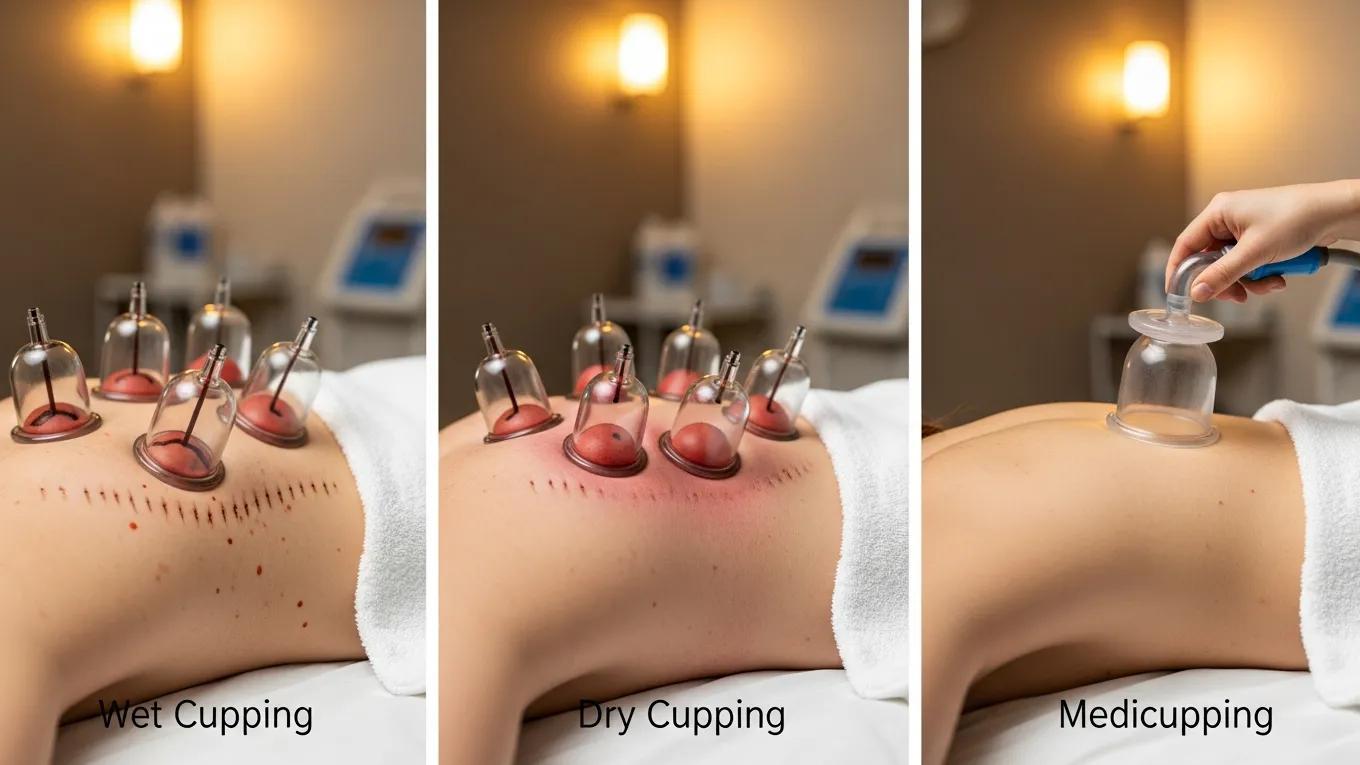
Cupping techniques fall into three principal categories—dry cupping, wet cupping (hijama), and Medicupping—and each has distinct procedural steps, typical durations, and use cases. Dry cupping uses suction alone to stimulate circulation and fascial release. In contrast, wet cupping involves superficial skin incisions followed by suction to remove small amounts of fluid in traditional hijama practice. Medicupping blends therapeutic cupping with medical-grade devices or protocols designed for targeted issues, such as cellulite management or integrated soft-tissue therapy. At Peaceful Warriors Wellness Center, therapists trained in these techniques adapt selection to client goals and safety needs.
Below is a comparative table summarizing procedure, duration, use cases, and key contraindications for each cupping type to help readers choose an appropriate approach.
Intro to table: The following comparison outlines the primary cupping modalities, typical procedures and durations, and what clients can expect in terms of results and precautions.
This comparison helps clarify how each modality aligns with clinical goals; practitioners at the center assess medical history and objectives before selecting a technique and sequencing.
At Peaceful Warriors Wellness Center, licensed therapists such as Scott Roberts (LMT) and Katherine White (Medicupping) provide personalized cupping protocols integrated with therapeutic massage to optimize outcomes.
What Are the Differences Between Dry Cupping, Wet Cupping, and Medicupping?
Dry cupping uses noninvasive suction to increase perfusion and mobilize fascia, making it suitable for most muscle and tension complaints with minimal risk. Wet cupping adds controlled superficial bloodletting in cultural or traditional contexts and is reserved for clinicians with appropriate training and client consent; it carries additional contraindications and hygiene requirements. Medicupping employs medical-grade devices and targeted protocols, often integrated with therapeutic massage to focus on tissue remodeling and chronic localized issues. Choosing among them depends on therapeutic goals, medical history, and clinician expertise.
When selecting a method, clinicians weigh efficacy, risk profile, and client preference, often starting with dry cupping and progressing to specialized Medicupping when specific outcomes call for it. This staged approach balances safety with therapeutic ambition, helping clients achieve measurable improvements without unnecessary risk.
How Is Cupping Integrated with Therapeutic Massage Services?
Cupping is commonly integrated into a session flow that pairs it with therapeutic massage for additive effects: therapists often begin with assessment and soft-tissue mobilization, apply cupping to targeted areas to enhance circulation and release fascial restrictions, and finish with manual techniques to re-pattern tissue and reinforce mobility gains. Sequencing matters—light cupping before deep tissue work can prepare tissue, while cupping after massage can consolidate changes and assist metabolic clearance. Therapists tailor session length and intensity based on tissue response and client tolerance.
This combined approach leverages cupping’s circulatory and mechanical effects with massage’s capacity to guide functional movement patterns, offering a comprehensive strategy for pain relief and recovery. Peaceful Warriors Wellness Center integrates these protocols into individualized plans delivered by trained practitioners.
What Should Clients Expect During and After a Cupping Therapy Session?
During a cupping session, clients typically experience a gentle tugging or pulling sensation as cups create suction, followed by localized warmth and loosened tissue. Sessions usually last 20–40 minutes, depending on technique and treatment goals, with visible circular marks (ecchymosis) appearing in many cases and resolving over days to two weeks. Aftercare focuses on hydration, gentle movement, and skin protection; clients are advised to avoid intense heat or vigorous exercise for 24 hours and to monitor their skin for signs of bruising or irritation. Clear communication with the therapist about medical history and expectations ensures a safe, comfortable session.
Below is a practical pre/post checklist formatted to guide clients through preparation and recovery, including what to tell your therapist and how to manage common marks. The table includes concise recommendations to support optimal outcomes.
Intro to table: Use this checklist to prepare for your appointment and manage aftercare effectively; it pairs actionable steps with clinician recommendations.
After reviewing this checklist, clients should feel prepared and informed for a safe therapy experience. Next, here are practical preparatory steps for first-time clients.
How Should You Prepare for Your First Cupping Therapy Appointment?
Preparing for your first appointment includes simple steps that improve safety and comfort: hydrate well the day of treatment, avoid heavy meals immediately beforehand, and wear clothing that exposes the area to be treated while maintaining modesty and warmth. It is crucial to disclose medical history, including medications, bleeding disorders, or recent surgeries, so that therapists can adjust technique and suction intensity. Bringing a list of current symptoms and prior treatments helps the clinician create a targeted plan that integrates cupping with other manual therapies.
Arriving slightly early for intake and discussing preferences around pressure and marks reduces anxiety and improves session quality, setting the stage for an effective therapeutic encounter and the transition to aftercare planning.
What Are Common Aftercare Practices and How to Manage Cupping Marks?
Aftercare for cupping marks focuses on gentle skin care, hydration, and monitored activity to support resolution: apply a clean, gentle moisturizer if skin is dry, avoid direct sun exposure on marks, and practice light movement or walking to encourage circulation. Marks typically fade within several days to two weeks; applying cool compresses initially can reduce discomfort while subsequent warmth and gentle massage (if recommended) support circulation. Contact your therapist if marks show signs of infection, excessive swelling, or unusual pain.
These aftercare steps help ensure comfortable recovery and sustained benefits from cupping, while therapists can provide personalized guidance if clients experience prolonged marks or have concerns about skin healing.
For local clients interested in personalized cupping sessions, Peaceful Warriors Wellness Center offers tailored treatment plans delivered by therapists, including Scott Roberts (LMT) and Katherine White (Medicupping). The center operates as a lead-generation and information hub at 2150 49th St N, Ste B, St. Petersburg, FL 33710, and scheduling is available by contacting the clinic directly for an initial assessment and individualized plan.
- Book an assessment: A brief intake guides safe technique selection and goals.
- Discuss goals and tolerances: Align cupping type with recovery and comfort preferences.
- Plan a short series: Multiple sessions often provide cumulative benefit for chronic issues.
These final actionable steps connect education to practical access while keeping clinical decision-making front and center.
Frequently Asked Questions
What should I expect during my first cupping therapy session?
During your first cupping therapy session, you can expect a gentle pulling sensation as the cups create suction on your skin. The session typically lasts 20-40 minutes, depending on the technique used and your treatment goals. You may experience localized warmth and relaxation in the treated areas. It’s common for circular marks, known as ecchymosis, to appear and last from a few days to two weeks. Clear communication with your therapist about your medical history and expectations will help make sure you have a comfortable experience.
Are there any side effects associated with cupping therapy?
While cupping therapy is generally safe, some individuals may experience mild side effects, such as temporary bruising, soreness, or skin irritation at the suction site. These marks are usually harmless and fade within a few days to two weeks. In rare cases, more serious side effects, such as burns or infections, can occur, particularly with wet cupping. It’s essential to discuss any concerns with your therapist and ensure they are trained and licensed to perform the procedure, to minimize risks.
How often should I schedule cupping therapy sessions for optimal results?
The frequency of cupping therapy sessions can vary based on individual needs and treatment goals. For chronic conditions, practitioners often recommend a series of weekly or biweekly sessions to establish a baseline of relief and improvement. For acute issues or post-exercise recovery, more frequent sessions may be beneficial. After an initial series, your therapist can help determine a maintenance schedule that suits your ongoing needs, ensuring that you continue to experience the benefits of cupping therapy.
Can cupping therapy be combined with other treatments?
Yes, cupping therapy can be effectively combined with other treatments such as therapeutic massage, physical therapy, or acupuncture. This integrative approach enhances the overall therapeutic effect by addressing multiple aspects of pain and recovery. For instance, cupping can be used to prepare the tissue before a massage or to consolidate the benefits of manual therapy afterward. Please always discuss your treatment plan with your therapist to make sure the combination of therapies matches your health goals and safety considerations.
Is cupping therapy suitable for everyone?
Cupping therapy is not suitable for everyone. Individuals with certain medical conditions, such as bleeding disorders, skin infections, or those who are pregnant, should avoid cupping. Additionally, people taking anticoagulant medications or with sensitive skin may need to exercise caution. It’s crucial to disclose your complete medical history to your therapist during the initial assessment, so they can determine whether cupping is appropriate for you and tailor the treatment to your specific needs.
How can I enhance the benefits of cupping therapy?
To enhance the benefits of cupping therapy, consider incorporating complementary practices such as hydration, gentle movement, and mindfulness techniques. Staying well-hydrated before and after your session supports lymphatic clearance and overall recovery. Engaging in light physical activity can help maintain circulation and mobility. Additionally, pairing cupping with relaxation techniques like deep breathing or meditation can amplify its stress-reducing effects, promoting a holistic approach to wellness and recovery.